Agadir and the Souss Coast: Modern Beach Vibes, Surf Spots, and Amazigh Culture
Agadir and the Souss Coast: Modern Beach Vibes, Surf Spots, and Amazigh Culture
I was sitting in a café in Taghazout last November, watching the Atlantic roll in, when a conversation at the next table caught my ear. It was a group of Moroccan surfers in their twenties, switching smoothly between Tachelhit (the regional Amazigh language), Darija, and English. They were discussing the swell direction, a new local music festival, and a tech startup one of them was launching in Agadir.
That conversation encapsulates everything you need to know about the Souss coast today. It is young, it is deeply rooted in its indigenous identity, and it is entirely connected to the global rhythm.
Many guidebooks are slightly condescending about Agadir. They point out that the city was destroyed by an earthquake in 1960 and rebuilt entirely as a modern grid, meaning it lacks the medieval medinas of Fes or Marrakech. This is true. But writing off Agadir and its surrounding coast because it isn’t ancient is a deep mistake. If you want to understand modern Morocco, the one looking forward rather than backward, this is where you go.
Agadir: The Modern Anchor
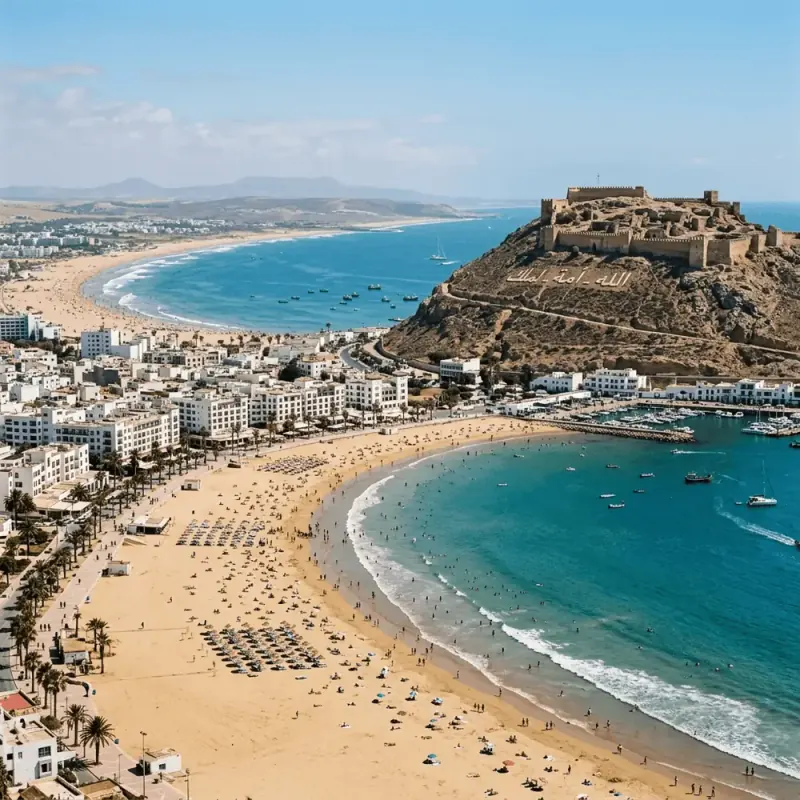
Agadir is Morocco’s premier beach resort for a very simple reason: the beach is spectacular. It is a 10-kilometer crescent of firm, clean sand protected from the fiercest Atlantic winds by a northern headland. The city averages 300 days of sunshine a year.
The beachfront promenade (the Corniche) is the social heart of the city. In the early evening, it fills with Moroccan families, European expats, and young people skateboarding or riding rented pedal-carts. It is relaxed, safe, and entirely unpretentious.
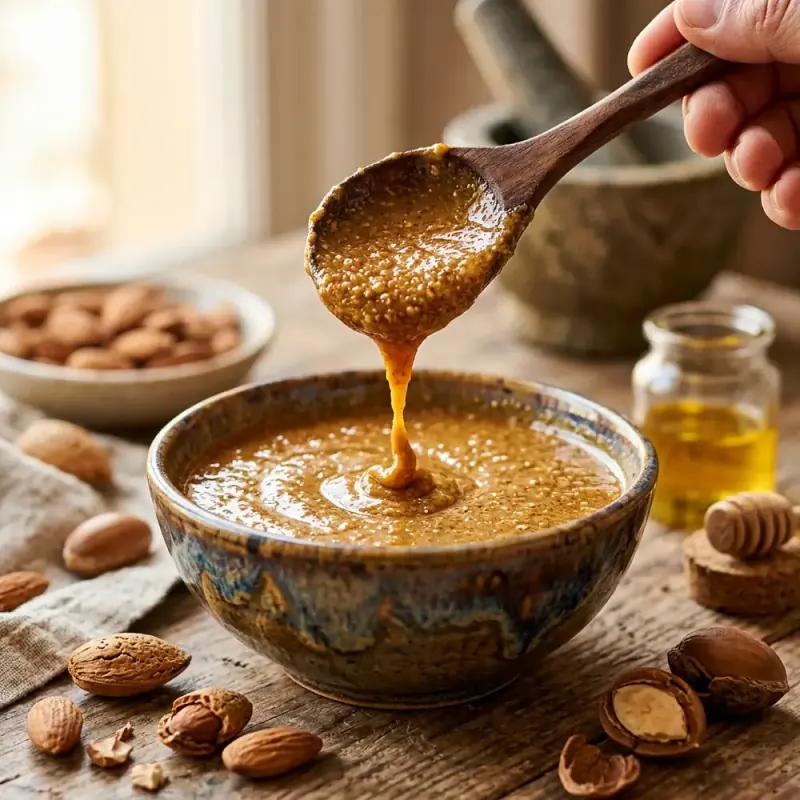
While Agadir lacks an ancient medina, it does have the Souk El Had, one of the largest enclosed markets in Africa. Unlike the tourist-focused souks of Marrakech, Souk El Had is primarily a working market for the city’s residents. It has over 6,000 stalls selling everything from fresh produce and spices to electronics and furniture. It is the best place in Morocco to buy argan oil (this is the region where the argan tree grows) and amlou (the local spread made of argan oil, almonds, and honey).
The Surf Coast: Taghazout and Imsouane
Just 20 kilometers north of Agadir lies Taghazout, a former fishing village that has evolved into the undisputed surfing capital of North Africa.
Taghazout’s reputation rests on its point breaks, most famously Anchor Point, which on a good winter swell can produce right-hand rides that go on for hundreds of meters. What used to be a ragged backpacker secret is now a mature surf destination, with boutique yoga-and-surf retreats, excellent vegan-friendly cafés, and international competitions.
But the magic of Taghazout is that it hasn’t lost its Moroccan soul. The fishermen still pull their blue wooden boats up onto the beach every morning. You can surf a world-class wave, walk out of the water, and buy a grilled sardine sandwich straight off the coals for 15 dirhams.
Further north, at the end of a dramatic, winding mountain road, is Imsouane. Imsouane is famous for ‘The Bay,’ a remarkably long, peeling wave that is perfect for longboarding. The town is smaller, quieter, and more isolated than Taghazout. The landscape, where the arid mountains drop directly into the cold, nutrient-rich Atlantic, is starkly beautiful.
The Heart of Amazigh Identity
The Souss-Massa region, of which Agadir is the capital, is the stronghold of the Chleuh people, the Amazigh (Berber) group of the south. Tachelhit is the dominant language here, often spoken more commonly than Arabic.
This cultural identity is not a historical artifact; it is a driving force. Agadir is the center of contemporary Amazigh music and poetry. The annual Timitar Festival, held every summer, draws hundreds of thousands of people to celebrate Amazigh culture alongside international artists. If you have the chance to attend, do it. The energy of a crowd of 100,000 people singing along to an electrified Amazigh folk anthem is something you will not forget.
To understand the rural roots of this culture, you need to drive east from Agadir into the Souss Valley and the Anti-Atlas mountains. The town of Taroudant, surrounded by massive mud-brick walls and framed by the High Atlas to the north and the Anti-Atlas to the south, is often called ‘the grandmother of Marrakech.’ It is quieter, dustier, and very atmospheric.
The Reality of Development
The Souss coast is changing rapidly. The Taghazout Bay development project has brought massive international luxury hotels to the area just south of the village. For some, this represents the loss of the area’s bohemian charm. For others, it brings necessary jobs, better infrastructure, and a formalized tourism economy that benefits the region.
The tension between development and preservation is palpable here. The argan forests, unique to this specific microclimate, are protected by a UNESCO biosphere designation, but they face pressure from agriculture and climate change.
Why the Souss Coast Matters
If you want the thousand-year-old fairy tale of Morocco, go to Fes. If you want the vast silence of the desert, go to Merzouga.
But if you want to see how Morocco actually lives when it is off the clock, if you want to surf the best waves in the Atlantic, eat fresh fish caught an hour ago, listen to contemporary music that blends ancient rhythms with modern production, and experience the warm, unpretentious hospitality of the Amazigh south, you go to Agadir and you drive north.
The Souss coast doesn’t care if it fits the Orientalist fantasy. It is too busy having a good time.
Frequently Asked Questions
What makes the Souss coastal wave conditions ideal for surfing?
The Atlantic coastline between Agadir, Taghazout, and Imsouane catches consistent North Atlantic groundswells from October through April. Dominant offshore winds, combined with point breaks like Anchor Point and gentle sand spits like Imsouane Bay, create rides suitable for beginners and advanced surfers alike.
How do I experience authentic Amazigh culture along the Souss coast?
Explore inland villages toward Taroudant and the foothills of the Anti-Atlas. Visit community-run argan cooperatives managed by local Amazigh women, browse weekly rural souks where Tachelhit is the primary spoken language, and sample traditional meals seasoned with pure argan oil and wild thyme.
What is the local transport situation between Agadir and coastal surf villages?
Shared collective taxis (grand taxis) run frequently between Agadir’s Battoir station, Aourir, Taghazout, and Tamraght for 10 to 15 dirhams per seat. Local ALSA buses (lines 32 and 33) also operate regular routes along the coastal highway until early evening.
When is the ocean water warmest for swimming in Agadir?
Water temperatures peak between July and September, averaging 21 to 23 degrees Celsius. During the winter surf season (December to February), water temperatures drop to 16 to 18 degrees Celsius, making a 3/2mm neoprene wetsuit necessary for comfortable sessions.
Experience the true heart of Moroccan heritage through its culinary traditions. Join us in preserving and honoring these ancestral recipes.
What People Are Saying
No comments yet. Be the first — we'd love to hear from you.
Youssef
Culturally Verified & Fact-CheckedYoussef is a food ethnology researcher documenting historic spice trade routes, Berber cooking methods, and the living food history of the Maghreb.