Aker Fassi: The Poppy Powder Lip Stain of Berber Women
Aker Fassi: The Poppy Powder Lip Stain of Berber Women
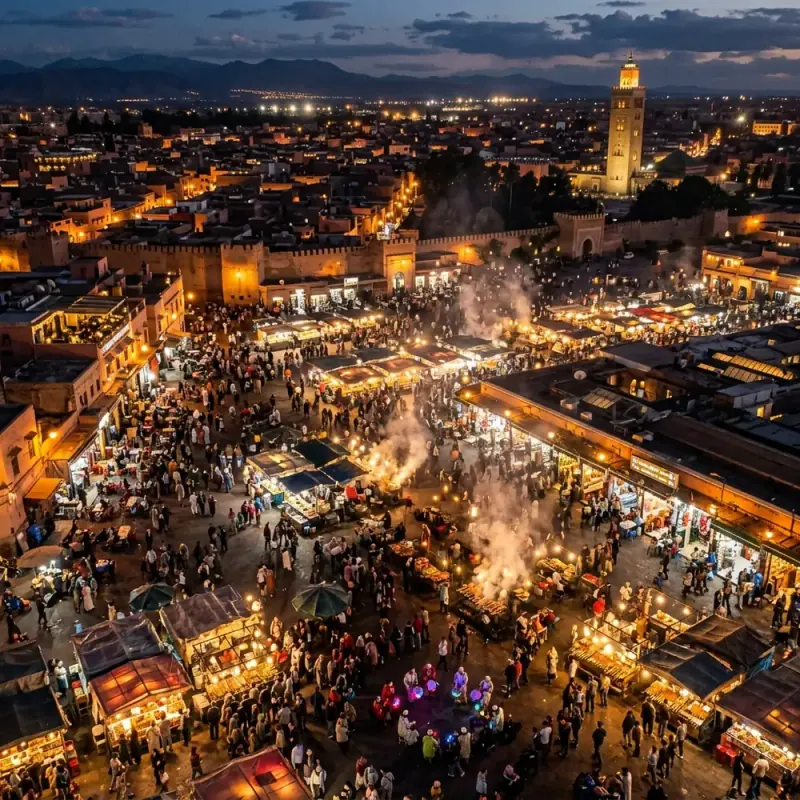
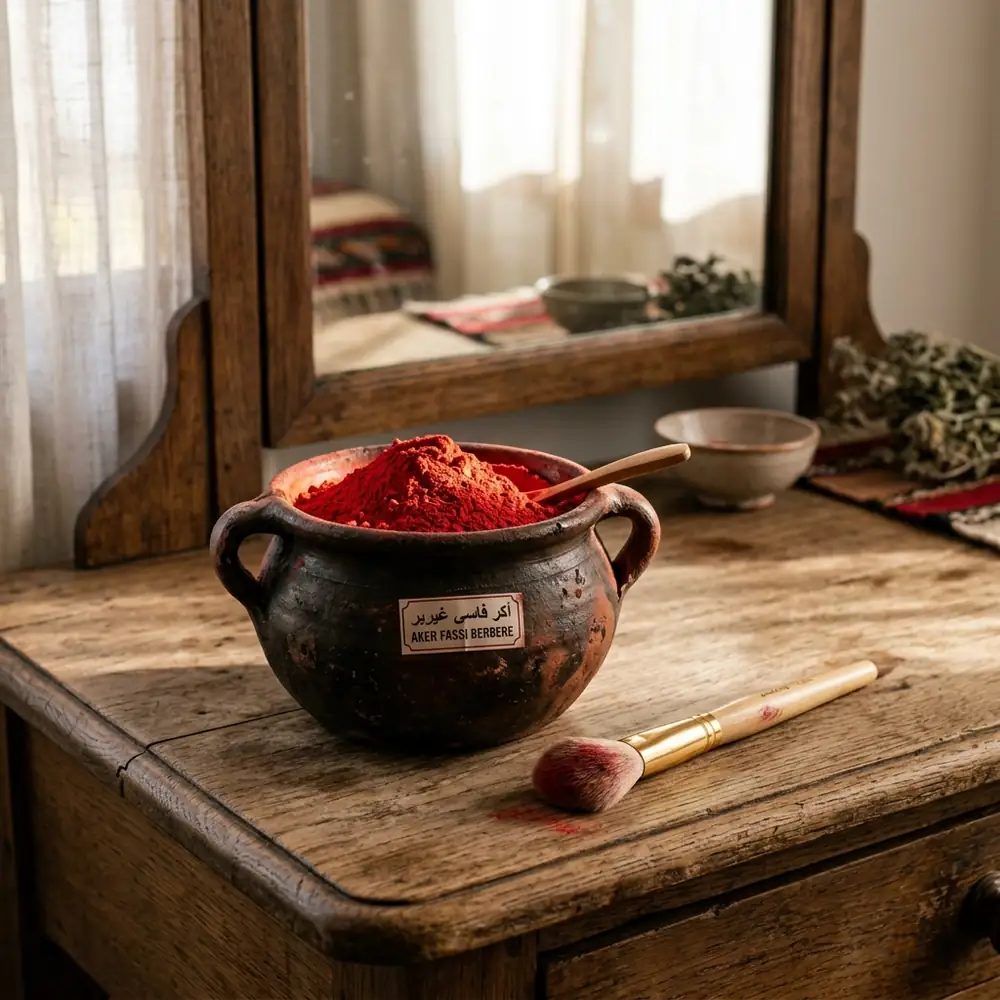
Walk through the cosmetic sections of the souks in Marrakech or Fes, and your eyes will immediately be drawn to small, terracotta clay pots that look as if they have been dipped in dried blood. This is Aker Fassi, the oldest, most authentic, and most lively cosmetic in the Moroccan beauty arsenal.
Long before the invention of chemical lipsticks or blush, Berber women in the Atlas Mountains were using this brilliant red powder to tint their cheeks, stain their lips, and prepare for their wedding days.
The Alchemy of Petals and Rinds
Aker Fassi is completely natural, yet its pigment is astonishingly intense. It is made primarily from wild poppy petals (coquelicot). These delicate red flowers are harvested by hand in the spring and laid out to dry in the sun until they become brittle.
The petals are then crushed into a fine powder and mixed with the dried rind of a pomegranate—a natural astringent that helps the pigment adhere to the skin. Finally, this mixture is baked directly onto the surface of a small, porous terracotta dome.
How the Magic is Activated
To the uninitiated, the dried clay pot looks solid and unusable. But the magic lies in activation. A Moroccan woman simply dips her finger, or a small brush made of wood, into water or pure rose water, and rubs it gently against the clay. Instantly, the dried powder liquifies into a brilliant, fiery crimson stain.
When applied to the lips, it is virtually weightless. It doesn’t smear like wax lipsticks. It absorbs into the skin, leaving a matte, flushed, incredibly natural red tint that lasts the entire day. Beyond cosmetics, a pinch of the raw powder is often mixed with Ghassoul clay or Henna to give a warm, reddish glow to the hair and skin. It is the color of passion, deeply rooted in the Moroccan earth.
Experience the true heart of Moroccan heritage through its culinary traditions. Join us in preserving and honoring these ancestral recipes.
What People Are Saying
No comments yet. Be the first — we'd love to hear from you.
Ghina Mrabet
Culturally Verified & Fact-CheckedThe Moroccan Food editorial team brings together native culinary researchers, heritage preservationists, and experienced home cooks across Marrakech, Fes, and Casablanca. Every recipe and cultural guide is reviewed against ancestral oral traditions and authentic regional practices.