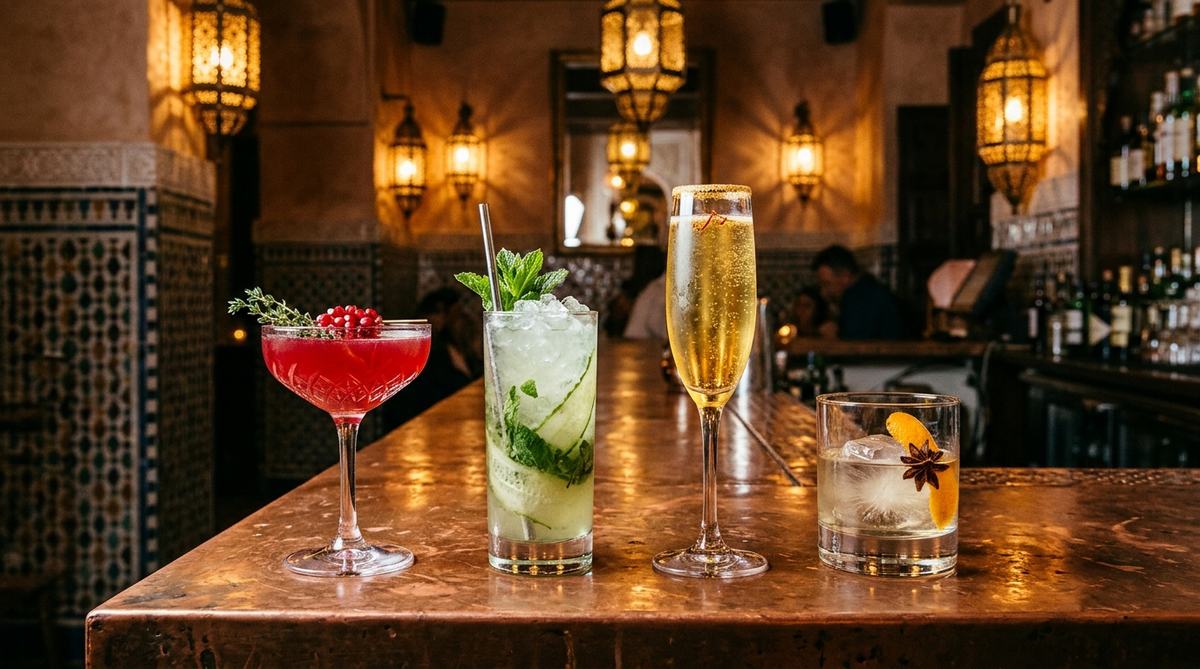
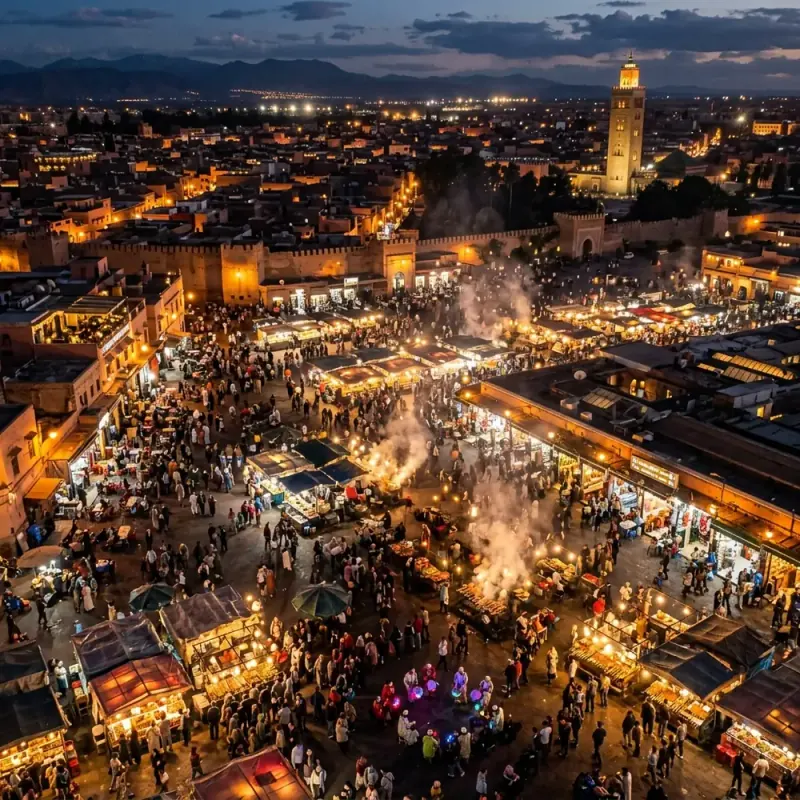
Arabic Cocktail Recipes: Non-Alcoholic Drinks Inspired by the Arab World
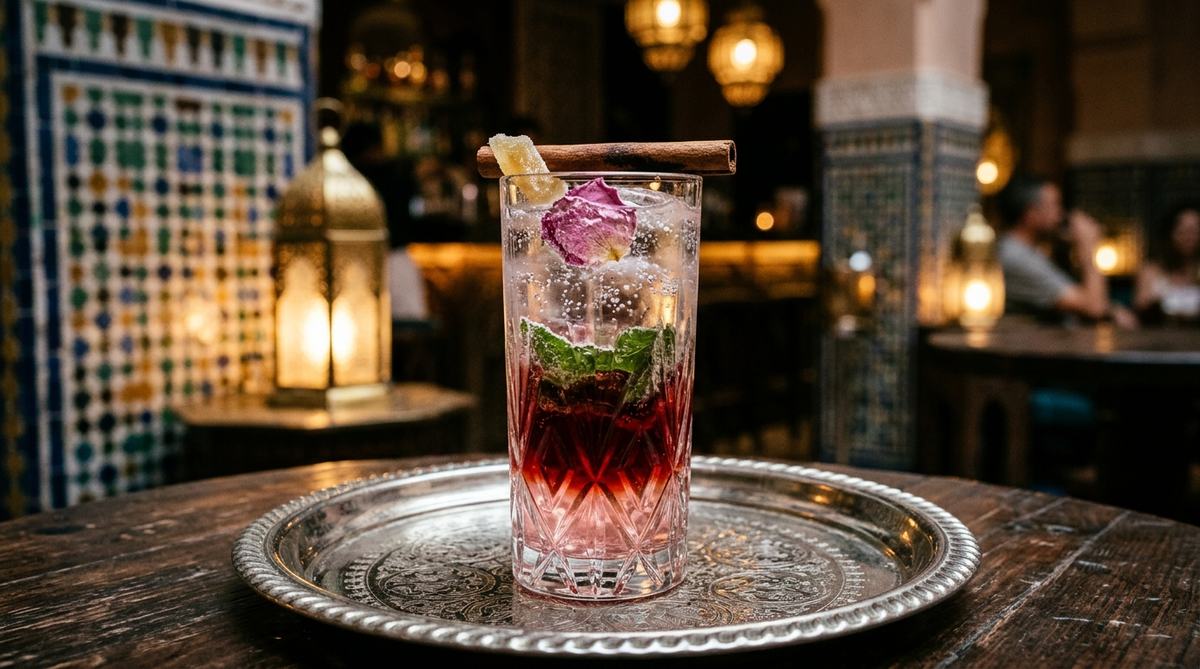
When the sun beats down across the medina and the afternoon heat settles over stone courtyards, nothing restores the spirit quite like a chilled, aromatic drink. Across the Arab world and North Africa, hospitality begins with a glass in hand. Long before modern mixologists coined terms for zero-proof concoctions, homes from Casablanca to Cairo, Beirut to Damascus perfected the art of the refreshing alcohol-free beverage.
These drinks are never an afterthought. They celebrate fragrant botanicals, sun-ripened fruits, steeped spices, and delicate flower waters that have flavored daily life for generations. In Morocco, where gatherings stretch for hours and family fills every corner of the salon, a pitcher of something cool and fragrant is essential hospitality.
Let us look closely at the heritage of Arabic drinks, their regional expressions, and how to craft authentic recipes at home.
The Art of the Alcohol-Free Cocktail in Arab Culture
Across North Africa and the Levant, hospitality (diafa) demands generous refreshment. When a guest crosses your threshold, offering something restorative is the first gesture of welcome. Because alcoholic drinks are not part of traditional public gatherings in most Muslim households, beverage culture developed exceptional depth and sophistication without relying on spirits.
Instead of hiding the absence of alcohol, Arabic drink recipes highlight layered aromas. Sweetness is balanced by astringent tea, sour sumac, tangy dried limes, or pungent fresh citrus. Perfumed floral waters—especially ma zhar (orange blossom water) and ma ward (distilled rose water)—provide high floral notes that linger on the palate.
Texture plays an equally vital role. Crushed ice, floating pine nuts, plump golden raisins, or soaked chia and basil seeds add sensory intrigue. Each sip delivers fragrance, cooling refreshment, and satisfying depth.
Classic Pillars of Arab Refreshment
Several time-honored drinks form the foundation of beverage traditions throughout the Middle East and North Africa. Understanding these classic profiles allows you to create modern variations that honor their culinary roots.
1. Jallab: Date Syrup and Smoky Fruit
Jallab is an undisputed classic of Syrian and Lebanese summer afternoons, warmly embraced across the Arab diaspora. It relies on a syrup made from concentrated grape molasses, dates, and carob, gently infused with rose water and smoked over pine resin.
To serve, the deep brown syrup is diluted with ice-cold water, stirred vigorously over crushed ice, and generously crowned with floating pine nuts and raw almonds. As you drink, the rich molasses flavor pairs with the nutty crunch, creating a drink that feels luxurious yet thirst-quenching.
2. Karkadé: Tart Hibiscus Cooler
Karkadé (dried hibiscus calyces) is beloved from the banks of the Nile to Saharan oasis towns. Steeped in boiling water, it produces a deep crimson infusion with a tart, cranberry-like tang.
Sweetened lightly with raw sugar or orange blossom honey, karkadé is served steaming hot in desert winters or chilled over mountains of ice in midsummer. A splash of fresh lime juice sharpens the ruby broth, while a whisper of cinnamon stick during steeping adds warmth.
3. Limonana: The Mediterranean Mint Crusher
Born in the cafes along the Mediterranean coast, limonana (a blend of lemon and nana, the Arabic word for spearmint) is the ultimate hot-weather antidote. It is not ordinary lemonade; whole mint leaves, freshly squeezed lemon juice, sugar syrup, and crushed ice are whipped in a blender until frothy, bright green, and slushy. It offers an immediate blast of crisp coolness that cuts through heavy meals and midday fatigue.
4. Tamar Hindi: Sweet and Sour Tamarind
Tamar hindi—literally “Indian date” in Arabic—is an ancient beverage made by soaking and simmering sour tamarind pulp with sugar and a hint of rose water. Strained until crystalline and dark, this drink offers a bold, mouth-puckering balance of sour acid and soothing sweetness. Street vendors in Damascus and Cairo traditionally poured it from ornate brass urns strapped to their chests, clinking metal bowls to herald their arrival.
Moroccan Flavors: Our Distinct Heritage
While Morocco shares a love for herbal infusions with the wider Arab world, our palate carries unique Maghrebi accents. Our drinks rely on local agriculture: sweet Souss citrus, wild mountain pennyroyal (flio), fragrant spearmint from Meknes, and the liquid gold of spring blossom distillations.
Moroccans frequently turn fresh fruits into rich, smooth smoothies called jus. An iconic Moroccan classic combines ripe avocado, whole milk, orange blossom water, and a touch of honey or crushed almonds. Another crowd favorite blends sweet seasonal strawberries with freshly squeezed orange juice and a single teaspoon of rose water.
When creating modern mocktails inspired by Moroccan tables, we draw upon this palette: herbaceous fresh herbs, sharp citrus, smooth honey syrups, and floral distillations that transport you directly to a fragrant courtyard in Fes.
Four Signature Recipes to Make at Home
Here are four distinct recipes you can easily prepare. Each balances authentic flavors with straightforward preparation.
Recipe 1: The Marrakech Rose and Pomegranate Spritzer
This drink balances the bright acidity of seasonal pomegranate with the romantic perfume of distilled rose water. It has a dramatic ruby color that looks stunning in tall glassware.
Ingredients:
- 120 ml pure pomegranate juice (unsweetened)
- 30 ml fresh lime juice
- 20 ml honey syrup (equal parts wildflower honey and warm water)
- 1 teaspoon Moroccan food-grade rose water (ma ward)
- 100 ml sparkling mineral water or club soda
- Fresh pomegranate arils and edible rose petals for garnish
- Crushed ice
Instructions:
- In a mixing glass, combine the pomegranate juice, lime juice, honey syrup, and rose water.
- Stir thoroughly until the honey syrup incorporates evenly.
- Fill a tall glass with crushed ice. Pour the pomegranate mixture over the ice.
- Top slowly with sparkling water to create effervescence.
- Garnish with a spoonful of fresh pomegranate seeds and a sprinkle of organic dried rose petals. Serve immediately with a glass straw.
Recipe 2: Chilled Spiced Hibiscus and Orange Cooler
A Maghrebi take on karkadé, this drink introduces warm baking spices and sweet orange notes to mellow the natural tartness of hibiscus.
Ingredients:
- 40 g dried hibiscus flowers (karkadé)
- 800 ml water
- 1 small cinnamon stick
- 2 green cardamom pods, lightly cracked
- 60 g raw cane sugar or honey
- 120 ml freshly squeezed orange juice
- Orange wheels and fresh mint sprigs for garnish
Instructions:
- In a small pot, bring the water, cinnamon stick, and cracked cardamom pods to a gentle boil.
- Remove from heat, stir in the dried hibiscus flowers and sugar, and cover with a lid. Allow it to steep for 20 minutes.
- Strain the deep red liquid through a fine-mesh sieve and discard the solids.
- Let the tea cool to room temperature, then chill thoroughly in the refrigerator for at least two hours.
- To serve, combine the chilled hibiscus tea with fresh orange juice in a pitcher. Pour over ice cubes and garnish each glass with a thin slice of fresh orange and a sprig of mint.
Recipe 3: Fassi Almond and Orange Blossom Mocktail
Inspired by sharbat louz, the traditional almond drink served at Moroccan weddings and celebration ceremonies, this creamy mocktail is rich, silky, and deeply comforting.
Ingredients:
- 200 ml pure unsweetened almond milk (preferably homemade or whole-pressed)
- 2 tablespoons blanched almonds, finely ground
- 1 tablespoon orange blossom water (ma zhar)
- 1 tablespoon pure date syrup or light agave
- A tiny pinch of ground cinnamon
- Crushed ice
Instructions:
- Place the almond milk, ground almonds, orange blossom water, date syrup, and a small handful of crushed ice into a high-speed blender.
- Blend on high speed for 45 to 60 seconds until frothy and smooth.
- Pour into a chilled coupe or rocks glass.
- Dust the surface lightly with a trace of ground cinnamon. Serve chilled as an afternoon treat or after-dinner digestive.
Recipe 4: The Atlas Mint and Ginger Fizz
Taking inspiration from the fiery warmth of fresh ginger and the soothing aroma of Moroccan mint, this mocktail is crisp, spicy, and endlessly refreshing.
Ingredients:
- 8 to 10 fresh Moroccan spearmint leaves
- 25 ml fresh lime juice
- 20 ml ginger simple syrup (simmer equal parts sugar and water with fresh sliced ginger for 15 minutes)
- 120 ml dry ginger beer or ginger ale
- 30 ml chilled green tea (brewed light and cooled)
- Thinly sliced cucumber and mint sprig for garnish
Instructions:
- Place the fresh mint leaves and lime juice into a shaker or sturdy glass. Gently press with a wooden muddler to release the essential oils without shredding the leaves.
- Add the ginger simple syrup and cooled green tea. Fill the shaker halfway with ice cubes and shake gently for 10 seconds.
- Strain into a copper mug or highball glass filled with fresh ice.
- Top with the ginger beer and give a gentle single stir.
- Tuck a cucumber ribbon and a slapped sprig of fresh mint against the rim.
Tips for Mastering Floral Waters and Syrups
Working with flower distillations requires a gentle touch. Distilled rose water and orange blossom water are concentrated essences. A single drop too much can turn an otherwise delightful drink into something reminiscent of bath soap. Always measure with a teaspoon rather than pouring freely from the bottle.
When selecting floral waters, check the ingredients carefully. Choose products labeled 100% steam-distilled and food-grade. Avoid synthetic waters made from artificial perfumes, propylene glycol, or added alcohols, which leave a harsh medicinal aftertaste.
For sweeteners, unrefined options complement botanical drinks best. Orange blossom honey, pomegranate molasses, date syrup, and raw cane sugar bring their own personality to the glass, anchoring high herbal notes with grounding, earthy sweetness.
The Ritual of Serving
In Moroccan culture, the presentation of a beverage is half the enjoyment. Drinks are served in delicate patterned glassware or polished brass and silver trays. Ice is added with care, and garnishes are fresh and plentiful.
When you offer an Arabic cocktail to family or friends, take a moment to enjoy the greeting. Say Bismillah (in the name of God) before your first sip, and savor the aromatic legacy that has kept travelers, traders, and families refreshed across arid valleys and lively cities for centuries.
Frequently Asked Questions
What is a traditional Arabic cocktail?
A traditional Arabic cocktail is typically a non-alcoholic beverage made from steeped botanicals, fruit juices, aromatic plant waters, and natural syrups. Popular examples include Jallab (date and grape molasses with pine nuts), Tamar Hindi (sour tamarind cooler), Karkadé (hibiscus iced tea), and Limonana (blended frozen mint lemonade).
Are Arabic cocktails alcoholic?
Traditionally, authentic Arabic cocktails are completely alcohol-free. Because Islamic culture prohibits alcohol consumption, the beverage traditions of the Middle East and North Africa focused on mastering fruit purees, floral distillations, spices, and herbal infusions to create intricate, complex drinks without spirits.
What is jallab drink made of?
Jallab is made from a concentrated syrup prepared by boiling dates, grape molasses, and carob, gently perfumed with rose water. The syrup is mixed with cold water, poured over crushed ice, and topped with soaked pine nuts and raw slivered almonds that float on top.
How do I make a Moroccan-style non-alcoholic cocktail?
To give any drink a distinct Moroccan character, use key elements of the Maghrebi pantry: fresh spearmint, green tea, fresh citrus (especially blood oranges and lemons), pomegranate juice, and a few drops of pure orange blossom water (ma zhar) or rose water (ma ward). Sweeten with wild honey or date syrup for genuine depth.
Experience the true heart of Moroccan heritage through its culinary traditions. Join us in preserving and honoring these ancestral recipes.
What People Are Saying
No comments yet. Be the first — we'd love to hear from you.
The Moroccan Food
Culturally Verified & Fact-CheckedThe Moroccan Food editorial team brings together native culinary researchers, heritage preservationists, and experienced home cooks across Marrakech, Fes, and Casablanca. Every recipe and cultural guide is reviewed against ancestral oral traditions and authentic regional practices.