The Berber Tea Ceremony in Morocco: Rituals, Meanings & How It Differs from Mint Tea
The Berber Tea Ceremony in Morocco: Rituals, Meanings & How It Differs from Mint Tea
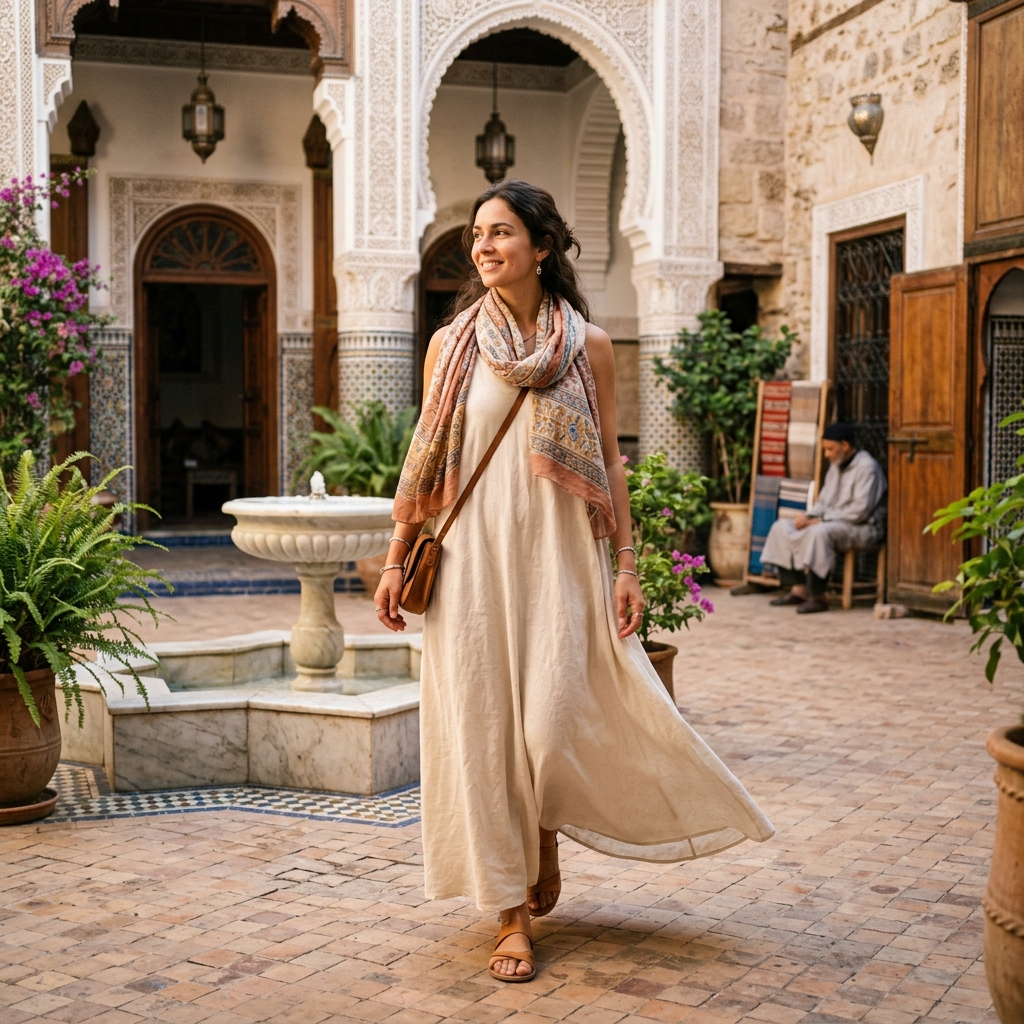
The first time someone handed me a small glass of tea in a Berber village above Aït Benhaddou, I made the rookie mistake of drinking it too fast. My host watched me with gentle amusement, then quietly refilled the glass and gestured for me to slow down. That cup was not just a drink. It was a conversation, a welcome, and a worldview pressed into a few sips.
The berber tea ceremony is not the same thing as the mint tea you order at a riad in Marrakech. The ingredients are different. The pace is different. The meaning behind each pour is different. And if you travel into the Atlas Mountains or the Saharan villages of southern Morocco without understanding this, you will miss something that no itinerary can plan for you.
What Makes the Berber Tea Ceremony Unique
The first thing to know is that Berber tea is almost never just about mint. In urban Morocco — Fes, Casablanca, Marrakech — moroccan mint tea has become a standardized ritual: gunpowder green tea, fresh spearmint, sugar, poured from height to create foam. It is beautiful, and it tastes wonderful. But it is relatively uniform.
In Berber communities, especially those in the High Atlas and the Draa Valley, the tea ceremony draws on a much older tradition. The herbs change with the season, the altitude, and what the land is producing. The preparation is slower and more deliberate. And the ceremony is governed by a structure with real symbolic weight: three pours, each one different, each one carrying meaning.
The Three Pours: A Philosophy in Three Glasses
The famous saying — often attributed to the Tuareg people of the Sahara, but shared widely across Berber communities — describes the three glasses of tea like this:
- The first glass is bitter, like life.
- The second glass is sweet, like love.
- The third glass is gentle, like death.
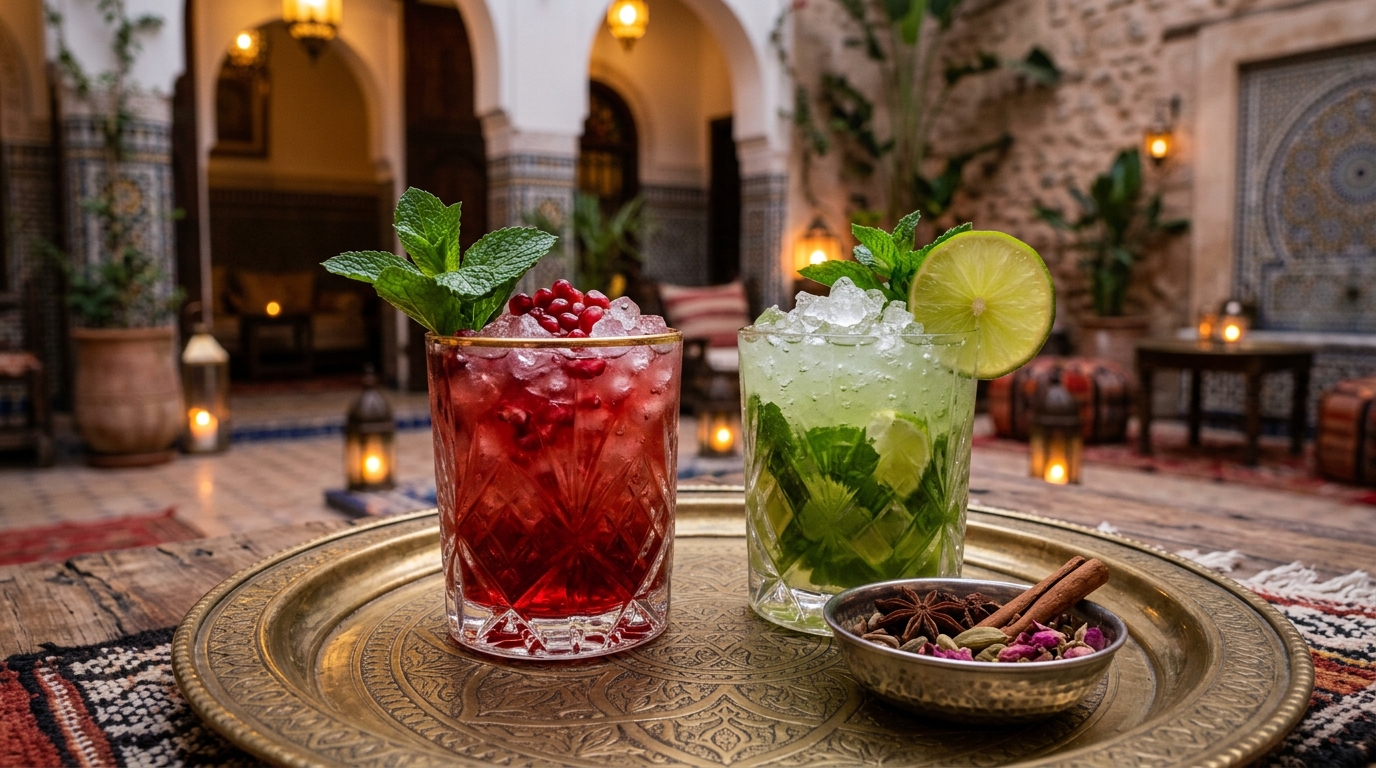
This is not poetry for tourists. It is a genuine expression of how these communities understand existence. The first pour uses the freshest, most concentrated brew — strong, sometimes slightly astringent, with the full bitterness of the herbs before sugar is added. The second pour is sweeter, smoother, with more warmth than edge. The third pour is the lightest, the most diluted, almost gentle. By the time you reach it, you have traveled somewhere.
Refusing any of the three glasses is considered rude. Accepting all three is a sign of respect — for the host, for the ceremony, and for the philosophy embedded in it.
The Herbs That Make It Different
This is where the berber tea ceremony departs most sharply from the mint tea tradition of the cities. The herbs used in the Atlas and Saharan regions are wild-harvested, deeply aromatic, and often medicinal. Depending on where you are and what time of year you visit, you might encounter any of the following:
Wild Thyme (Za’atar Beldi)
Perhaps the most common addition in the High Atlas. Wild thyme grows on rocky slopes between 1,000 and 2,500 meters and has a pungent, resinous quality that farm-grown thyme simply does not match. It adds a slightly earthy bitterness and is believed to aid digestion and respiratory health. In winter, it becomes especially common as hosts use it to ward off colds.
Sage (Mramriya)
Moroccan sage is drier and more aromatic than European varieties. In the mountains, it is often dried before use, which concentrates the oils. A sage-heavy tea has a slightly smoky quality and pairs surprisingly well with the sweetness of sugar added in the second pour. It is also a plant with strong cultural associations — sage tea was historically given to new mothers and to people recovering from illness.
Wormwood / Chiba (Artemisia herba-alba)
This one surprises most visitors. Wormwood — the plant related to the one historically used in absinthe — grows wild across the semi-arid plateaus of southern Morocco. In small quantities, it gives tea a distinctive bitterness and a slight numbing sensation on the tongue. It is prized for its digestive properties and is often used alone as a medicinal tea. In ceremony, it typically appears in the first pour, emphasizing that initial bitterness.
Verbena / Louiza (Lippia citriodora)
Louiza is beloved across all of Morocco, but in the mountains it takes on special importance. Its lemon-scented leaves are delicate enough to be added to the third pour — the gentle one — where their fragrance softens the experience and rounds everything out. If you smell something lemony and floral in a Berber tea, that is louiza doing its work.
Berber Hospitality: The Context Around the Cup
You cannot separate the berber hospitality tradition from the tea ceremony. Tea in these communities is not offered as a beverage — it is offered as a declaration. When a family invites you inside and begins preparing tea, they are saying: you are safe here, you are seen, you are welcome.
The preparation itself is part of the ceremony. The host — almost always the head of household, regardless of gender — does not simply pour from a ready pot. They heat the water over charcoal or a small gas flame, select the herbs, add them in a specific order, taste and adjust, and then perform the high-pour that aerates the tea and creates the characteristic foam on each glass. This can take twenty minutes or more. You are expected to wait without impatience.
The glasses are small, ornate, and often mismatched. That is not poverty — it is history. Each glass has been collected over years, and the set tells the story of a household.
How It Differs from Urban Mint Tea
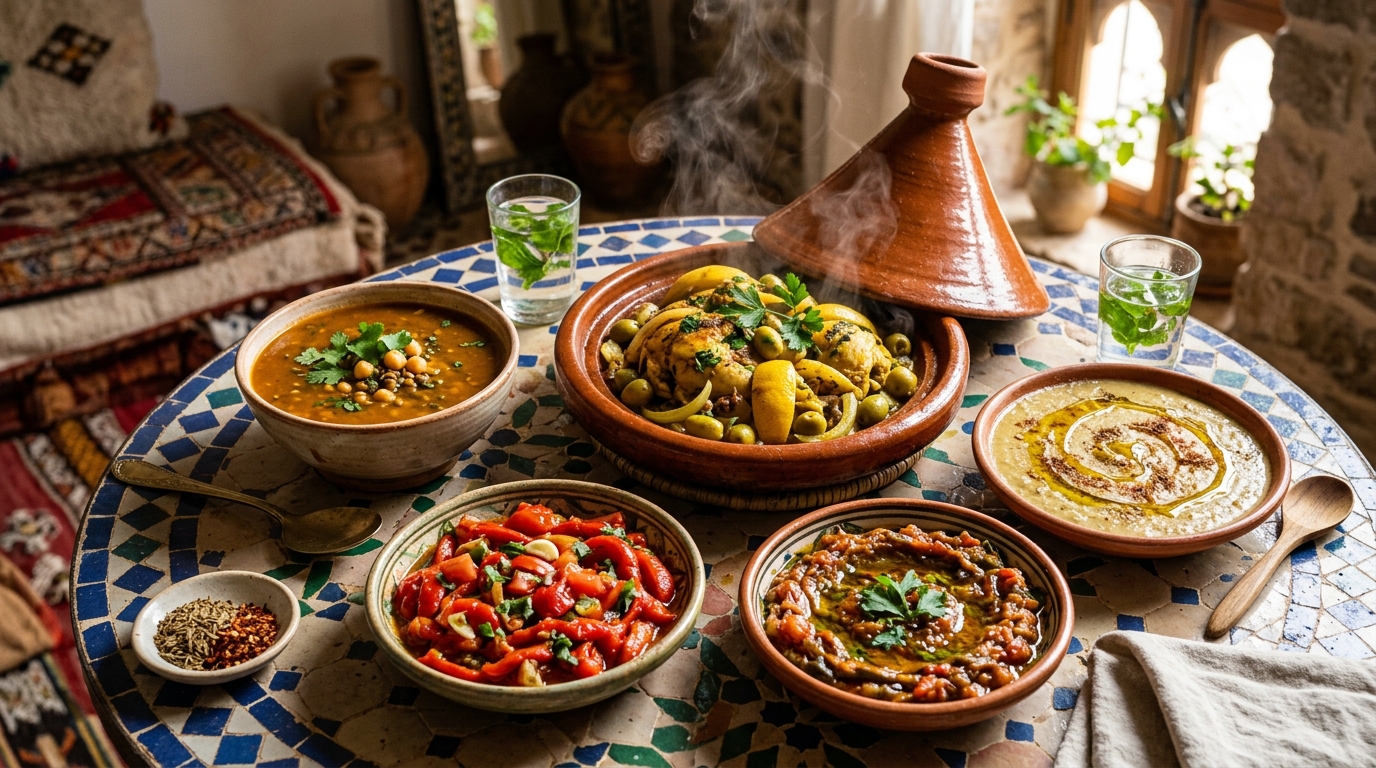
The moroccan mint tea of the cities is not a lesser version of the Berber ceremony — it is simply a different thing. Urban mint tea has been refined into a social lubricant and a commercial offering. You will find it in every café, served to every tourist, made quickly and served often. It is delicious and genuinely hospitable.
The Berber ceremony is slower, more herbal, more variable, and more personal. It happens in homes, not restaurants. The herbs reflect the local landscape. The three-pour structure gives it a narrative arc that a single glass of mint tea does not have. And the ceremony is not something a host performs for you — it is something they perform with you.
If you want moroccan tea ceremony traditions in their fullest form, you need to leave the cities.
Where to Experience the Berber Tea Ceremony
The most authentic experiences happen organically — when a hike through the atlas mountains tea country leads you to a shepherd’s home, or when a guesthouse in the Draa Valley treats you as a guest rather than a customer. That said, a few places where the ceremony is practiced genuinely:
- Aït Benhaddou and the surrounding Ouarzazate villages — stay in a family guesthouse rather than a hotel
- Imlil and the Toubkal region — the mountain guides here often host tea in their family homes
- M’Hamid El Ghizlane — on the edge of the Sahara, where the ceremony blends Berber and Saharan influences
- Imilchil — especially during the September moussem, where families are openly welcoming
Avoid any place that advertises the “Berber tea experience” as a paid activity with a price tag. The ceremony loses something important the moment it becomes a transaction.
A Few Etiquette Notes
- Always accept the first glass, even if you do not normally drink tea.
- Do not add sugar yourself — the host manages all sweetness.
- Do not rush. The ceremony is the point, not the refreshment.
- It is polite to compliment the tea, even briefly. A simple “baraka llahu fik” (may God bless you) after the final glass is always received warmly.
- If you are offered a fourth glass at some households, it means the host truly wants you to stay. Refusing at that point is acceptable but bittersweet for everyone.
FAQ
Q: Is the Berber tea ceremony the same across all of Morocco? No. The ceremony varies considerably by region, altitude, and family tradition. In the Rif Mountains, you might encounter different herbs than in the High Atlas or the Saharan south. The three-pour structure is the most consistent element, but even that is not universal — some communities do two pours, others four.
Q: Can I buy the same herbs used in Berber tea ceremonies in Moroccan markets? Yes, most of them. In the souks of Marrakech, Fes, or Ouarzazate, you will find dried sage, thyme, louiza, and chiba sold by weight in the herb stalls. Ask for them by their Darija names and the vendors will usually help you blend a mixture. The wild-harvested quality you get in a mountain village is harder to replicate, but the herbs themselves are accessible.
Q: How much sugar is typically used in a Berber tea ceremony? Considerably more than most Western visitors expect. The second and third glasses can be quite sweet — it is not unusual for a host to add several tablespoons of sugar to the pot. This sweetness is deliberate and culturally important. Asking for “less sugar” is acceptable if done politely, but understand that you are stepping outside the tradition slightly when you do.
Experience the true heart of Moroccan heritage through its culinary traditions. Join us in preserving and honoring these ancestral recipes.
What People Are Saying
No comments yet. Be the first — we'd love to hear from you.
The Moroccan Food
Culturally Verified & Fact-CheckedThe Moroccan Food editorial team brings together native culinary researchers, heritage preservationists, and experienced home cooks across Marrakech, Fes, and Casablanca. Every recipe and cultural guide is reviewed against ancestral oral traditions and authentic regional practices.