Black Seed (Sanouj): The Prophetic Medicine and Spice of the Maghreb
archived: false
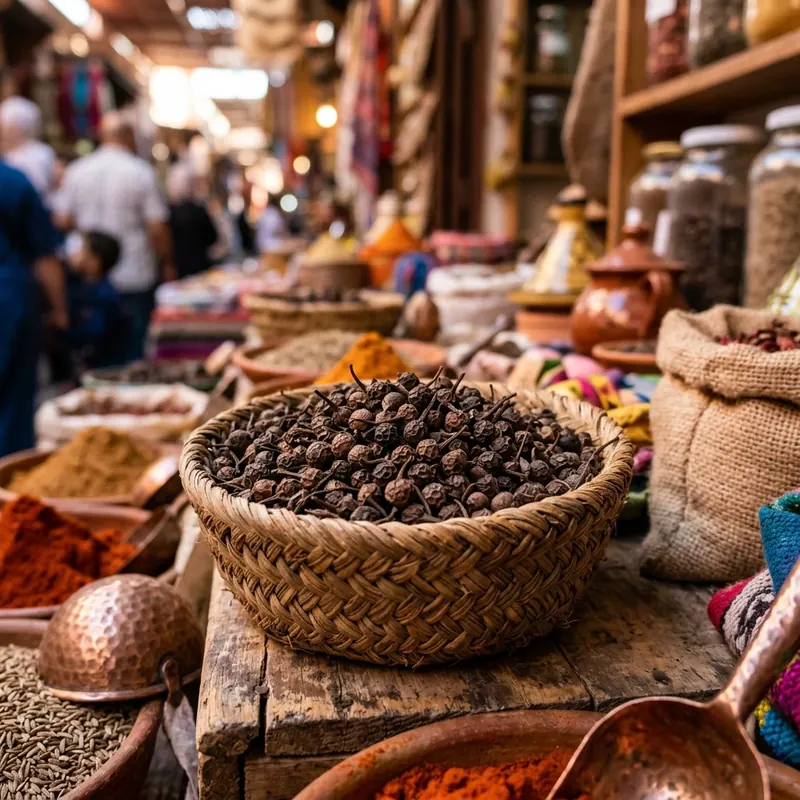
In every Moroccan medina spice shop, nestled alongside cones of yellow turmeric and green cumin, sits a deep wooden bin overflowing with tiny, angular, jet-black seeds that resemble miniature shards of black obsidian. In Moroccan Darija, these are called Sanouj (Nigella sativa, commonly known in English as black cumin, black caraway, or kalonji).
Across North Africa and the wider Islamic world, Sanouj is regarded with spiritual and medicinal reverence. Rooted in famous Prophetic tradition (Al-Tibb Al-Nabawi) stating that the black seed holds healing properties for many human ailments, Sanouj has been incorporated into Moroccan daily domestic life for over a millennium, sprinkled atop morning hearth breads, pounded into warming winter honey electuaries, and inhaled through boiling water to soothe respiratory ailments.
Botanical Identity and Chemical Power
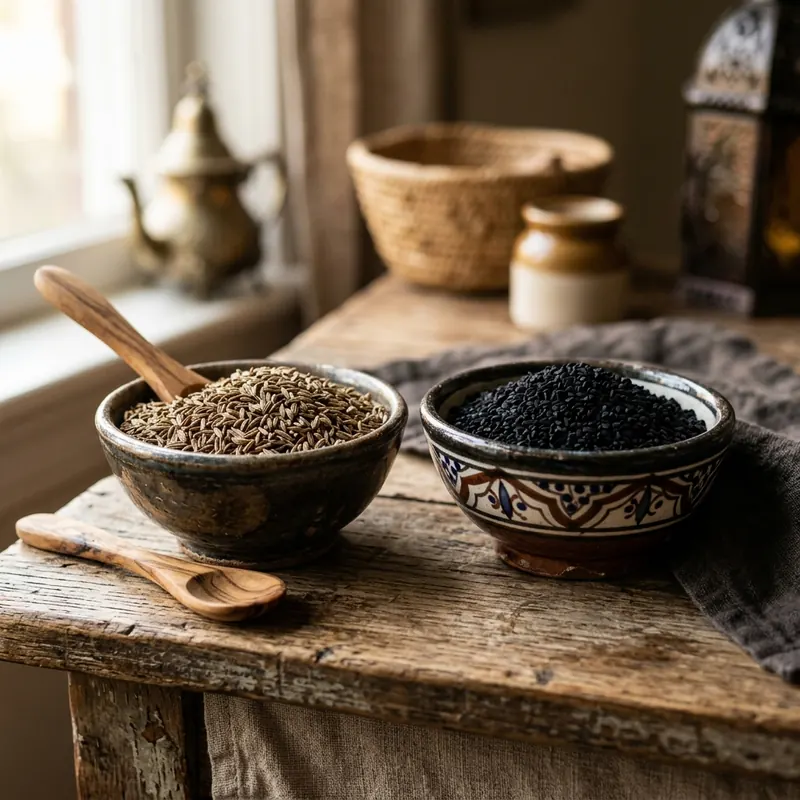
Nigella sativa belongs to the Ranunculaceae (buttercup) family, producing delicate pale-blue or white flowers and balloon-like seed capsules containing hundreds of aromatic black seeds. While it is often colloquially called “black cumin,” it is botanically distinct from both true cumin (Cuminum cyminum) and black seed caraway (Carum carvi).
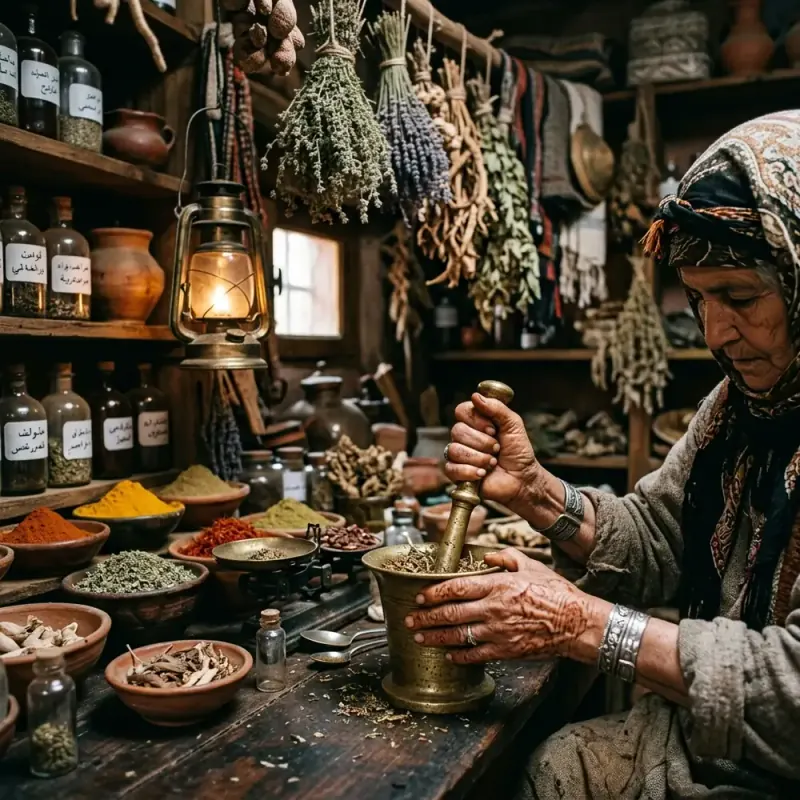
When crushed between the teeth or pounded in a brass mortar, Sanouj releases a complex aroma: peppery, slightly bitter, with distinct notes of oregano, toasted onion, and warm nutmeg.
Modern pharmacology has validated what Moroccan grandmothers practiced for centuries. The seed’s primary bioactive phytochemical is thymoquinone (TQ), a potent natural compound demonstrating documented properties:
- Potent Anti-Inflammatory Action: Modulating inflammatory cytokines in respiratory and joint tissues.
- Bronchodilation: Relaxing smooth airway muscles, making it a classic remedy for bronchial congestion and asthma.
- Antimicrobial and Antifungal Efficacy: Inactivating common pathogenic bacteria and dermatophytes.
- Antioxidant Protection: Scavenging free radicals to support cellular resilience.
Sanouj in the Moroccan Bread Oven
The most familiar daily encounter with Sanouj occurs at the neighborhood communal bakery (Ferran). In Moroccan baking culture, plain white bread is rare; artisanal loaves are fortified with aromatic seeds:
- Khobz Beldi (Traditional Round Bread): Master bakers press moist raw dough rounds of durum wheat semolina directly into a bowl of Sanouj and toasted sesame seeds (Zenjlan) before loading the peel into the wood-fired oven. During baking, the intense surface heat lightly toasts the seeds, releasing essential oils into the crust and filling the street with an appetizing toasted peppery aroma.
- Krachel (Sweet Brioche Rolls): These sweet afternoon buns are enriched with aniseed, orange blossom water, and a generous pinch of Sanouj, whose peppery bite provides an elegant counterpoint to sweet sugar glazes.
Traditional Medicinal Formulations of the Maghreb
In Moroccan folk medicine, Sanouj is prepared in specific therapeutic combinations:
1. The Winter Honey Electuary (Ma’joun)
During cold months in the Rif and Atlas mountains, herbalists blend freshly ground Sanouj seeds with pure mountain thyme honey and a pinch of ground ginger. A teaspoon consumed before breakfast is taken to warm the chest, stimulate immunity, and dispel winter fatigue.
2. The Steaming Inhalation (Tabkhira)
For severe sinus congestion, bronchitis, or head colds, Moroccan elders tie two tablespoons of whole Sanouj seeds inside a clean cotton handkerchief. The cloth pouch is plunged into a bowl of boiling water; the patient drapes a towel over their head and breathes in the pungent, thymoquinone-rich steam for ten minutes.
3. Zayt Sanouj (Cold-Pressed Black Seed Oil)
Artisanal oil pressers in Marrakech and Agadir extract pure black seed oil from raw seeds. Used sparingly, a few drops are applied topically to soothe dry eczema patches, massage aching joints, or rubbed into the scalp to strengthen hair follicles.
Frequently Asked Questions
Is Sanouj the same as black sesame seeds?
No. While they look somewhat similar at a glance, black sesame seeds (Sesamum indicum) are flat, oval, smooth, and have a rich, sweet, nutty flavor used primarily in confections. Sanouj (Nigella sativa) seeds are matte, angular, triangular, and possess a pungent, peppery, oregano-onion flavor with medicinal bitterness.
Can whole Sanouj seeds be consumed daily?
Yes, in moderate culinary amounts. Consuming half a teaspoon to a full teaspoon of whole or freshly crushed Sanouj seeds sprinkled over salads, mixed into yogurt, or baked into daily bread is safe, nourishing, and standard practice across Moroccan households.
How should whole black seeds be stored to preserve their essential oils?
Keep whole Sanouj seeds in an airtight glass jar in a cool, dark pantry away from direct sunlight and stove heat. Whole seeds preserve their volatile oils and therapeutic potency for up to two years. Only grind the seeds immediately before use, as ground nigella oxidizes rapidly.
Can pregnant women take concentrated black seed oil supplements?
While sprinkling a few black seeds on baked bread is safe during pregnancy, concentrated medicinal doses of black seed oil or large amounts of ground nigella should be avoided by pregnant women, as thymoquinone in high medicinal concentrations can stimulate uterine contractions.
How is Sanouj traditionally incorporated into Moroccan morning bread?
In home kitchens across the kingdom, women sprinkle whole nigella seeds directly onto the surface of round semolina khobz and pan-cooked batbout just before baking. As the bread hits the fiery hearth, the heat releases the volatile thymoquinone oils, infusing the golden crust with a subtle, peppery aroma.
What is the safest way to consume raw black seed oil for wellness?
Moroccan herbalists recommend mixing a few drops to half a teaspoon of cold-pressed nigella oil with a spoonful of raw wild mountain honey or warm water. Taking it with honey softens its natural pungent sharpness and protects the stomach lining while maximizing biological absorption.
Experience the true heart of Moroccan heritage through its culinary traditions. Join us in preserving and honoring these ancestral recipes.
What People Are Saying
No comments yet. Be the first — we'd love to hear from you.
Sara
Culturally Verified & Fact-CheckedSara studies the nutritional and functional science of Moroccan ingredients, from pure argan oil and Taliouine saffron to wild medicinal herbs.