Renting a Car in Morocco: 7 Scams to Avoid and the Driving Rules That Will Save You Money
Renting a Car in Morocco: 7 Scams to Avoid and the Driving Rules That Will Save You Money
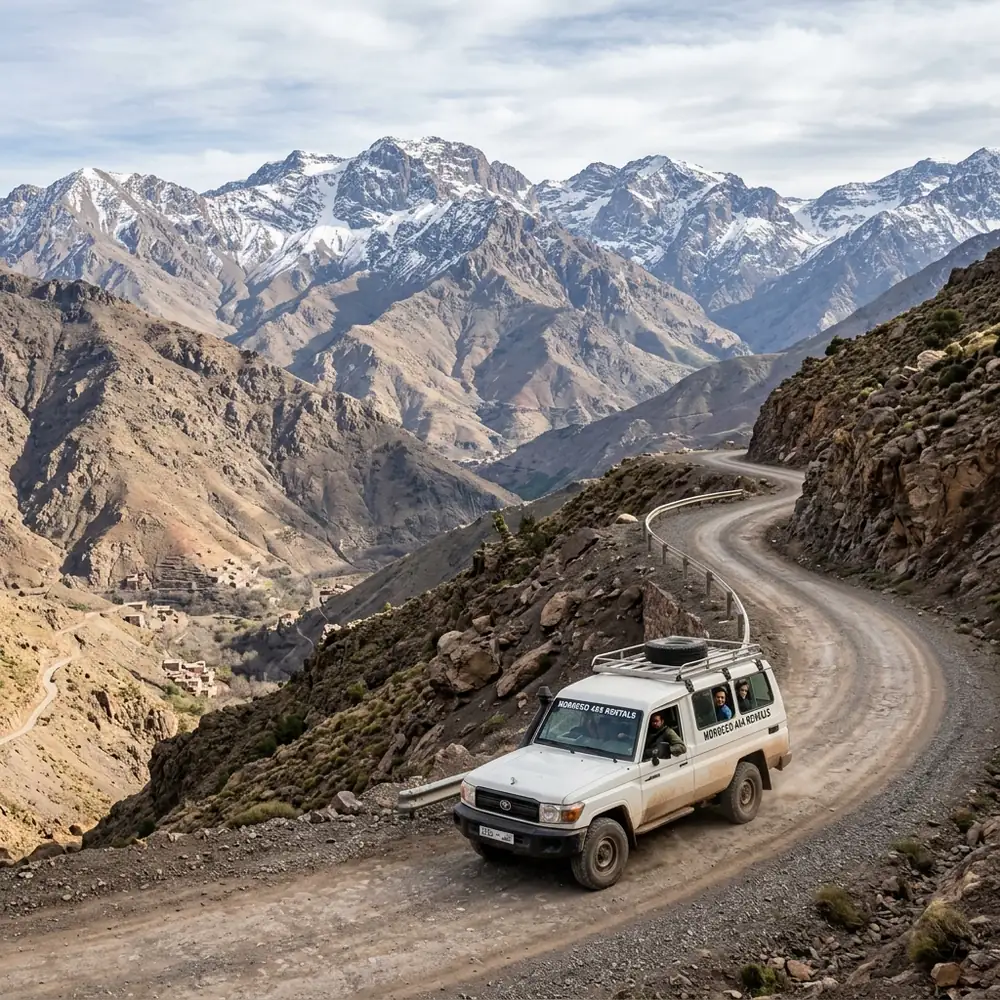
A road trip through Morocco is one of the best travel experiences on the planet. Seriously. The drive from Marrakech through the Tizi n’Tichka pass into the Draa Valley — descending through red rock, past Aït Benhaddou, into the palm groves — is the kind of thing people put on their bucket list and then cannot stop talking about once they have done it.
But car rental in Morocco requires eyes wide open. The industry has specific practices that catch first-timers out regularly. This guide addresses them directly.
The 7 Scams (and How to Avoid Each)
Scam 1: The “Pre-Existing Damage” Trap
You collect the car, it looks fine, you drive away. When you return it, the agent points out a scratch you did not make and presents you with a bill.
How to avoid it: Do the pickup inspection with absolute thoroughness. Photograph and video every panel, every wheel, the roof, the interior, the windscreen — everything, including the boot and door frames. Do this even if the agent tells you “it is fine, do not worry.” Send the photos to your own email so they are timestamped.
If there is existing damage not on the rental form, do not leave until it is added.
Scam 2: Insurance That Does Not Cover What You Think
The base price online often includes only the most minimal Collision Damage Waiver (CDW) with a very high excess — sometimes 5,000–15,000 MAD. You think you are covered. You are not, really.
How to avoid it: Read the excess amount on your contract before signing. If the excess is high, you have two options: pay for the agency’s excess reduction top-up (usually 80–150 MAD/day), or use a credit card that provides rental car excess insurance (some Visa Platinum and Amex cards do this — check yours before travel).
Scam 3: The “Full Tank” Fiction
You pick up a car with “full tank” noted on the contract. It is not quite full. You return it genuinely full. You get charged for the missing fuel that was already missing when you took it.
How to avoid it: Photograph the fuel gauge at pickup. If it is not exactly on full, note it on the contract before signing.
Scam 4: Drop-Off Fee Surprises
You rent in Marrakech and want to return in Casablanca. A large fee — not mentioned prominently in the quote — appears on your bill at return.
How to avoid it: Ask explicitly about one-way fees before booking, not at pickup. Get it in writing (or at least email confirmation).
Scam 5: Unnecessary Extras at the Counter
At pickup, agents are trained to upsell: GPS navigation, child seats, additional drivers, roof racks. These are quoted at rates significantly above what you would pay elsewhere.
How to avoid it: Google Maps works offline in Morocco (download the offline map). If you need a child seat, bring your own travel seat. Decide what you need before the counter conversation starts.
Scam 6: The “Police Fine” Transfer
Some less reputable agencies will inform you weeks after your rental that you received a speed camera fine and they are charging it to your card — with their own administration fee on top.
How to avoid it: Use reputable international agencies (Avis, Hertz, Europcar, Sixt all operate in Morocco) or well-reviewed local agencies. Keep a copy of your rental contract showing the period and vehicle. If a charge appears, dispute it with your card provider and ask the agency for documented evidence of the fine.
Scam 7: The “Mechanic Friend” Breakdown
Your car develops a “problem” and a helpful local stops to assist, leading you to a garage where repair costs are inflated.
How to avoid it: If your rental car genuinely breaks down, call the rental agency’s 24-hour assistance number first. Do not accept mechanical help from strangers and do not agree to any repairs without agency authorisation.
Driving Rules in Morocco: The Essentials
Speed limits:
- Built-up areas: 40–60 km/h (watch for frequent signage changes in cities)
- Open road: 100 km/h
- Motorway (autoroute): 120 km/h
- In practice: average speed cameras (radar tronçon) are increasingly common on Moroccan highways. They are not forgiving.
Drink driving:
Morocco has a zero tolerance policy for driving under the influence. This is enforced. The limit is 0.0 mg/ml blood alcohol. If you drink, do not drive. Full stop.
Seat belts:
Compulsory for all passengers front and rear.
Mobile phones:
Using a phone while driving is illegal and commonly enforced by roadside police checks.
Police checkpoints:
These are frequent on inter-city routes, particularly in the south. Have your driving licence, passport, and rental contract accessible at all times. Officers are generally courteous with foreign tourists. If asked to stop, do so calmly.
Driving at night:
Technically legal but worth avoiding in rural areas. Livestock on roads, vehicles without functioning rear lights, and limited road markings create genuine hazards after dark.
The Best Road Trip Routes in Morocco
Marrakech → Aït Benhaddou → Draa Valley → Zagora: A classic 2–3 day loop through some of the most spectacular desert terrain in North Africa. The Tizi n’Tichka pass (2,260m altitude) is the highlight of the outward adventure.
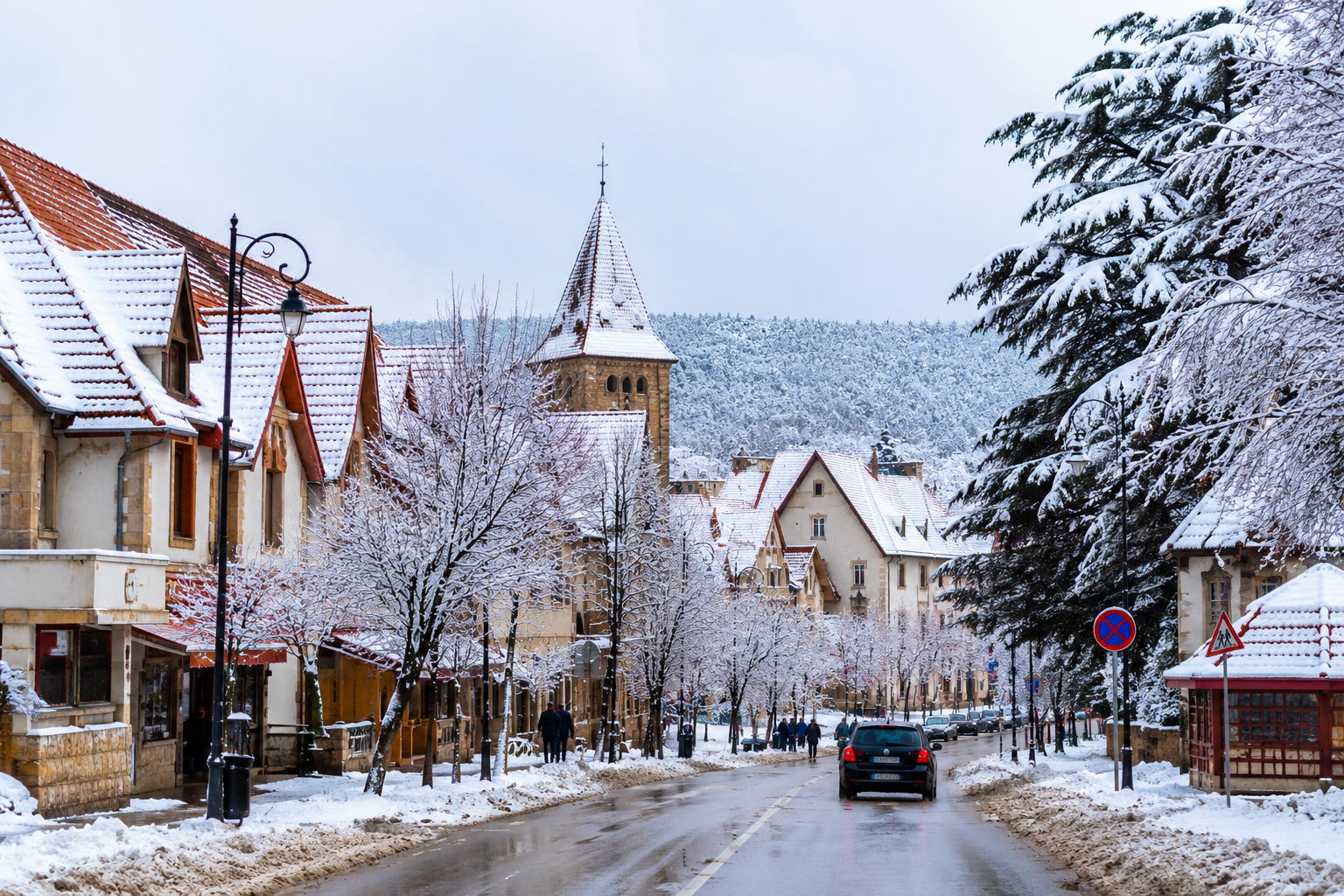
Fes → Azrou → Ifrane → Middle Atlas: Cedar forests, Barbary macaques, and the surprising Swiss-style town of Ifrane. Manageable as a one-day excursion from Fes.
Tangier → Chefchaouen → Tetouan → Ceuta: The northern circuit. Less visited than the south, greener, and historically fascinating.
Agadir → Tiznit → Sidi Ifni → Tan-Tan: The Atlantic coast drive south of Agadir. Wild coastline, Amazigh towns, and one of Morocco’s most underrated road trips.
Frequently Asked Questions
Do I need an International Driving Permit to rent a car in Morocco? For EU, UK, US, Canadian, and Australian licence holders: your national licence is accepted. An IDP is not required but never hurts. Check with your specific rental agency.
What is the minimum age to rent a car in Morocco? Most agencies require drivers to be at least 21, some 25 for larger vehicles. Under-25 drivers often pay a young driver surcharge.
Can I drive a Moroccan rental car into Spanish territory (Ceuta, Melilla)? Some agencies permit this; many do not and consider it a contract breach. Ask explicitly before booking if this is part of your plan.
What fuel does a typical rental car use in Morocco? Petrol (essence) is most common. Diesel (gasoil) is available. Fuel currently costs approximately 13–15 MAD/litre. Fill up in cities — rural stations can be far apart, particularly in the south.
Experience the true heart of Moroccan heritage through its culinary traditions. Join us in preserving and honoring these ancestral recipes.
What People Are Saying
No comments yet. Be the first — we'd love to hear from you.
The Moroccan Editorial Team
Culturally Verified & Fact-CheckedThe Moroccan Food editorial team brings together native culinary researchers, heritage preservationists, and experienced home cooks across Marrakech, Fes, and Casablanca. Every recipe and cultural guide is reviewed against ancestral oral traditions and authentic regional practices.