Coriander Seeds (Qesbour): The Citrus Soul of Moroccan Spice Blends & Apothecary Healing
Coriander Seeds (Qesbour): The Citrus Soul of Moroccan Spice Blends & Apothecary Healing
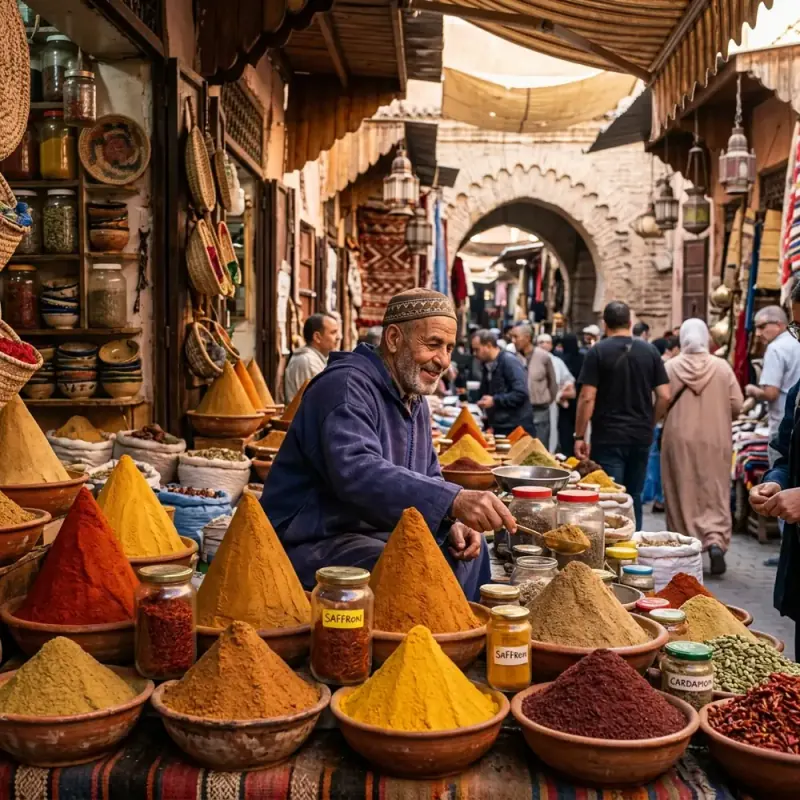
Step into an apothecary shop in the Bab Semmarine quarter of Fes or the spice alleys of the Marrakech Rahba Kedima, and you will notice a contrast that surprises many travelers. While our daily tagines and street stalls overflow with enormous, fragrant bushels of fresh green cilantro leaves, the master herbalist (attar) reserves his highest respect for the small, round, ribbed seeds of the exact same botanical plant: dried coriander seeds, known across Morocco as Qesbour Hboub.
Coriander seeds are not simply cilantro in dry form. They belong to an entirely different sensory and chemical universe. While fresh leaves deliver an assertive, herbaceous sharpness, the dried seeds hold a warm, floral, sweet citrus essence that smells of candied orange peel, cracked black pepper, and dried sage. For centuries, Moroccan court cooks and mountain herbalists have used this golden seed as the silent architect of our cuisine, providing the bright high notes that prevent heavy, slow-simmered stews from becoming dense or fat-heavy.
Here is the complete culinary and historical guide to Qesbour Hboub, from the ancient spice caravans to the roaring charcoal braziers of Eid al-Adha.
The Botanical Miracle: How a Pungent Leaf Becomes a Citrus Seed
Few culinary plants demonstrate such a radical flavor evolution as Coriandrum sativum. In its vegetative stage, the plant synthesizes aliphatic aldehydes, volatile organic compounds that give fresh cilantro its grassy, pungent, and polarizing bite. However, as the North African spring sun warms the clay soil and the plant shoots up delicate white-and-pink flower umbels, a profound chemical metamorphosis takes place.
As the flowers fade and tiny green spherical fruits swell, the plant converts those harsh aldehydes into linalool (an aromatic monoterpene alcohol also abundant in lavender and sweet orange rind) and geranyl acetate. By the time Moroccan farmers harvest the mature seed clusters under the dry heat of early summer, the sharp grassy flavor has completely vanished.
What remains is a hollow, double-seeded sphere with raised longitudinal ridges. When cracked between your molars or crushed in a heavy brass mortar, the seed bursts with an uplifting, balsamic aroma that cleanses the palate and lifts the spirits.
The Digestive Engine: Why Every Tagine Needs Coriander Seeds
In classical Moroccan culinary philosophy, food and natural medicine are never separated. The spice rack of a traditional riad kitchen is fundamentally an apothecary shelf assembled by generations of observant women.
Coriander seeds occupy a primary position in this tradition because of their powerful carminative and antispasmodic properties:
- Taming Heavy Legumes: When cooking slow-simmered white beans (Loubia) or dried split fava soup (Bissara), Moroccan home cooks always add crushed coriander seeds alongside cumin. The volatile oils relax intestinal smooth muscles, preventing gas, bloating, and heaviness after a hearty winter meal.
- The Cooling Counterweight: Moroccan cooking relies heavily on warming, pungent spices like black pepper, hot paprika, dried ginger, and cumin. Coriander seeds are classified in Maghrebi traditional medicine as gently cooling and harmonizing. They temper the fierce heat of ginger and round out the bitter edge of wild cumin.
- Preserving Without Refrigeration: Long before modern cold storage, Moroccan nomads and caravan traders rubbed dried coriander seed powder into salted strips of beef to make Khlea (preserved dried meat cured in rendered fat). The antimicrobial and antifungal essential oils in coriander seeds protected the meat from spoilage across scorching Saharan journeys.
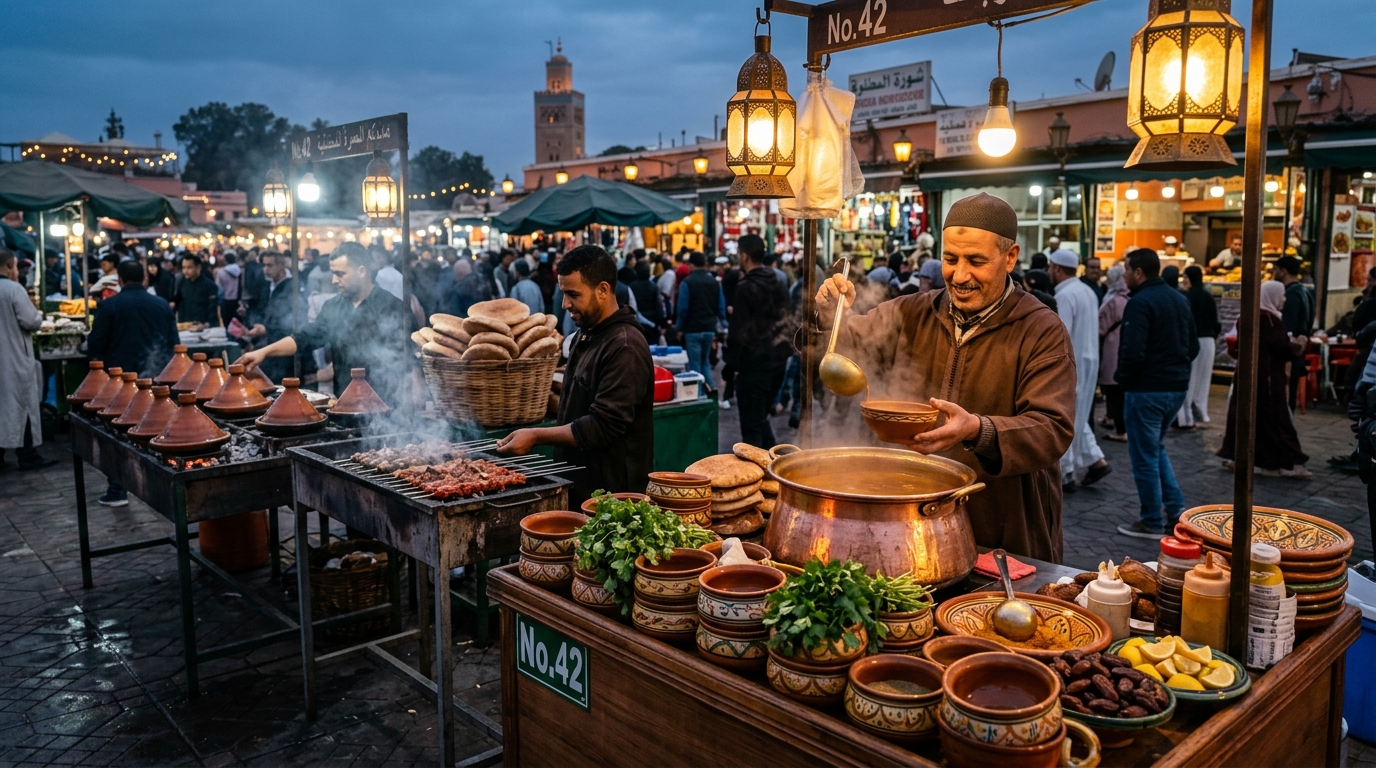
The Grilling Secret of Medina Skewers (Boulfaf)
If you have ever eaten skewers of spiced ground meat (Kefta) or lamb liver wrapped in caul fat (Boulfaf) at a medina street stall and wondered why the rich, fatty meat tasted clean and light rather than greasy, the secret ingredient was almost certainly freshly crushed coriander seeds.
During the feast of Eid al-Adha, Moroccan homes prepare mountains of fresh lamb. Rich organ meats and charcoal-roasted fats can quickly overwhelm the palate. To balance this, the master griller massages the meat with a signature dry rub: coarse Atlantic sea salt, freshly roasted sweet paprika (tahmira), crushed cumin, and a generous quantity of coarsely cracked coriander seeds.
When the meat hits the glowing oak embers of the kanoun (clay brazier), the intense heat vaporizes the linalool oils in the coriander seeds. The citrusy smoke infuses the caramelized crust of the meat, cutting through the richness of the animal fat and leaving a refreshing, aromatic aftertaste that keeps guests coming back for skewer after skewer.
Coriander in the Grand Architecture of Ras El Hanout
No authentic blend of Ras El Hanout (the legendary Moroccan master spice mix) is complete without a substantial foundation of whole coriander seeds. While exotic ingredients like ash tree keys, grains of paradise, dried rosebuds, and monk pepper provide the mysterious background notes, coriander seeds provide the structural spine of the blend.
In a traditional Fassi spice shop, the attar blends spices by density and volatility:
- The Base Layer: Earthy turmeric, warm dried ginger, and woody cinnamon.
- The Bridging Layer: Coriander seeds, green cardamom pods, and nutmeg.
- The Floral Top Layer: Damascus rose petals, mace flowers, and lavender buds.
Without coriander seeds, Ras El Hanout would collapse into a dark, muddy, overly pungent powder. The citrus brightness of the coriander acts like sunlight filtering through a dense cedar forest, illuminating every individual spice note and allowing the saffron and ginger to shine on the tongue.
How to Buy, Roast, and Grind Coriander Seeds at Home
To experience the true magic of Moroccan coriander seeds, you must abandon pre-ground commercial powders bought in supermarket jars. Ground coriander loses its delicate citrus terpenes within forty-eight hours of milling, leaving behind a dusty, tasteless sawdust.
Follow the time-honored discipline of the Moroccan kitchen:
1. Source Whole, Pale-Gold Spheres
Look for whole seeds that are light beige or golden-straw in color, plump, and free of moisture. Avoid seeds that look grey or dark brown, as they indicate age and stale oils. When pinched between your fingertips, a fresh seed should smell distinctly of sweet citrus and dry grass.
2. The Dry-Pan Awakening (Tahmiss)
Place a heavy cast-iron skillet or unglazed earthenware pan over medium-low heat. Add two tablespoons of whole coriander seeds. Keep the seeds constantly moving by swirling the pan or stirring with a wooden spoon for exactly 90 to 120 seconds. As soon as you hear a gentle popping sound and a fragrant wave of toasted orange zest and warm honey fills your kitchen, immediately tip the seeds onto a cool marble slab or flat plate. Leaving them in the hot pan will scorch the fragile oils and produce bitterness.
3. Grind Coarsely on Demand
Allow the toasted seeds to cool for two minutes so the outer husks become brittle. Transfer them to a heavy granite or bronze mortar (Mahraz). Pound the seeds with firm, circular strokes until you achieve a coarse, cracked texture resembling coarse sea salt. For delicate sauces, pulse briefly in a spice grinder, but always aim for texture rather than fine talc.
Traditional Moroccan Coriander Seed Digestive Tea
When evening festivities conclude after an elaborate Moroccan wedding or multi-course feast, the elder women of the household often prepare a gentle herbal tisane instead of heavily sweetened mint tea:
- Ingredients: 1 tablespoon whole coriander seeds, 1 strip dried organic orange peel, 1 crushed green cardamom pod, and 500 ml fresh spring water.
- Method: Lightly crush the coriander seeds to crack the outer shells. Place them in a small enamel or brass pot with cold water and bring to a gentle rolling boil. Reduce heat to low and simmer covered for five minutes. Remove from heat, drop in the orange peel and cardamom, and steep covered for another five minutes.
- Serving: Strain into small fluted tea glasses and sweeten with a teaspoon of raw wildflower honey. Sip slowly while warm. It eases stomach tension within minutes, clears the sinuses, and leaves a clean, citrus-scented freshness on the breath.
Frequently Asked Questions
What is the difference between fresh cilantro (Qesbour) and coriander seeds in Moroccan recipes?
While both come from the same plant, they cannot be substituted for one another. Fresh cilantro leaves provide an herbaceous, pungent green sharpness that is added at the end of tagine cooking or into fresh tomato salads. Dried coriander seeds contribute a sweet, warm, citrusy and woody depth used in dry rubs, marinades, Ras el Hanout, and slow-simmered bean stews.
Why do Moroccan cooks roast coriander seeds before grinding?
Dry-toasting whole seeds over gentle heat evaporates residual moisture and awakens volatile terpenes like linalool. This thermal activation transforms the mild grassy notes of the raw seed into an intense, aromatic aroma reminiscent of roasted citrus peel, sage, and warm wood.
Can coriander seeds help reduce the gamey taste of mutton or goat?
Yes, this is one of their primary culinary functions in Moroccan cuisine. The citrus oils and organic acids released from crushed coriander seeds interact with animal fats during marination, neutralizing heavy gamey odors and tenderizing tough muscle fibers before grilling or roasting.
How should whole coriander seeds be stored to preserve their flavor?
Store whole seeds in an airtight glass jar or glazed ceramic vessel away from direct sunlight, steam, and stove heat. Stored properly in whole form, high-quality coriander seeds retain their vibrant essential oils and potency for up to two years.
Is coriander seed powder used in Moroccan Chermoula marinade?
Traditional coastal Chermoula relies primarily on fresh cilantro leaves, garlic, lemon juice, olive oil, cumin, and paprika. However, in southern ports like Safi and Essaouira, fishermen and traditional cooks frequently add a half teaspoon of finely ground toasted coriander seed to Chermoula destined for rich, oily fish like sardines or mackerel, creating a brighter, more balanced crust.
Experience the true heart of Moroccan heritage through its culinary traditions. Join us in preserving and honoring these ancestral recipes.
What People Are Saying
No comments yet. Be the first — we'd love to hear from you.
Houssam Elmrabet
Culturally Verified & Fact-CheckedHoussam Elmrabet is a Moroccan researcher in territorial marketing and cultural heritage preservation. His work documents regional gastronomic identities, local agricultural heritage, and how ancestral culinary traditions define authentic territorial branding across the Kingdom.