Moving to Morocco as an Expat: Marrakech vs Tangier, Cost of Living, Schools, and Healthcare
Moving to Morocco as an Expat: Marrakech vs Tangier, Cost of Living, Schools, and Healthcare
The Morocco expat community has grown significantly since 2020. Remote work, early retirement from expensive European cities, and genuine love for Moroccan culture have all contributed to a wave of people making the move — some temporarily, some permanently.
This guide is for those considering it seriously, not those daydreaming about it abstractly.
The Two Most Popular Expat Cities: An Honest Comparison
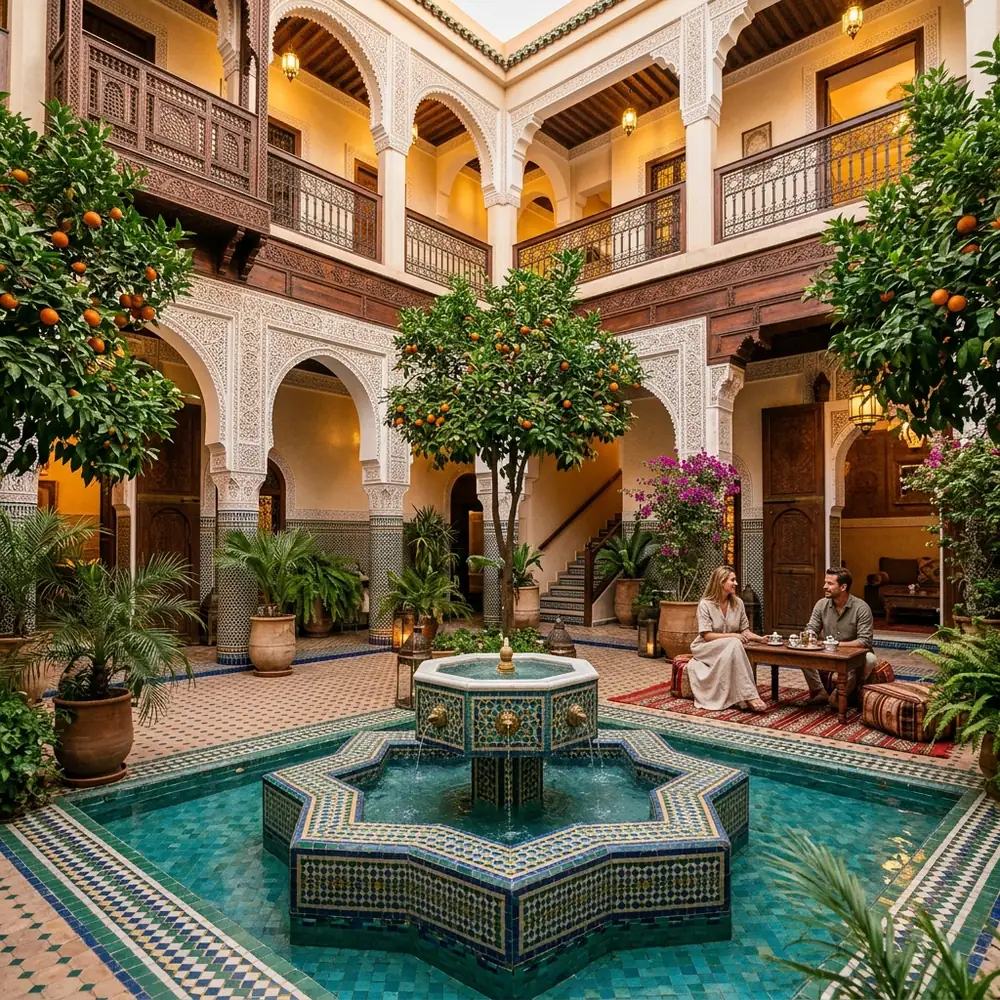
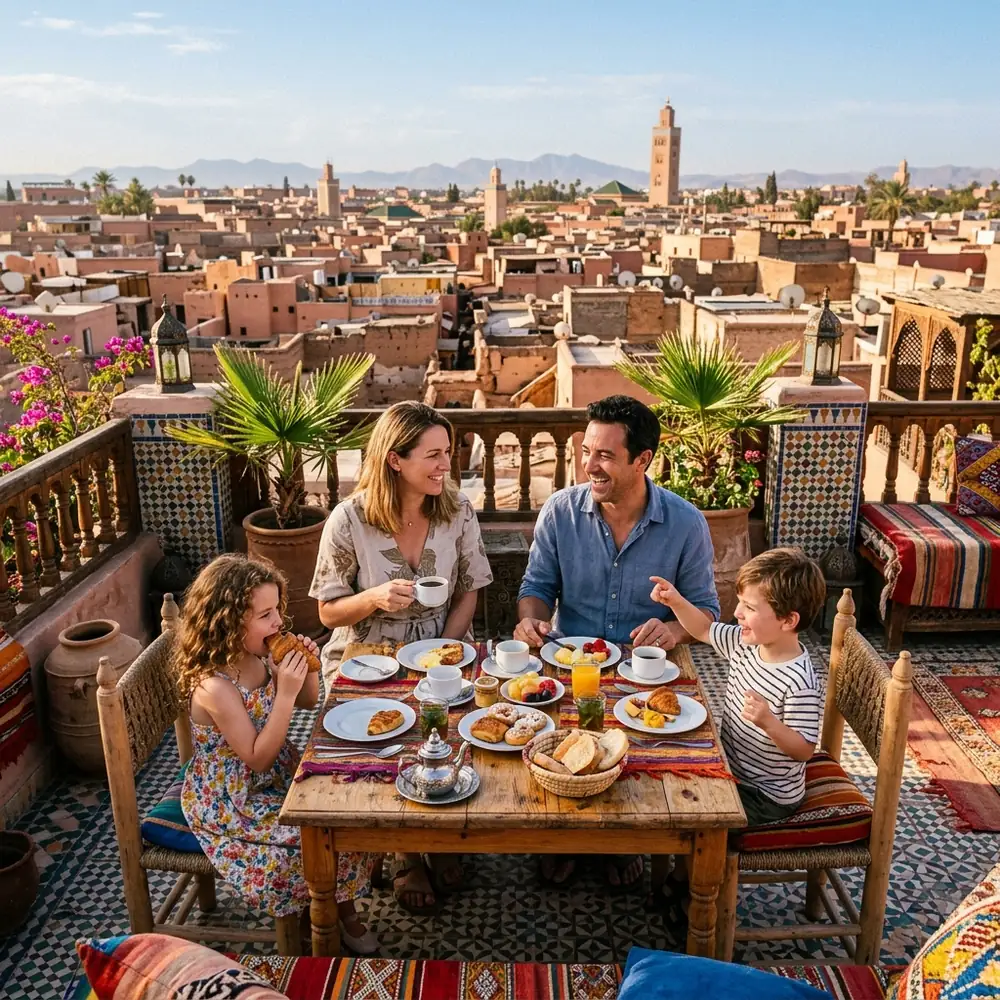
Marrakech
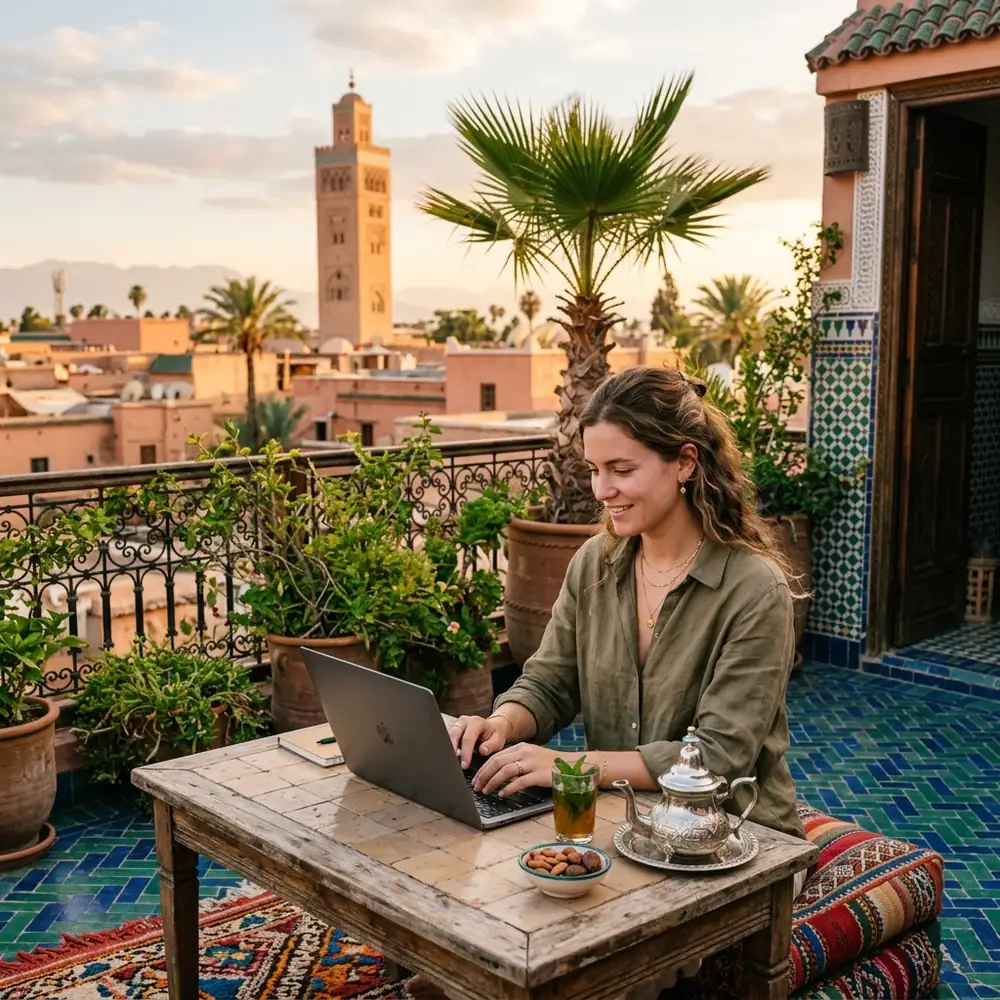
The appeal: Beautiful medina life. Year-round warmth. An established international community (French particularly, but also British, Dutch, and increasingly American). Great restaurants, cultural life, and proximity to the Atlas Mountains. The Gueliz neighbourhood has everything you need for comfortable modern living alongside the ancient medina.
The reality: Tourist pressure in the medina is significant and growing. Marrakech is experiencing real estate price inflation as international buyers drive up costs. Summers are brutally hot (July–August regularly exceeds 40°C). The city has grown rapidly and traffic is increasingly problematic.
Best for: Couples, retirees, remote workers who want warmth and culture, people who do not need the most cosmopolitan urban environment.
Tangier
The appeal: The most European of Moroccan cities. A history as an international zone (1923–1956) that left behind a cosmopolitan, multilingual character. The sea breeze makes summers genuinely pleasant. Access to Spain is a short ferry ride. The city is experiencing a genuine economic renaissance — the Tanger Med port has transformed it.
The reality: Wetter and windier than the south. The medina can be challenging to navigate for newcomers. The Tangier of Paul Bowles and Beat writers is a romantic memory more than a present reality — the city is now functional and forward-looking rather than bohemian.
Best for: Those wanting proximity to Europe, a more dynamic urban environment, and lower real estate prices than Marrakech.
Other cities worth considering:
- Rabat: The administrative capital. Quieter than Casablanca, better urban planning, good schools. Less international atmosphere.
- Essaouira: Small, beautiful, bohemian. Not suitable for family life without a car and tolerance for limited services.
- Casablanca: The business capital. Best professional opportunities. Less charming for daily life but highly functional.
Cost of Living: Real Monthly Budgets (2026)
Single person:
| Category | Budget Level | Comfortable |
|---|---|---|
| Accommodation (rent) | 2,500–4,000 MAD | 5,000–9,000 MAD |
| Food (groceries + eating out) | 1,500–2,500 MAD | 3,000–5,000 MAD |
| Transport | 300–500 MAD | 800–1,500 MAD |
| Utilities + internet | 400–600 MAD | 600–1,000 MAD |
| Health insurance | 500–1,000 MAD | 1,000–2,500 MAD |
| Total | ~5,200–8,600 MAD (470–780 EUR) | ~10,400–19,000 MAD (940–1,730 EUR) |
Family of four (two adults, two school-age children):
| Category | Estimate |
|---|---|
| Accommodation (3-bedroom apartment or villa) | 8,000–15,000 MAD |
| Food | 5,000–8,000 MAD |
| International school fees (per child, per month) | 3,000–7,000 MAD |
| Transport (car running costs) | 1,500–2,500 MAD |
| Health insurance | 2,000–4,000 MAD |
| Total | ~22,500–44,500 MAD (2,050–4,045 EUR) |
Important note on rent: Prices have risen 15–25% in Marrakech and Tangier since 2021. The figures above reflect mid-2026 market rates.
Education: International Schools
For families with school-age children, education is often the decisive factor in choosing a location.
In Marrakech:
- École Française de Marrakech: French curriculum, accredited, well-regarded. Monthly fees 3,000–5,000 MAD.
- Académie International de Marrakech: British curriculum. Smaller, growing. Monthly fees 4,000–7,000 MAD.
In Tangier:
- Lycée Regnault: One of the oldest French lycées in Morocco. Excellent reputation. Monthly fees 3,000–5,500 MAD.
- American School of Tangier: American curriculum. Small but well-established. Monthly fees 5,000–8,000 MAD.
In Casablanca:
Casablanca has the widest choice of international schools in Morocco, including French, American, British, German, and Spanish options.
Enrollment in public Moroccan schools: Legally available to foreign children. Classes are in Arabic (and increasingly French). This works well for children under 10 who adapt quickly. For teenagers, the language barrier and curriculum difference is significant.
Healthcare: What to Expect
This is an area where honest preparation matters most.
Public healthcare:
Morocco has a public health system (CHU — Centre Hospitalier Universitaire) in major cities. Quality varies enormously. Major city CHUs have competent professionals but face chronic underfunding, overcrowding, and inconsistent availability of supplies.
Recommendation: Do not plan to rely on public healthcare as a foreigner. Use it only for emergencies.
Private healthcare:
Morocco has a well-developed private healthcare sector in Casablanca, Rabat, and Marrakech. Private clinics and polyclinics offer modern facilities and shorter wait times.
Costs for common services (private):
- General practitioner consultation: 200–350 MAD
- Specialist consultation: 400–700 MAD
- Emergency room visit at private clinic: 500–1,500 MAD (plus treatment)
- Basic blood panel: 300–600 MAD
Health insurance:
Private health insurance is strongly recommended for expats. Options include:
- Local Moroccan insurers (CNOPS equivalent for private sector, Saham, Allianz Maroc): more affordable, good coverage within Morocco
- International expat health insurance (Cigna International, Allianz Care, AXA Global): more expensive but provides coverage when travelling to Europe and for medical evacuation
Budget 500–2,500 MAD/month depending on coverage level and number of family members.
The Residency Process
EU, UK, US, Canadian, and Australian citizens can enter Morocco and stay up to 90 days on a tourist entry. To stay longer, you need a residency card (carte de séjour).
The process:
- Register at the local prefecture (wilaya) with passport, proof of accommodation, proof of financial means, and photographs
- Receive a temporary receipt (récépissé) while your application is processed
- After 3–6 months (timelines vary significantly), receive your carte de séjour
Important: The carte de séjour does not give you the right to work for a Moroccan employer without a separate work permit. Remote workers and retirees are generally not challenged on this.
Frequently Asked Questions
Is Moroccan Arabic (Darija) necessary for daily life? French is sufficient for most practical needs in cities. Darija significantly enriches your experience and is appreciated by locals — but not required. In Tangier and the north, Spanish is also very useful.
Is Morocco safe for expat families? Generally yes. Street crime rates are low by international standards. Opportunistic pickpocketing in crowded medinas is the most common issue. Expats report feeling comfortable in residential neighbourhoods.
Can I vote or participate politically in Morocco as a foreign resident? No. Foreign nationals cannot vote in Moroccan elections regardless of duration of residence.
What is the tax situation for foreign residents? Morocco taxes residents on worldwide income after 183+ days in the country. Tax treaties exist with France, Spain, the UK, and the US, among others. Consult a tax professional specialising in Morocco before making the move.
Experience the true heart of Moroccan heritage through its culinary traditions. Join us in preserving and honoring these ancestral recipes.
What People Are Saying
No comments yet. Be the first — we'd love to hear from you.
The Moroccan Editorial Team
Culturally Verified & Fact-CheckedThe Moroccan Food editorial team brings together native culinary researchers, heritage preservationists, and experienced home cooks across Marrakech, Fes, and Casablanca. Every recipe and cultural guide is reviewed against ancestral oral traditions and authentic regional practices.