Dakhla Territorial Travel Guide: Where Sahara Dunes Meet Atlantic Ocean Lagoons
archived: false
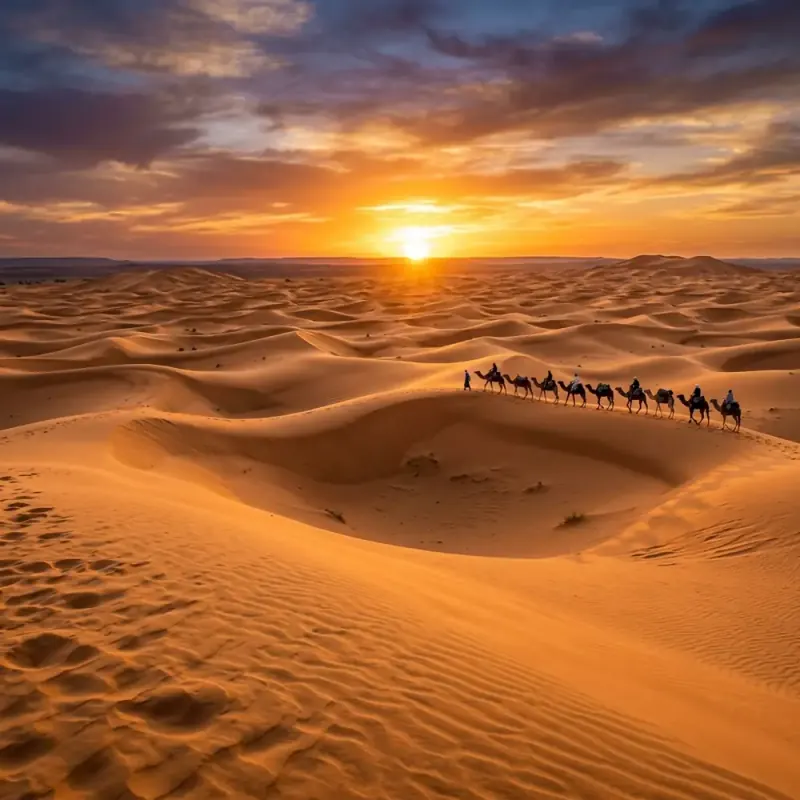
Dakhla sits at the extreme southern edge of Morocco, occupying a narrow forty-kilometer sandy peninsula that stretches southward into the Atlantic Ocean. On the eastern flank lies a sheltered, crystal-clear saltwater lagoon protected from oceanic swells; on the western flank crash the open Atlantic rollers. This unique coastal geography creates one of the most remarkable microclimates on the African continent, where constant trade winds, warm desert sunshine, and cool maritime currents converge.
For territorial researchers and travelers alike, Dakhla represents the living crossroads of Saharan nomadic culture and maritime Atlantic resourcefulness. Far removed from the high-density tourist circuits of Marrakech or Casablanca, Dakhla moves to the quiet rhythm of ocean tides and desert winds.
Geographic Setting and Climate Realities
The Dakhla peninsula, historically known as Rio de Oro (Oued Ed-Dahab), projects directly into the ocean from the western margin of the Sahara desert. This landform creates a calm lagoon spanning hundreds of square kilometers, shielded from heavy Atlantic groundswells by long sand spits.
The climate here defies typical continental desert extremes:
- Year-Round Temperatures: Daily averages stay between 22°C and 28°C throughout the year, tempered by maritime breezes and the cold Canary Current flowing southward.
- Constant Wind Patterns: Northern and northeasterly trade winds blow over three hundred days per year, averaging between fifteen and twenty-five knots.
- Minimal Rainfall: The region receives less than fifty millimeters of rainfall annually, making clear blue skies and dry air the permanent baseline.
- Tidal Swings: The lagoon experiences dramatic tidal changes twice daily, exposing wide sandbars and opening walking paths across shallow waters at low tide.
Reaching Dakhla requires planning. Royal Air Maroc operates daily domestic flights connecting through Mohammed V International Airport in Casablanca, touching down at Dakhla Airport (VIL). Overland travel from Agadir involves a scenic but grueling twelve-hundred-kilometer drive down the coastal Route Nationale 1.
The Global Kitesurfing Capital
Dakhla has transformed over the past two decades from a sleepy military outpost and artisanal fishing village into the premier kitesurfing and wing-foiling destination on the planet. World championships take place along the lagoon shores, drawing athletes who spend winter seasons training on its flat waters.
Several distinct riding zones surround the peninsula:
1. The Main Lagoon
Lined with specialized eco-camps and sports centers, the lagoon offers waist-deep, flat water conditions ideal for beginners learning water starts, as well as freestyle riders throwing unhooked maneuvers without chop.
2. The Speed Spot
Located along the eastern sandbar at low tide, this offshore wind point creates glassy flat water where riders reach high velocities parallel to the shoreline.
3. Lassarga
At the southern tip of the peninsula, Lassarga delivers clean, peeling Atlantic point-break waves that run for hundreds of meters, making it a world-class playground for wave kitesurfing and traditional surfing.
4. Foum Labouir
Positioned north on the Atlantic coast, Foum Labouir provides consistent right-hand point breaks over sandy rock shelves, suited for experienced surfers and kiters seeking raw Atlantic power.
Aquaculture and Gastronomy: The Oyster Farms of Boutalha
While the Sahara evokes images of dates and camel milk, Dakhla boasts one of the most pristine marine ecosystems in the world. The cold, nutrient-rich upwelling waters along the southern coast create ideal conditions for shellfish farming.
At Parc Ostréicole Boutalha, located along the lagoon rim, local cooperatives cultivate millions of Pacific cupped oysters (Crassostrea gigas). Visitors can sit at rustic wooden tables directly over the water to sample oysters harvested minutes earlier. Served chilled with fresh lemon wedges and a light red onion vinaigrette, these oysters carry a crisp, briny sweetness with zero oceanic pollution.
Beyond oysters, the coastal waters yield abundant catches:
- Wild Sea Bass and Grouper: Caught daily by local wooden longline boats and grilled whole over charcoal with coarse salt and cumin.
- Fresh Octopus (Octopus vulgaris): Tenderized by local fishermen and simmered in light tomato-garlic broths or chilled in lemon-dressed seafood salads.
- Camel Tagine with Dates: In town, traditional Sahrawi restaurants prepare camel meat (Ibil) slow-cooked with prunes, onions, and saffron until the dense, lean meat falls tenderly off the bone.
Desert Excursions: The White Dune and Thermal Springs
Venturing beyond the water reveals the stark grandeur of the desert landscapes surrounding the lagoon.
La Dune Blanche (The White Dune)
This massive, sugar-white sand barchan dune rises directly out of the lagoon waters like an isolated desert island. At high tide, the sea encircles the dune completely; at low tide, vast sandflats emerge where fiddler crabs scurry across wet sediment and pink flamingos feed in shallow pools. Climbing to the dune summit offers a panoramic vista over turquoise waters set against golden Saharan expanses.
Asnaa Hot Sulfur Springs
Situated forty kilometers north of the town, thermal groundwater shoots from deep bedrock wells at roughly 38°C. Rich in natural sulfur, calcium, and mineral salts, the warm jet provides therapeutic outdoor showers known locally for relieving joint pain and muscle fatigue after long days on the water.
Dragon Island (Île du Dragon)
A low-lying rocky island shaped like a sleeping dragon resting in the center of the lagoon. During low spring tides, adventurous travelers can walk across the shallows to explore its hermit crab colonies and untouched limestone shelves.
Sahrawi Culture and Nomadic Tea Customs
Dakhla is anchored by the deep cultural traditions of the Sahrawi people, whose nomadic lifestyle shaped survival strategies across Western Sahara for centuries. Central to this heritage is the elaborate Hassani tea preparation (Atay Hassani).
Unlike northern Moroccan tea, Sahrawi tea preparation follows strict ceremonial stages:
- The Charcoal Majmar: The tea maker sits cross-legged on sheepskin rugs behind a low brass tray, heating the teapot over glowing charcoal embers.
- Extended Aeration: Gunpowder green tea leaves boil vigorously with water before being poured back and forth between glass tumblers from great heights. This aerates the liquid and builds a thick, velvet froth (Raghwa).
- Three Sequential Glasses: Three separate rounds are served across an hour of quiet conversation. The first glass is bold and intensely bitter; the second is balanced with sweet wild mint; the third is mild and sweet, perfumed with amber or musk.
- Social Meaning: Rejecting a glass of Sahrawi tea or rushing the host violates basic desert hospitality codes. Taking the time to sit, observe the pouring, and sip slowly signals mutual respect.
Practical Logistics and Respectful Exploration
Planning a trip to Dakhla requires understanding local infrastructure realities:
- Transportation: The town of Dakhla itself is modest, with functional administrative buildings, active fishing markets, and family-run bakeries. The eco-camps sit twenty to thirty kilometers north along the lagoon. Renting a 4x4 vehicle or arranging camp transfers is essential for exploring beyond your accommodation.
- Currency and Payments: Larger eco-resorts accept international credit cards, but cash (Moroccan Dirham) is necessary for fuel stations, small town pharmacies, oyster shacks, and souk purchases. ATMs operate in the town center along Avenue Mohammed VI.
- Environmental Stewardship: The Dakhla lagoon is a fragile wetland sanctuary recognized by the Ramsar Convention. Travelers must practice strict leave-no-trace ethics: take all plastic trash back to camps, avoid disturbing migratory flamingos and terns, and conserve fresh water, which is a precious resource trucked or desalinated on the peninsula.
Frequently Asked Questions
When is the best time to visit Dakhla for kitesurfing and sightseeing?
The wind is most reliable from April through October, when trade winds blow consistently above twenty knots. For travelers seeking calmer weather, warmer ocean swims, and birdwatching, November through March offers comfortable daytime temperatures around 23°C and lighter breezes, making it pleasant for desert excursions and relaxation.
Do I need a four-wheel-drive (4x4) vehicle to visit Dakhla?
A standard rental car is sufficient for driving on the paved highway between the airport, town, and main lagoon eco-resorts. However, reaching the White Dune, remote desert tracks, or secluded Atlantic wave spots like Punta Negra requires a sturdy 4x4 vehicle with high clearance and an experienced local desert driver who understands tidal schedules.
Is Dakhla safe for international travelers and solo visitors?
Dakhla is exceptionally safe, quiet, and welcoming. The region maintains a strong, visible security presence along transit routes, and local residents treat visitors with genuine warmth. As with any rural region, respect local cultural norms by dressing modestly when visiting public markets and residential quarters in town.
What should I pack for a trip to Dakhla?
Pack lightweight, breathable layers for warm daytime sun, strong UV sunglasses, high-SPF reef-safe sunscreen, and a windbreaker or fleece for evenings when desert winds cool rapidly. If kitesurfing, bring your own shorty or 3/2mm wetsuit, booties for shallow lagoon shells, and personal harness gear.
Experience the true heart of Moroccan heritage through its culinary traditions. Join us in preserving and honoring these ancestral recipes.
What People Are Saying
No comments yet. Be the first — we'd love to hear from you.
Houssam Elmrabet
Culturally Verified & Fact-CheckedHoussam Elmrabet is a Moroccan researcher in territorial marketing and cultural heritage preservation. His work documents regional gastronomic identities, local agricultural heritage, and how ancestral culinary traditions define authentic territorial branding across the Kingdom.