Is Moroccan Food Healthy? sharing the Magic of Our Mediterranean Connection
Is Moroccan Food Healthy? sharing the Magic of Our Mediterranean Connection
Marhaba. Welcome to my table. If you were sitting across from me right now in my dining room, the first thing I would do is pour you a steaming glass of mint tea, lifting the silver teapot high to create that perfect, frothy crown. Then, we would tear into warm, crusty bread, dipping it into a shallow pool of grassy, unfiltered olive oil from my family’s grove in the foothills of the Atlas Mountains.
As a Moroccan culinary writer who has spent decades hovering over bubbling tagines and pounding spices in a brass mortar, I am frequently asked one burning question by guests and readers alike: Is Moroccan food healthy?
The short answer is a resounding yes. The longer, more nuanced answer is a fascinating adventure into the heart of what nutritionists laud as the gold standard of healthy eating: the Mediterranean Diet. But Moroccan cuisine offers a uniquely North African spin on this famous lifestyle, infusing it with potent spices, ancient preserving techniques, and an ingrained philosophy of balance.
Let's pull back the curtain on the Moroccan kitchen and explore why the food we eat to nourish our souls is, inherently, doing wonders for our bodies.
The Moroccan Kitchen: A Vibrant Blend of the Mediterranean Diet
When people think of the "Mediterranean diet," their minds often drift immediately to coastal Italy or the Greek islands. Yet, Morocco boasts an extensive Mediterranean coastline, and our culinary DNA is undeniably, proudly Mediterranean.
At its core, the Mediterranean diet is characterized by a high intake of vegetables, legumes, fruits, unrefined cereals, and olive oil; a moderate to high intake of fish; a moderate intake of dairy products (mostly cheese and yogurt); and a low intake of non-fish meat.
If you look closely at a traditional Moroccan pantry, it mirrors this pyramid perfectly, but with a flair that is distinctively our own. Our cuisine is a proof to the land's agricultural abundance. We don't just eat vegetables; we celebrate them. A standard Moroccan meal doesn't begin with a heavy appetizer; it begins with an array of cooked salads—kemia—served in small, vibrant dishes.
Think of Zaalouk, a smoky, velvety dip of roasted eggplants and tomatoes, heavily laced with garlic and cumin. Think of Taktouka, a bright, sweet-and-savory salad of roasted bell peppers. Think of simple grated carrots glistening with fresh orange juice and a whisper of orange blossom water. Before you have even reached the main course, you have consumed a rainbow of antioxidants, vitamins, and dietary fiber.
Liquid Gold: The Reign of Moroccan Olive Oil
In a Moroccan kitchen, olive oil—zit zaitoun—is not merely a cooking fat; it is the lifeblood of our cuisine. Growing up, I remember my grandmother buying olive oil not in dainty glass bottles, but in massive, 30-liter plastic jugs directly from the press in November. The scent was intoxicating—green, peppery, and alive.
We use olive oil with joyful abandon. We cook our tagines in it, we drizzle it over our salads, we fold it into our semolina flatbreads (harcha), and we eat it for breakfast with nothing more than a pinch of cumin and warm bread.
Scientifically, the health benefits of this liquid gold are well-documented. Extra virgin olive oil is loaded with monounsaturated fats, specifically oleic acid, which is renowned for reducing inflammation and having beneficial effects on genes linked to cancer. It is brimming with antioxidants, like oleocanthal, which has been shown to work similarly to ibuprofen in the body. When you ask if Moroccan food is healthy, you are essentially asking about the health benefits of olive oil, because it touches nearly everything we eat.
Spices as Medicine: The Apothecary in the Pantry
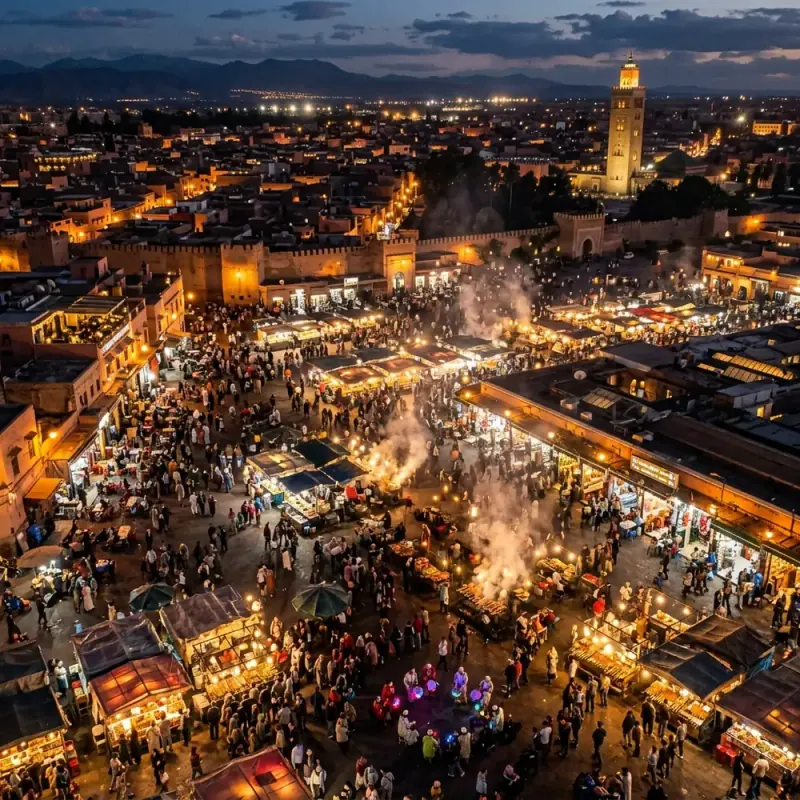
If olive oil is the lifeblood of Moroccan food, spices are its heartbeat. Walk through any traditional souk in Marrakech or Fes, and the air is thick with a heady perfume that is impossible to forget. But our spice blends are not simply about titillating the palate; they are an ancient apothecary.
Long before we understood the molecular biology of antioxidants, Moroccan grandmothers understood the healing power of spices.
Turmeric and Ginger: The Anti-inflammatory Duo
Look at almost any traditional Moroccan recipe—a chicken tagine with preserved lemons, a hearty harira soup—and you will find a base of turmeric (kharkoum) and ginger (skinjbir). Turmeric contains curcumin, a compound with powerful anti-inflammatory and antioxidant properties. We consume it daily, and crucially, we almost always pair it with black pepper (which enhances curcumin absorption by 2,000%) and olive oil (since curcumin is fat-soluble). It is as if our ancestors intuitively knew the precise biochemical combination to find the spice's healing potential.
Ginger, another staple, is legendary for its digestive benefits and its ability to combat nausea and reduce muscle pain. A warming, ginger-heavy broth is the Moroccan panacea for everything from a cold to a broken heart.
Cinnamon, Cumin, and the Magic of Ras el Hanout
Cinnamon (karfa) graces both our sweet and savory dishes, famously dusted over the top of a chicken pastilla or a simple orange salad. Beyond its warming sweetness, cinnamon is a powerhouse for regulating blood sugar levels and improving insulin sensitivity.
Cumin (kamoun) is so highly regarded that it sits in a small shaker on the dining table alongside salt. It aids in digestion, increases the activity of digestive enzymes, and is exceptionally rich in iron.
And then there is Ras el Hanout, the legendary "head of the shop" spice blend that can contain anywhere from 10 to 40 different spices, including cardamom, nutmeg, mace, cloves, and sometimes even dried rose petals. This complex blend is a concentrated dose of plant compounds that fight oxidative stress and inflammation in the body.
Vegetables, Legumes, and the Plant-Forward Reality
There is a common misconception, often fueled by restaurant menus catering to tourists, that Moroccan food is incredibly meat-heavy. While a towering tagine of lamb and prunes is indeed a masterpiece, it is historically feast food—reserved for weddings, religious holidays, or honoring a special guest.
The traditional, everyday Moroccan diet is remarkably plant-forward. Meat was traditionally used more as a flavoring agent than the main event. A small piece of meat would be slowly braised with a mountain of seasonal vegetables—artichokes and peas in the spring, pumpkins and caramelized onions in the autumn.
besides, legumes are the unsung heroes of the Moroccan table. Go to any working-class neighborhood in Casablanca at lunchtime, and you will smell the earthy, garlicky aroma of Loubia (stewed white beans) or Addis (stewed lentils). These dishes are the backbone of Moroccan home cooking. They are incredibly cheap, immensely satisfying, and nutrition powerhouses. Legumes provide complex carbohydrates, an abundance of fiber, and crucial plant-based protein. When you pair a bowl of lentil stew with a piece of whole-grain bread, you are consuming a complete protein profile, zero cholesterol, and enough fiber to keep your blood sugar remarkably stable.
Complex Carbohydrates: Rethinking Couscous and Bread
It is impossible to talk about Moroccan food without talking about carbohydrates. We are a bread-eating culture. Khobz is our utensil; it is how we scoop up our tagines and salads. We also gave the world couscous.
In the West, carbohydrates have been villainized, leading many to assume that a diet high in bread and couscous must be unhealthy. The nuance lies in the grain and the preparation.
Traditionally, Moroccan bread was not made from highly refined, bleached white flour. It was made from whole wheat, barley, or semolina. Many rural households still use khmira beldia, a natural sourdough starter, rather than commercial yeast. This fermentation process breaks down gluten, lowers the glycemic index of the bread, and makes the nutrients in the grain more bioavailable.
The same goes for couscous. While the quick-cooking, refined white couscous is popular in Western supermarkets, traditional Moroccan couscous is often made from whole wheat or barley (belboula). also, the authentic preparation of couscous—steaming it slowly three times over a bubbling broth of vegetables and meat—plumps the grains without the need to drown them in heavy fats. A Friday bowl of seven-vegetable couscous is a masterclass in balanced nutrition: complex carbs, a rainbow of vegetable fiber, and a modest portion of protein.
Preserving the Harvest: Fermentation and Pickling
Another vital, health-promoting aspect of the Moroccan diet is our tradition of preserving. The most famous example, of course, is the preserved lemon (l'hamd mrakad). Lemons packed in salt and their own juices undergo a lacto-fermentation process. Over months, the rind softens into a fragrant, umami-rich condiment that defines Moroccan flavor.
We also cure olives in myriad ways—cracked green olives with garlic and thyme, or oil-cured black olives that are wrinkled and intense. These fermented and cured foods introduce beneficial probiotics into the diet, supporting a healthy gut microbiome, which modern science is increasingly recognizing as the foundation of overall health and immunity.
Nuances and Navigating the Modern Moroccan Diet
As an expert who loves her culture deeply, I must also be honest about the nuances. Is every aspect of modern Moroccan eating perfectly healthy? No. Like many cultures, we have seen shifts in our dietary habits that pose challenges.
We have an undeniable sweet tooth. Moroccan mint tea—our national obsession, poured generously from morning till night—is traditionally heavily sweetened. A single small glass can contain several teaspoons of sugar. Our pastries, while exquisite (think of Cornes de Gazelle filled with almond paste and orange blossom water, or Chebakia drenched in honey for Ramadan), are calorie-dense and meant to be occasional treats, not daily staples.
also, urbanization has led to an increase in the consumption of refined flours and a shift away from the labor-intensive, vegetable-heavy cooking of our grandmothers toward more convenient, meat-heavy, or fried options.
However, the traditional framework remains robust and highly accessible. If you eat the way a Moroccan grandmother cooks—prioritizing seasonal vegetables, relying heavily on legumes, using olive oil as the primary fat, deploying spices generously, and treating meat as a modest addition rather than the focal point—Moroccan food is undeniably one of the healthiest, most joyful ways to eat on the planet.
The Soul of Moroccan Health
Ultimately, the healthfulness of Moroccan food cannot be measured merely in macros, vitamins, and antioxidants. In Morocco, food is not fuel; it is communion. We do not eat on the go, alone in our cars, or staring at a screen. We eat together, gathered around a single communal dish, breaking bread with our hands.
This communal style of eating naturally slows us down. It fosters connection, laughter, and a deep sense of belonging. The psychological benefits of this shared ritual—reduced stress, increased happiness, and mindful consumption—are just as critical to our well-being as the omega-3s in our olive oil or the curcumin in our tagines.
So, the next time you dip a piece of warm bread into a vibrantly spiced Moroccan stew, know that you are doing more than just pleasing your palate. You are participating in an ancient, Mediterranean tradition of wellness, nourishing your body, and, most importantly, feeding your soul. Besseha—to your health.
Frequently Asked Questions (FAQ)
Is it possible to eat a vegetarian or vegan diet in Morocco?
Absolutely. While modern restaurant menus may highlight meat, traditional Moroccan home cooking is incredibly plant-forward. Dishes like Zaalouk (eggplant and tomato salad), Loubia (stewed white beans), Bissara (fava bean dip), and vegetable couscous are naturally vegan and form the cornerstone of the everyday Moroccan diet.
Why is Moroccan food considered part of the Mediterranean diet?
Morocco is geographically located on both the Atlantic Ocean and the Mediterranean Sea. Our agriculture and culinary traditions rely on the core pillars of the Mediterranean diet: abundant use of extra virgin olive oil, whole grains, seasonal vegetables, legumes, and a moderate consumption of dairy and meat, all flavored with local herbs and spices.
Are Moroccan tagines healthy?
Yes, traditional tagines are very healthy. The conical shape of the tagine pot traps steam, allowing tougher cuts of meat and dense vegetables to braise slowly in their own juices with minimal added fat. A typical tagine is rich in vegetables, lean proteins, and anti-inflammatory spices like turmeric and ginger.
How can I make Moroccan mint tea healthier?
Traditional Moroccan mint tea is heavily sweetened. To enjoy the antioxidant benefits of the green tea and fresh mint without the sugar crash, simply ask for it "mesous" (without sugar) or with just a small pinch of sugar if you are ordering in a cafe. At home, you can sweeten it lightly with a touch of natural honey.
Is couscous a healthy carbohydrate?
Traditional Moroccan couscous, especially when made from whole wheat semolina or barley (belboula), is a complex carbohydrate rich in fiber and protein. It becomes unhealthy only when highly refined versions are consumed in massive portions or drenched in heavy, butter-laden sauces instead of traditional, nutrient-dense vegetable broths.
Image Prompts for Blog Post
1. Traditional Family Dining Table
- Subject: A rustic, overhead view of a traditional Moroccan dining table set for a family meal. A large, beautiful ceramic plate of seven-vegetable couscous sits in the center, surrounded by small, vibrant dishes of cooked salads (Zaalouk, Taktouka), a basket of crusty whole-wheat round bread, and a small dish of olives.
- Vibe: Warm, communal, inviting, and abundant.
- Style: Editorial food photography, natural window lighting, rich earthy colors.
- Format: Landscape (16:9)
2. Pouring Olive Oil Over Loubia
- Subject: A close-up, dynamic shot of a pair of hands pouring thick, golden-green olive oil from a rustic ceramic jug over a bowl of hearty white bean stew (Loubia). A piece of torn, rustic bread rests on the edge of the bowl.
- Vibe: Earthy, comforting, authentic.
- Style: Macro/close-up, shallow depth of field, highlighting the texture of the beans and the viscosity of the oil.
- Format: Portrait (4:3)
3. Vibrant Moroccan Spice Souk
- Subject: A lively Moroccan spice market stall (souk). A close-up of vibrant, conical mounds of spices—bright yellow turmeric, deep red paprika, earthy cumin, and warm cinnamon. In the slightly blurred background, an older spice merchant is scooping spices.
- Vibe: Energetic, aromatic, ancient, and colorful.
- Style: Travel/documentary photography, vibrant color grading, natural dappled sunlight filtering through slatted roofs.
- Format: Landscape (16:9)
4. Steaming Chicken and Lemon Tagine
- Subject: A traditional clay tagine pot with its lid slightly lifted, releasing a plume of fragrant steam. Inside, tender chunks of chicken are simmering in a rich yellow saffron and turmeric sauce, adorned with bright yellow preserved lemons and green olives.
- Vibe: Cozy, appetizing, and magical.
- Style: Moody food photography, dark background, dramatic side-lighting highlighting the steam and the vibrant colors of the dish.
- Format: Square (1:1)
5. Fresh Moroccan Mint Tea Tray
- Subject: A close-up of a steaming glass of Moroccan mint tea with fresh mint leaves bursting from the top. The glass sits on a hammered silver tray next to a small, intricate silver teapot. A few raw almonds and dates are scattered on the tray.
- Vibe: Relaxing, hospitable, elegant.
- Style: Bright and airy, soft morning light, focusing on the condensation on the glass and the vivid green of the mint.
- Format: Portrait (4:3)
Experience the true heart of Moroccan heritage through its culinary traditions. Join us in preserving and honoring these ancestral recipes.
What People Are Saying
No comments yet. Be the first — we'd love to hear from you.
Youssef Amazigh
Culturally Verified & Fact-CheckedThe Moroccan Food editorial team brings together native culinary researchers, heritage preservationists, and experienced home cooks across Marrakech, Fes, and Casablanca. Every recipe and cultural guide is reviewed against ancestral oral traditions and authentic regional practices.