Jben: The Fresh Mountain Artisan Cheese of the Rif and Middle Atlas
archived: false
When travelers think of Moroccan cuisine, slow-simmered tagines, mountain breads, and sweet almond pastries immediately come to mind. Yet hidden within the mist-shrouded limestone peaks of the Rif mountains and the cedar plateaus of the Middle Atlas lies an ancient pastoral dairy tradition that produces one of the Mediterranean’s finest fresh cheeses: Jben (also spelled Djben or Jbeena).
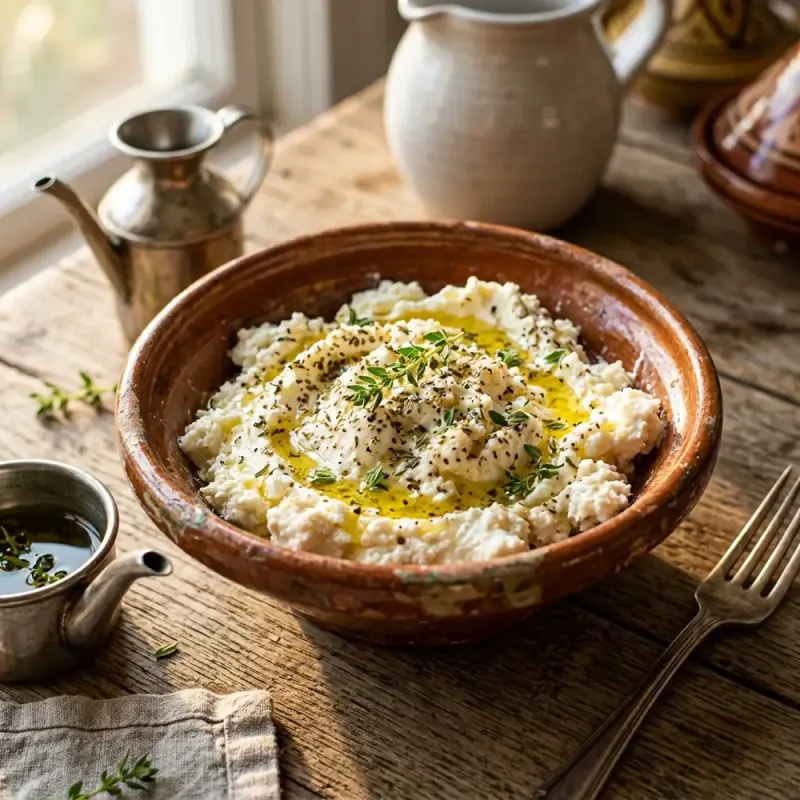
Neither aged nor pressed into hard rinds, traditional Jben is a fresh, curd-style raw goat’s or cow’s milk cheese celebrated for its clean, milky acidity, delicate crumbly texture, and grassy herbal finish. In mountain towns like Chefchaouen, Tetouan, and Ouezzane, no morning breakfast table is complete without a freshly drained round of Jben resting atop woven palm fronds, drizzled with deep green olive oil and scooped with warm barley flatbread.
Pastoral Roots: The Mountain Goats of the Rif
The soul of Jben is inseparable from the indigenous black-and-brown mountain goats (Chèvre Beldia) that graze freely across the rocky slopes of the Rif mountains. These hardy animals graze on wild herbs, mountain thyme (Zaitra), rosemary, lavender, mastic bush leaves, and wild acorns. The essential oils from these wild botanicals pass directly into the goats’ milk, giving mountain Jben an unmistakable terroir that cannot be matched by industrial lowland dairy farms.
Historically, Amazigh shepherd families turned surplus morning milk into fresh cheese to preserve nourishment without electricity or refrigeration. Because mountain villages possessed neither metal molds nor commercial rennet, they developed ingenious botanical cheesemaking methods using wild plants growing along canyon streams.
Vegetable Rennet: The Wild Artichoke Thistle
While contemporary dairy producers often use microbial or calf rennet, traditional rural cheesemakers in the Rif preserve the use of natural vegetable coagulants derived from the wild artichoke cardoon (Cynara cardunculus, known locally as Harchaf Beldi or Boukhechba):
- Harvesting the Pistils: During early summer, the purple filamentous flower heads of wild cardoon thistles are collected from rocky pastures and dried in shaded verandas.
- The Herbal Infusion: Dried cardoon stamens are steeped in warm water or crushed in a brass mortar to release natural enzymes (Cynarases).
- The Gentle Curd: When this bitter herbal extract is stirred into fresh, lukewarm raw goat’s milk, the enzymes gently cleave milk proteins within forty-five minutes, forming a soft, silky junket curd without animal rennet. This plant-based coagulation imparts a faint, pleasant herbal sharpness to the curd.
The Woven Palm Mat: Art of the Hassira
The distinctive basket-weave pattern stamped onto the exterior of traditional Jben rounds is not decorative; it is the imprint of the Hassira (or Doum basket), a small, flexible drainage mat hand-woven from wild dwarf palm leaves (Chamaerops humilis).
The soft curds are ladled with wooden spoons into the woven palm sleeves. The mat is drawn tight around the cheese and suspended from wooden rafters. As whey drains through the natural palm fibers over six to twelve hours, the curd compacts gently under its own gravity, creating a cylindrical cheese that breathes and preserves natural moisture without becoming dry or rubbery.
When unwrapped at the morning souk in Chefchaouen, the white rounds display the unmistakable woven relief of the mountain palm fronds, carrying a faint herbal aroma from the fibers.
Jben at the Moroccan Table: Morning and Evening Rituals
Jben occupies a cherished place in northern Moroccan gastronomy, appearing in both simple rustic breakfasts and sophisticated banquet pastries:
1. The Mountain Medina Breakfast
A thick slice of fresh Jben set in a shallow earthenware dish, bathed in peppery cold-pressed olive oil, sprinkled with toasted cumin seeds and dried wild oregano, and served alongside hot mint tea and oven-baked barley flatbread (Khobz Beldi).
2. Briouats bil-Jben (Savory Cheese Pastries)
Fresh Jben is seasoned with minced fresh spearmint, a pinch of black pepper, and egg yolk, wrapped tightly inside gossamer-thin pastry leaves (Warqa) into crisp golden triangles, fried in oil, and dusted with powdered sugar or dipped in warm thyme honey.
3. Jben with Fresh Figs and Walnuts
In late summer, fresh ripe purple figs (Karmous) from the Rif mountains are sliced open and topped with a spoonful of cool Jben, a drizzle of wild mountain honey, and crushed walnuts, a dessert that rivals any European cheese plate.
Frequently Asked Questions
What does traditional Moroccan Jben taste like?
Authentic Jben is mild, creamy, and clean, with a gentle tangy lactic acidity similar to fresh Italian Ricotta or Greek Manouri, but with a firmer, slightly crumbly curd structure and subtle floral-herbal undertones from wild mountain pasture grazing.
Can I make fresh Jben at home without wild thistle rennet?
Yes. You can make an excellent home version using high-quality whole goat’s milk or whole cow’s milk. Heat the milk gently to 85°C (185°F), stir in fresh lemon juice or white vinegar with a pinch of sea salt, let the curds set off the heat for twenty minutes, then drain through a cheesecloth-lined sieve for two hours.
How long does fresh Jben keep?
Because traditional Jben contains no artificial chemical preservatives and maintains high moisture content, it is meant to be eaten fresh within three to five days of production. Keep it chilled in a covered glass container, draining any collected whey daily.
What is Jben M’yebbes?
Jben M’yebbes is a salted, sun-dried variation of Jben made by mountain shepherds for winter storage. The fresh cheese curds are heavily salted, wrapped in linen cloths, and dried on breezy rooftop racks until rock-hard, then grated over hot tagines and winter vegetable soups.
Experience the true heart of Moroccan heritage through its culinary traditions. Join us in preserving and honoring these ancestral recipes.
What People Are Saying
No comments yet. Be the first — we'd love to hear from you.
Samira
Culturally Verified & Fact-CheckedSamira researches rural foodways and wild mountain herbs across the High Atlas and Rif, championing local farmers and small-scale cooperatives.