Meknes: The Imperial City of the 100 Minarets and the Great Sultan
Meknes: The “Versailles of Morocco” and the Legacy of Moulay Ismaïl
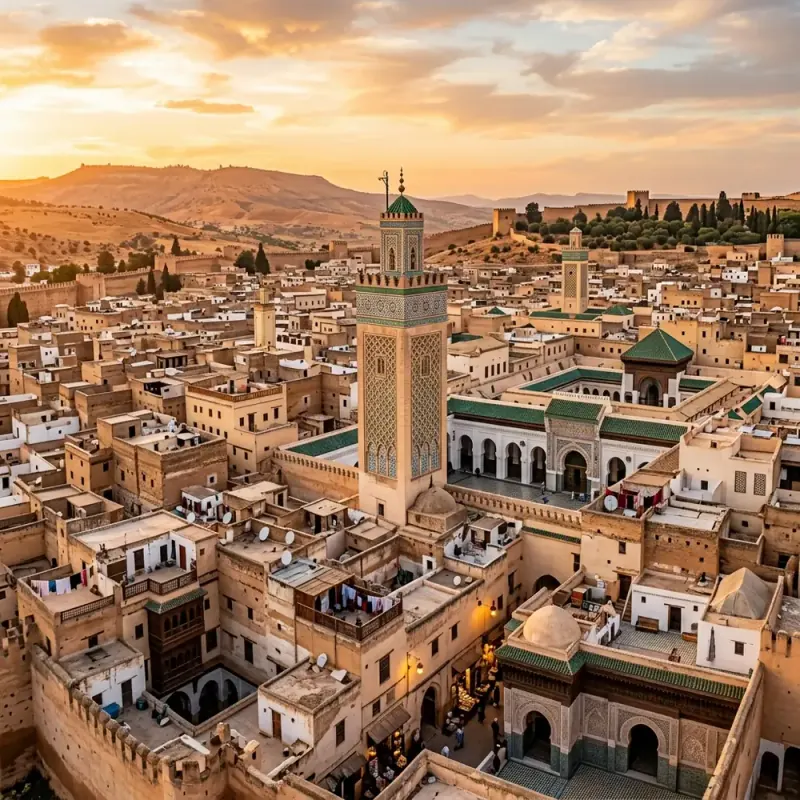
When my family wanted a quiet weekend away from the bustle, we always headed to the Imperial City of Meknes. While Marrakech and Fes often steal the spotlight, I’ve found that Meknes offers a more intimate, yet equally majestic, glimpse into our golden age. Built by the powerful Sultan Moulay Ismaïl in the 17th century, it was designed to be the grandest capital in the world, surrounded by 40 kilometers of walls and some of the most stunning gates I’ve ever seen.
The Giant of the Walls: Bab Mansour
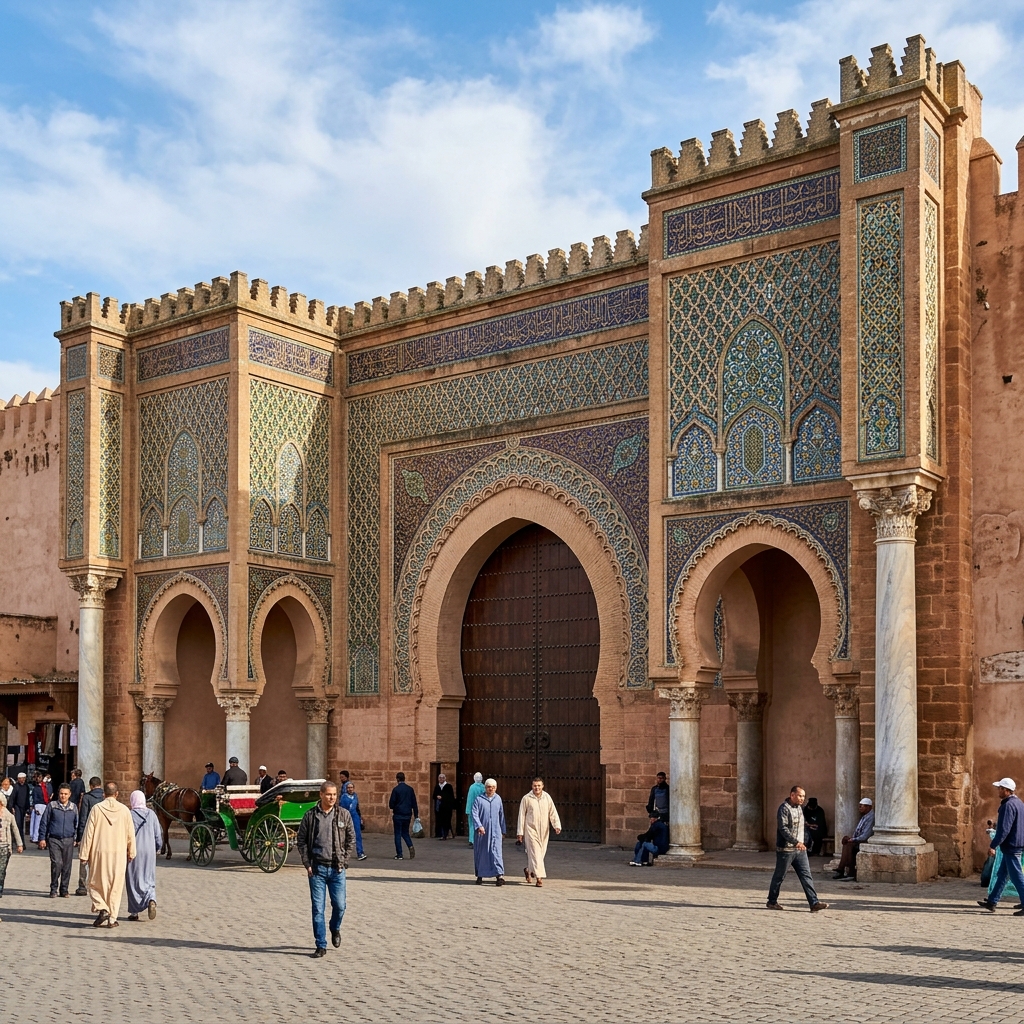
The most iconic symbol of Meknes is Bab Mansour la Alleuj, widely considered the most beautiful gate in Morocco and perhaps in North Africa.
- The Story of the Architect: Legend says the Sultan asked the architect if he could do better, and when he said yes, he was executed—a darker tale that adds to the gate’s mystery.
- The Architectural Detail: The gate is covered in intricate Zellige, marble columns salvaged from the Roman ruins of Volubilis, and a massive inscription in cursive Arabic script.
The Granaries and the Royal Stables: Heri es-Souani
Sultan Moulay Ismaïl was obsessed with his army and his horses. At Heri es-Souani, you can visit the remains of his massive granaries and stables.
- Engineering Marvel: The walls are four meters thick, designed to keep the interior cool even in the heat of the Saïss plain, ensuring that food for 12,000 horses could be stored for years.
- The Agdal Basin: A massive artificial lake next to the granaries, which served as both a reservoir for the city and a place for the royal troops to practice.
The Heart of the City: Lahdim Square
Lahdim Square is the Meknassi version of Jemaa El Fna, but with a more relaxed, local vibe.
- Street Life: Here you can enjoy traditional snacks, watch street performers, and soak in the view of the Bab Mansour at sunset.
- The Royal Mausoleum: Visit the final resting place of Moulay Ismaïl, a sanctuary of peace featuring some of the most refined plasterwork and tilework in Morocco.
Gastronomy: The Saïss Harvest
Meknes is surrounded by the fertile plains of the Saïss, making it a hub for agricultural excellence.
- Meknes Olives: Known for being the best in Morocco, specifically the “Picholine” variety.
- Zit l’Oud (Olive Oil): The oil from Meknes is spicy, green, and highly prized by chefs across the country.
Tips for Travelers in Meknes
- Visit Volubilis and Moulay Idriss: Meknes is the perfect base for a day trip to the Roman ruins and the special town of the first Moroccan Sultan.
- The 100 Minarets: Climb to a rooftop cafe in the medina to see why Meknes earned its nickname. The skyline is dominated by the green-tiled minarets of dozens of ancient mosques.
- A Slower Pace: Enjoy the fact that Meknes is less crowded than Marrakech. It is a city that invites you to walk and breathe.
An Imperial Secret
Meknes remains a city of quiet power, deep faith, and incredible harvests. It stands proudly as the legacy of a ruler who wanted to build a capital that would last forever. If you’re planning a trip to Morocco, make sure to add this peaceful imperial city to your itinerary, and tell me which gate was your favorite!
Frequently Asked Questions (FAQ)
Q1: Is Meknes walkable? A: Yes, most of the Imperial City and the medina can be explored on foot. For the royal granaries, which are a bit further out, a short petit-taxi ride is recommended.
Q2: Is Meknes safe for solo travelers? A: Extremely safe. Meknes is known for its calm and respectful atmosphere.
Q3: What is the best souvenir from Meknes? A: Besides olive oil, Meknes is famous for “Damascene” work (iron inlaid with silver) and high-quality leather goods.
Experience the true heart of Moroccan heritage through its culinary traditions. Join us in preserving and honoring these ancestral recipes.
What People Are Saying
No comments yet. Be the first — we'd love to hear from you.
H. Elmrabet
Culturally Verified & Fact-CheckedThe Moroccan Food editorial team brings together native culinary researchers, heritage preservationists, and experienced home cooks across Marrakech, Fes, and Casablanca. Every recipe and cultural guide is reviewed against ancestral oral traditions and authentic regional practices.