The Moroccan Diaspora: How Returning Moroccans Are Shaping the Country’s Future
The Moroccan Diaspora: How Returning Moroccans Are Shaping the Country’s Future
In Morocco, we refer to them as MREs — Marocains Résidant à l’Étranger (Moroccans Residing Abroad). There are over 5 million Moroccans living outside the country, representing roughly 15% of the total population. For a long time, their narrative was relatively fixed: they left to find work, they sent crucial remittances back to their families, and they returned for one month every August, driving heavily loaded cars off the ferries in Tangier to spend the summer in their ancestral towns.
But that narrative is changing rapidly. The summer visits still happen, but something much more permanent and structurally significant is taking place in 2026.
A new generation of the diaspora — highly educated, born or raised in Europe, North America, or the Gulf — is choosing to return to Morocco. They are not returning for the summer; they are returning to live, to invest, and to build. And they are changing the face of the Moroccan economy and cultural scene in the process.
The Reverse Brain Drain
To understand why they are coming back, you have to look at the push and pull factors.
The push factors from Europe are well documented: the glass ceiling that many professionals of North African descent face in corporate environments in France, Belgium, and the Netherlands; the rising political climate of Islamophobia; and the economic stagnation in parts of the Eurozone.
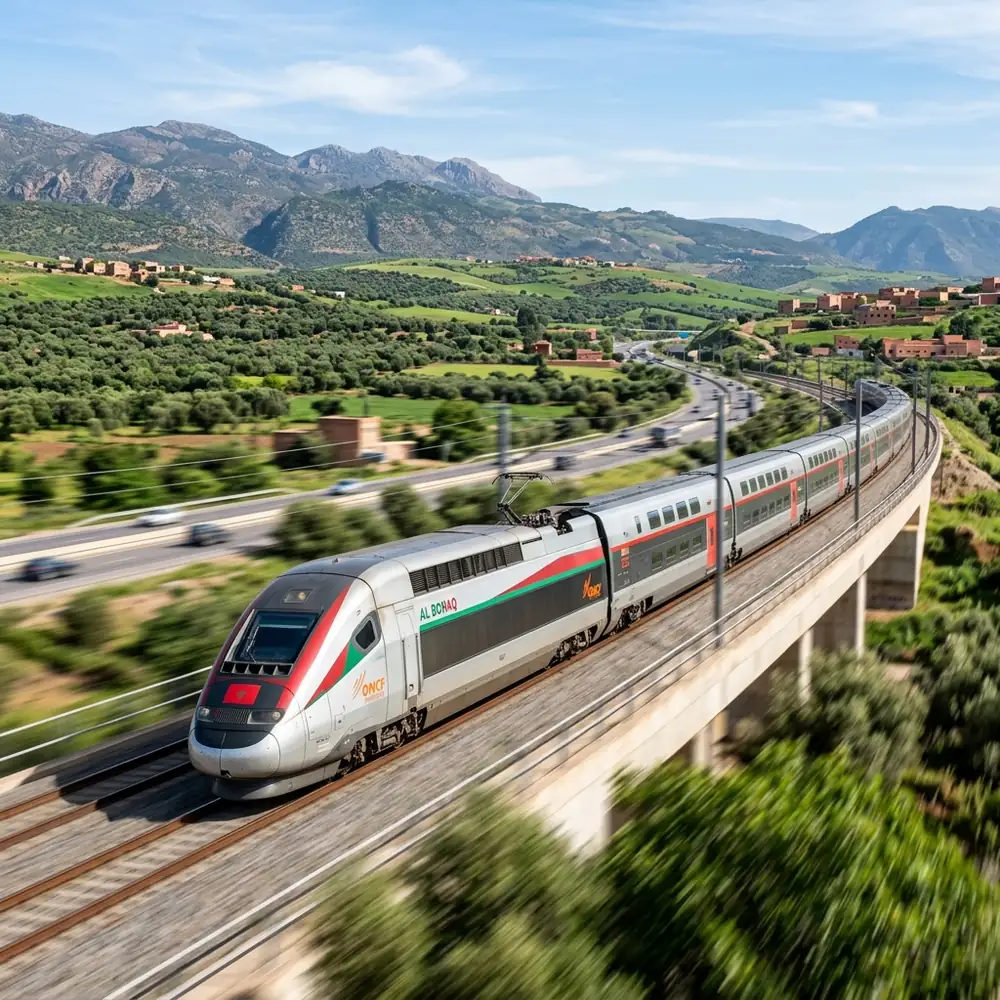
The pull factors from Morocco are far more exciting. Morocco has spent the last two decades heavily investing in massive infrastructure projects (Tanger Med port, high-speed rail, solar energy) and positioning itself as the financial and logistical gateway to Africa. Casablanca Finance City has become a major hub for multinationals operating on the continent.
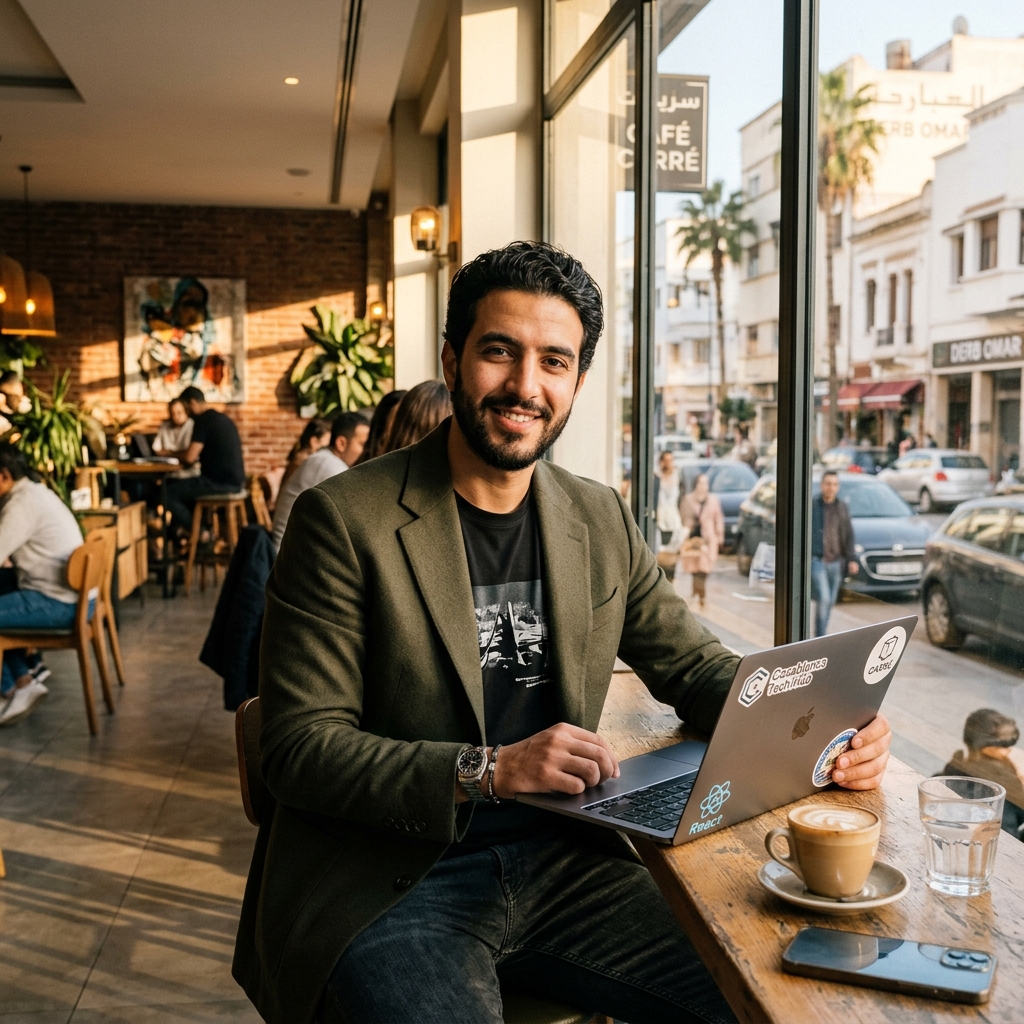
For a young Moroccan working in finance in London or tech in Paris, the math has changed. In Europe, they are one of thousands. In Casablanca, with their international experience, dual cultural fluency, and multilingualism, they are highly sought after. They arrive to take executive positions in multinationals, or increasingly, they arrive to start their own companies.
The Entrepreneurs and Innovators
I met a woman recently who had left a senior engineering position in Montreal to open a sustainable agritech firm near Marrakech. When I asked her why, she said, ‘In Canada, I was optimizing software. Here, my technology is helping farmers survive a drought. The impact is immediate.’
This is a common sentiment among the returning diaspora. They bring technical expertise and capital, but they also bring a disruptive mindset.
You see their impact clearly in the hospitality and design sectors. The recent boom in high-end, design-forward boutique hotels, contemporary Moroccan fashion brands, and modern culinary concepts (restaurants that fuse traditional Moroccan ingredients with fine-dining techniques) is heavily driven by returning Moroccans. They possess the unique ability to look at their own culture with both the deep understanding of a native and the aesthetic framing of an outsider, creating products that appeal hugely to the global market.
The Cultural Bridge
The returning diaspora acts as a vital cultural bridge. Because they have navigated multiple identities their entire lives — being Moroccan at home and French/Dutch/American in public — they understand how to translate Morocco to the world, and the world to Morocco.
We see this very in the arts. Moroccan contemporary art, cinema, and literature are experiencing a renaissance, often led by bi-cultural artists who split their time between Morocco and the diaspora. They tackle complex subjects — identity, migration, gender — with a nuance that transcends borders.
Even in sports, the diaspora’s impact is legendary. The Moroccan national football team that electrified the world by reaching the semi-finals of the 2022 World Cup was predominantly composed of players born in the diaspora (in the Netherlands, France, Spain, Belgium, and Canada) who explicitly chose to represent their parents’ homeland. That team became the ultimate symbol of how the diaspora feels about Morocco: an unbroken, passionate connection.
The Friction of Return
It is important to state that the return is not always seamless.
Moroccans raised abroad often experience a culture shock when navigating the Moroccan bureaucracy, which can be hierarchical, paper-heavy, and reliant on personal networks (pistons). The business culture here prioritizes relationships and face-to-face trust-building over the purely transactional efficiency expected in Northern Europe or the US.
There can also be a subtle social friction. Sometimes, returning MREs are viewed by locals as slightly arrogant or disconnected from the daily realities and struggles of those who never left. They are referred to colloquially as ‘Zmagria’ (a slang term for immigrants, sometimes used affectionately, sometimes pejoratively).
Learning to reintegrate — to accept Morocco for what it is, rather than what they want it to be based on their European expectations — is the great challenge for the returnee.
A Nation Reclaiming Its Own
Despite the friction, the trend is clear and accelerating. The government actively encourages this return, offering investment incentives and easing bureaucratic pathways for diaspora capital.
For decades, Morocco exported its physical labor. Today, it is importing its intellectual capital. These returning sons and daughters are bringing the world back to Morocco, helping to build a country that is deeply rooted in its African and Arab-Islamic identity, but entirely fluent in the language of the global future.
Experience the true heart of Moroccan heritage through its culinary traditions. Join us in preserving and honoring these ancestral recipes.
What People Are Saying
No comments yet. Be the first — we'd love to hear from you.
Driss Benali
Culturally Verified & Fact-CheckedThe Moroccan Food editorial team brings together native culinary researchers, heritage preservationists, and experienced home cooks across Marrakech, Fes, and Casablanca. Every recipe and cultural guide is reviewed against ancestral oral traditions and authentic regional practices.