The Moroccan Mule: A Mint Tea Cocktail Born Between Marrakech and Moscow
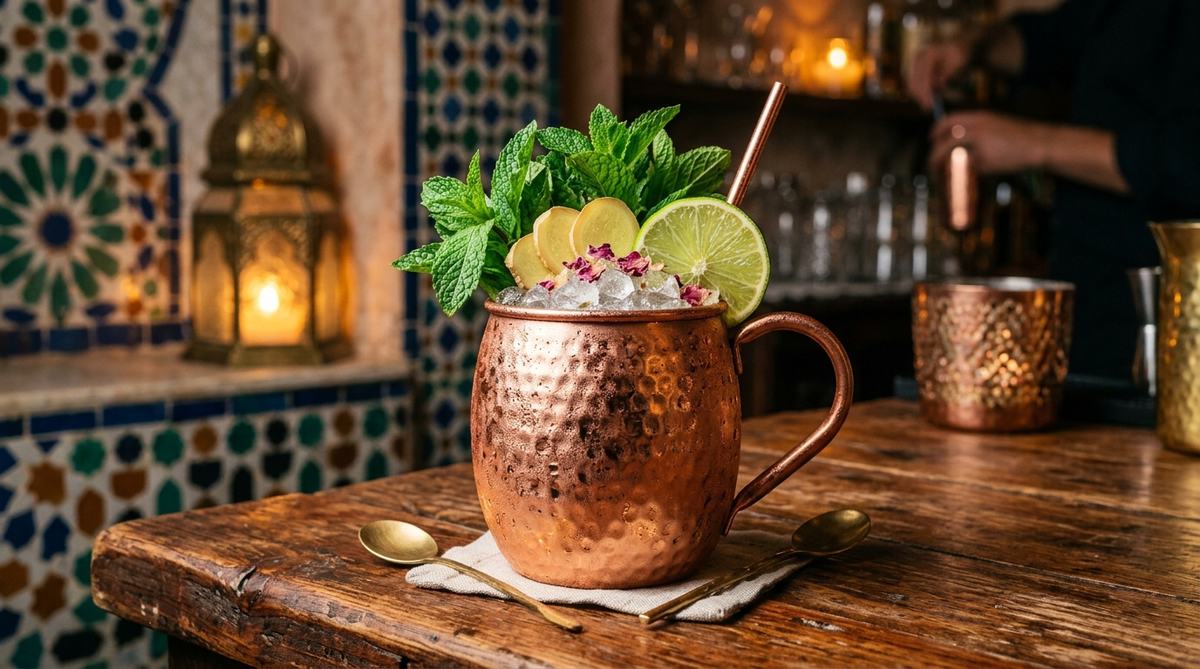
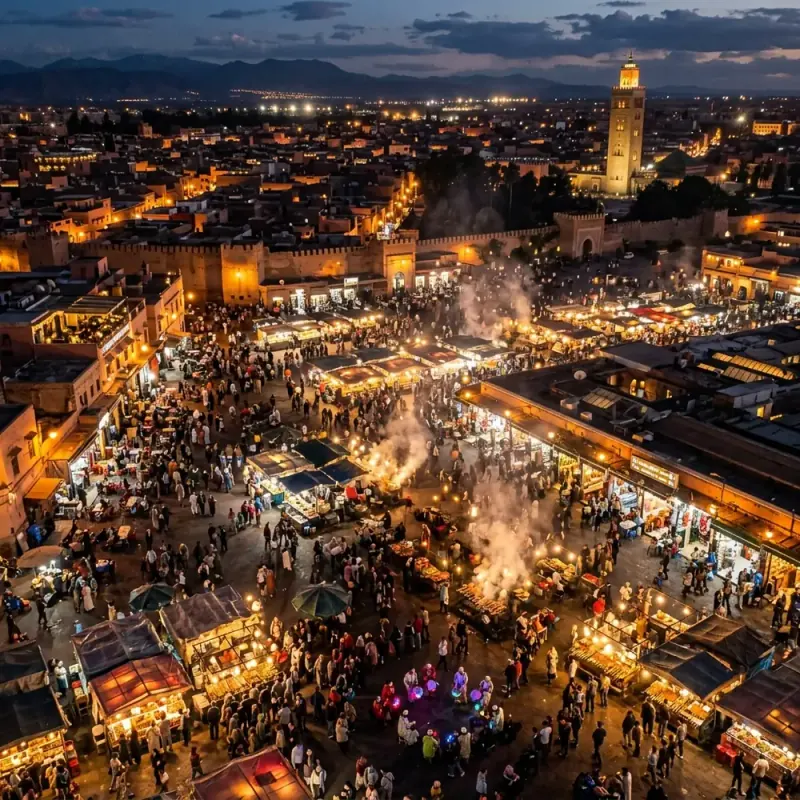
There is a rooftop bar in Marrakech — I will not name it, because places like this deserve to be discovered rather than directed toward — where the bartender has been making the same drink since 2019. He calls it the Moroccan Mule. It arrives in a hammered copper mug still cold from the freezer, a crown of fresh naânaâ (Moroccan spearmint) spilling over the rim, and when you lift it to your lips the first thing you smell is not alcohol, not ginger, but the particular bright-herbaceous perfume of Moroccan mint at its best. That first sip tells you immediately that this is not an adaptation. It is a destination.
Where the Moscow Mule Came From — and Why Morocco Made It Better
The Moscow Mule was invented in 1941 in Los Angeles, a piece of post-Prohibition marketing genius designed to sell two slow-moving products simultaneously: Smirnoff vodka and Cock ‘n’ Bull ginger beer. The copper mug was an afterthought that became the drink’s most enduring signature. The formula is simple — vodka, ginger beer, lime juice, mint — and that simplicity is both its virtue and its limitation.
The genius of the Moroccan Mule is in understanding which parts of that formula are fixed and which parts are waiting to be reconsidered. The copper mug stays. The ginger beer stays, though we may adjust its heat. The lime stays, though we might add orange blossom water alongside it. And the mint — the mint is where the whole conversation changes.
Regular peppermint or spearmint, the kind that appears in most Western cocktails, is fine. Moroccan naânaâ is extraordinary. It is a form of spearmint (Mentha spicata) grown in the cool mountain valleys of the Middle Atlas and the irrigated gardens of Marrakech, with a higher concentration of essential oils than most commercially grown mint. When you slap a handful between your palms before dropping it into a drink, the oils release in a wave that changes the air. It is simultaneously more delicate and more intense than ordinary mint — sweeter in its top notes, with a clean finish that does not leave the medicinal aftertaste some peppermint varieties carry.
This is why the Moroccan Mule is not merely a variation. It is a genuinely different experience.
The Key Ingredients, Understood Properly
Naânaâ: Moroccan Spearmint
The non-negotiable. If you can find Moroccan mint at a Middle Eastern or North African grocer, buy the freshest bunch available and keep it in a glass of water in the refrigerator. It stays fresh for three to four days this way. If you cannot find naânaâ specifically, use the freshest spearmint available — not peppermint, which will dominate the drink.
Orange Blossom Water (Maa Zahar)
Maa zahar (literally “flower water” — zahar meaning blossom, specifically orange blossom) is one of the great Moroccan pantry staples, used in pastry, tea, and increasingly in serious cocktail-making. A small amount — half a teaspoon, no more — added to the glass before the ginger beer transforms the drink’s aromatics completely. It lifts the citrus, softens the ginger’s heat, and adds a floral note that ties the Moroccan mint together.
Use a good-quality maa zahar — it should smell genuinely of orange blossom flowers, not like artificial flavouring. Moroccan and Lebanese brands available in Middle Eastern shops are generally excellent. A little goes a long way: too much and the drink becomes perfumed soap water. The right amount makes it sing.
Rosewater: The Lighter Alternative
Some versions of the Moroccan Mule use maa ward (rosewater) instead of orange blossom water, which gives a slightly more romantic, more dessert-adjacent result. Both work well; the choice depends on your mood and what you are eating alongside the drink. With savoury food (brochettes, zaalouk), orange blossom. With sweeter things (pastilla, almond pastries), rosewater.
The Spirit: Gin, Vodka, or Nothing at All
The classic Moroccan Mule can be made with either gin or vodka, and the choice genuinely matters. Vodka keeps the Moroccan ingredients at the front — the mint, the floral water, the ginger — and does not compete for attention. A clean, well-made gin, particularly a Mediterranean-style gin with citrus and botanical notes, can be spectacular in this drink, adding a complexity that rewards slow sipping. Avoid heavily juniper-forward London Dry gins, which will fight with the naânaâ rather than complement it.
For the non-alcoholic version, the drink loses nothing essential. If anything, without the spirit, you can taste the mint and orange blossom water more clearly, and the result is something closer to a sophisticated artisanal sharbat (cold spiced drink) than a conventional mocktail.
The Recipe: Moroccan Mule (Alcoholic)
Serves 1. Preparation time: 4 minutes.
Ingredients:
- 50ml vodka (or London Dry gin, if you prefer botanical complexity)
- 15ml fresh lime juice (approximately half a lime)
- ½ tsp maa zahar (orange blossom water)
- 1 tsp simple syrup (or honey syrup — equal parts honey and warm water)
- 120ml quality ginger beer (the spicier, the better — look for Fever-Tree or a craft ginger beer)
- 6–8 fresh naânaâ (Moroccan mint) leaves, plus a sprig for garnish
- Ice — ideally large cubes or crushed ice if available
- Optional: 2 thin slices of cucumber, a pinch of ground ginger
Method:
-
Take your copper mug (or a tall glass if no mug is available) and fill it with ice to the top.
-
In the mug directly, combine the lime juice, the orange blossom water, and the simple syrup. Stir briefly with a long spoon.
-
Add the vodka or gin.
-
Take the naânaâ leaves and slap them firmly between your palms — you should hear a crisp sound and smell the oils releasing. Drop them into the mug.
-
Pour the ginger beer slowly over the back of the spoon so it cascades down the inside of the mug rather than splashing — this preserves the bubbles.
-
Give the drink one gentle stir, just enough to combine without flattening the fizz.
-
Garnish with a generous sprig of fresh naânaâ pressed against the side of the mug so that every sip is taken through the mint’s fragrance. Add the cucumber slices if using.
-
Serve immediately. The copper conducts cold beautifully, and the drink should be consumed while it is still at its most vivid.
The Recipe: Moroccan Mule Mocktail (Non-Alcoholic)
Serves 1. Preparation time: 4 minutes.
Ingredients:
- 30ml fresh lime juice
- ½ tsp maa zahar or maa ward (orange blossom or rosewater)
- 1 tbsp honey syrup (dissolve equal parts honey in warm water, cool before using)
- 150ml spicy ginger beer
- 6–8 fresh naânaâ leaves plus garnish sprig
- A few drops of pomegranate juice or grenadine for colour (optional)
- Ice, generously
Method: Follow the same steps as the alcoholic version, omitting the spirit and increasing the ginger beer slightly to fill the mug. The pomegranate or grenadine addition gives the drink a beautiful ruby tint that makes it look as special as it tastes. The mocktail version works particularly well when served in the traditional Moroccan tea glass — a tall, slender glass with gold rim — which amplifies the visual drama.
Food Pairings That Make Sense
The Moroccan Mule is a drink with enough presence to stand beside real food, not just nibbles.
Zaalouk — the smoky eggplant and tomato salad cooked with cumin and olive oil — is an ideal companion. Its earthiness and slight acidity mirror the lime in the drink, and the cumin’s warmth picks up the ginger beautifully.
Brochettes (Moroccan grilled skewers of spiced lamb or beef) are equally natural partners. The fat of the meat against the cold effervescence of the mule is a combination that makes you understand why cocktails were invented to accompany food.
For something more celebratory, serve alongside a chicken bastilla — the contrast between the delicate sweetness of the pastry and the assertive freshness of the drink is one of those combinations that arrives fully formed, as though it was always meant to be.
The Growing Craft Cocktail Scene in Marrakech
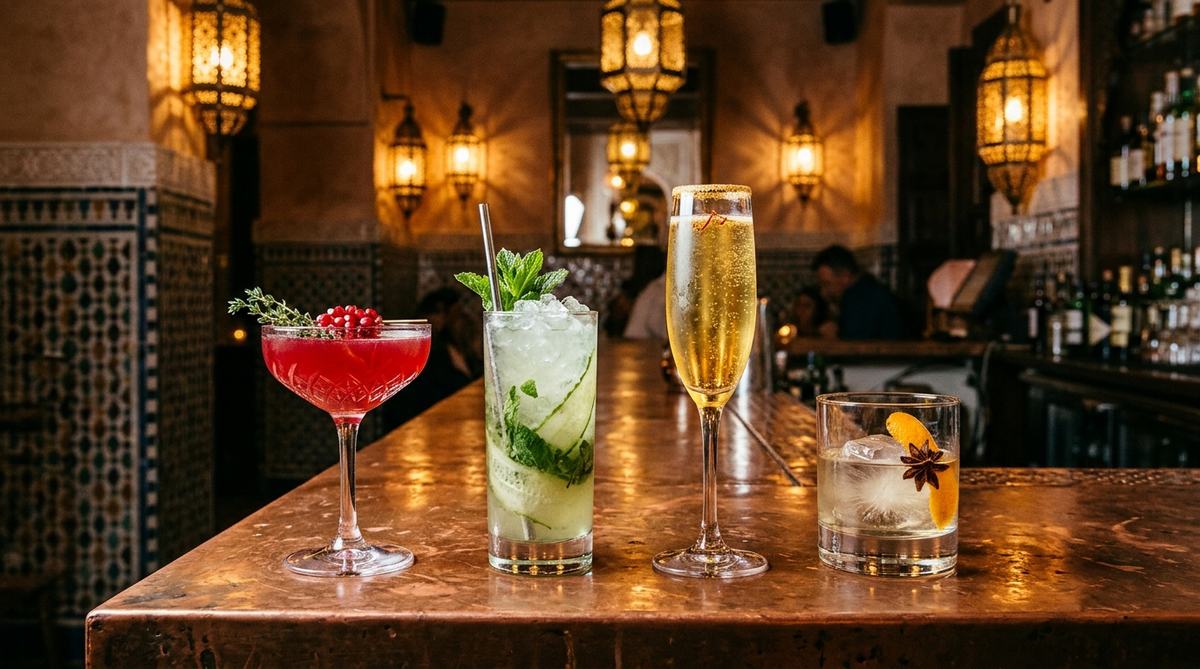
Morocco is a predominantly Muslim country where alcohol is not consumed by most of the population, which means that when Moroccan cocktail culture does exist, it exists at an interesting angle — generally in tourist-facing rooftop bars and hotel terraces, but increasingly in a small number of genuinely creative drinking establishments run by young Moroccan bartenders who are thinking seriously about what it means to make Moroccan cocktails.
The best of these bartenders are not simply Westernising Moroccan ingredients. They are asking different questions: What does hospitality mean in a glass? What would a Moroccan grandmother recognise as familiar in a drink served at midnight on a rooftop? The answer, it turns out, is mint, orange blossom, ginger, and the cold weight of a copper vessel in your hand. These are the textures of Moroccan comfort, translated into something new without losing what made them worth keeping.
Frequently Asked Questions
Can I make a large batch of the Moroccan Mule for a group? Yes — batch the lime juice, orange blossom water, honey syrup, and spirit (if using) in the proportions above, multiplied by the number of servings. Keep this base refrigerated. When ready to serve, pour 95ml of the base over ice in each mug and top with ginger beer. Add fresh mint to each glass at the moment of serving — naânaâ loses its vibrancy if it sits in liquid too long.
Where can I find Moroccan mint (naânaâ) outside Morocco? Middle Eastern and North African grocery stores in most major Western cities carry fresh naânaâ, particularly on weekends when turnover is high. It is sometimes labelled “Moroccan mint” or “spearmint” — confirm by smelling it. It should be intensely aromatic with a clean, sweet quality. Failing that, grow your own: Moroccan spearmint (Mentha spicata ‘Moroccan’) is widely available as a plant from garden centres and grows prolifically on a windowsill.
What is the best ginger beer to use in a Moroccan Mule? For the cocktail version, use a genuinely spicy ginger beer — one where the ginger heat is real, not simulated by carbonation alone. Fever-Tree Ginger Beer, Bundaberg, or a local craft ginger beer all work well. Avoid ginger ales, which are too sweet and lack the necessary heat. For the mocktail, you can use a slightly milder ginger beer if the sharp heat of the full-strength version is too much — the lime and mint are doing more work in the absence of spirit.
Why use a copper mug for this drink? The copper mug is more than aesthetic. Copper conducts temperature very efficiently, meaning the mug takes on the cold of the ice and stays cold in your hand throughout the drink. This keeps the ginger beer more effervescent for longer and maintains the freshness of the naânaâ. It also feels extraordinary — there is something about the weight and the coolness of a copper mug on a warm Marrakech afternoon that no glass quite replicates.
Experience the true heart of Moroccan heritage through its culinary traditions. Join us in preserving and honoring these ancestral recipes.
What People Are Saying
No comments yet. Be the first — we'd love to hear from you.
The Moroccan Food
Culturally Verified & Fact-CheckedThe Moroccan Food editorial team brings together native culinary researchers, heritage preservationists, and experienced home cooks across Marrakech, Fes, and Casablanca. Every recipe and cultural guide is reviewed against ancestral oral traditions and authentic regional practices.