Moroccan Wellness Beyond the Hammam: Traditional Herbs, Spas in the Atlas, and Modern Retreat
Moroccan Wellness Beyond the Hammam: Traditional Herbs, Spas in the Atlas, and Modern Retreat
Every visitor to Morocco hears about the hammam. The steam rooms, the kessa glove exfoliation, the savon beldi made from black olive soap, the attendant who works your back with an efficiency that suggests they regard your body as agricultural equipment in need of maintenance — these images have become almost clichéd in the way that all genuinely extraordinary things eventually become clichéd. The hammam is real and it is wonderful, and if you haven’t been, you should go.
But I’ve always been fascinated by what lies on the other side of that familiarity. The Morocco of traditional wellness extends far beyond the steam room into a complex, ancient, and sometimes genuinely surprising pharmacopeia of herbs, clays, oils, and practices that have been accumulating here for more than a thousand years.
This is the guide to Morocco’s deeper wellness culture — the parts that most visitors never reach.
The Traditional Herbal Tradition: The Attarine Markets
In the old medinas of Fes and Marrakech, the attarine — the spice and herb merchants — sell not just cooking ingredients but a complete traditional pharmacopeia. The dried plants, powders, roots, resins, and animal-derived preparations on display in the attarine stalls represent centuries of accumulated botanical and medical knowledge, most of it oral, most of it passed between practitioners across generations.
I once spent an afternoon with a traditional herbalist in the Fes medina — a small man in his seventies who had inherited his stall from his father and his grandfather before that — working through the contents of his stall with him. What emerged was a complete alternative medicine system: plants for digestive disorders, for anxiety, for skin conditions, for sleep, for reproductive health, for blood pressure. Some of it maps directly onto contemporary pharmacology (thyme has documented antimicrobial properties; fenugreek has well-studied effects on blood sugar). Some of it is less evidenced and more faithful.
The herbs and preparations most relevant to wellness visitors:
Ghassoul (rhassoul clay): A naturally occurring mineral clay mined from the Atlas Mountains near the Middle Atlas city of Midelt. Used for millennia in the hammam as a hair and skin cleanser, ghassoul has a mineral composition that effectively removes excess oil without stripping natural moisture. It’s one of the genuinely well-evidenced traditional treatments — modern cosmetic scientists have confirmed its cleansing mechanism. In the hammam, it’s mixed with water and rose water to form a paste applied to the hair and skin before rinsing.
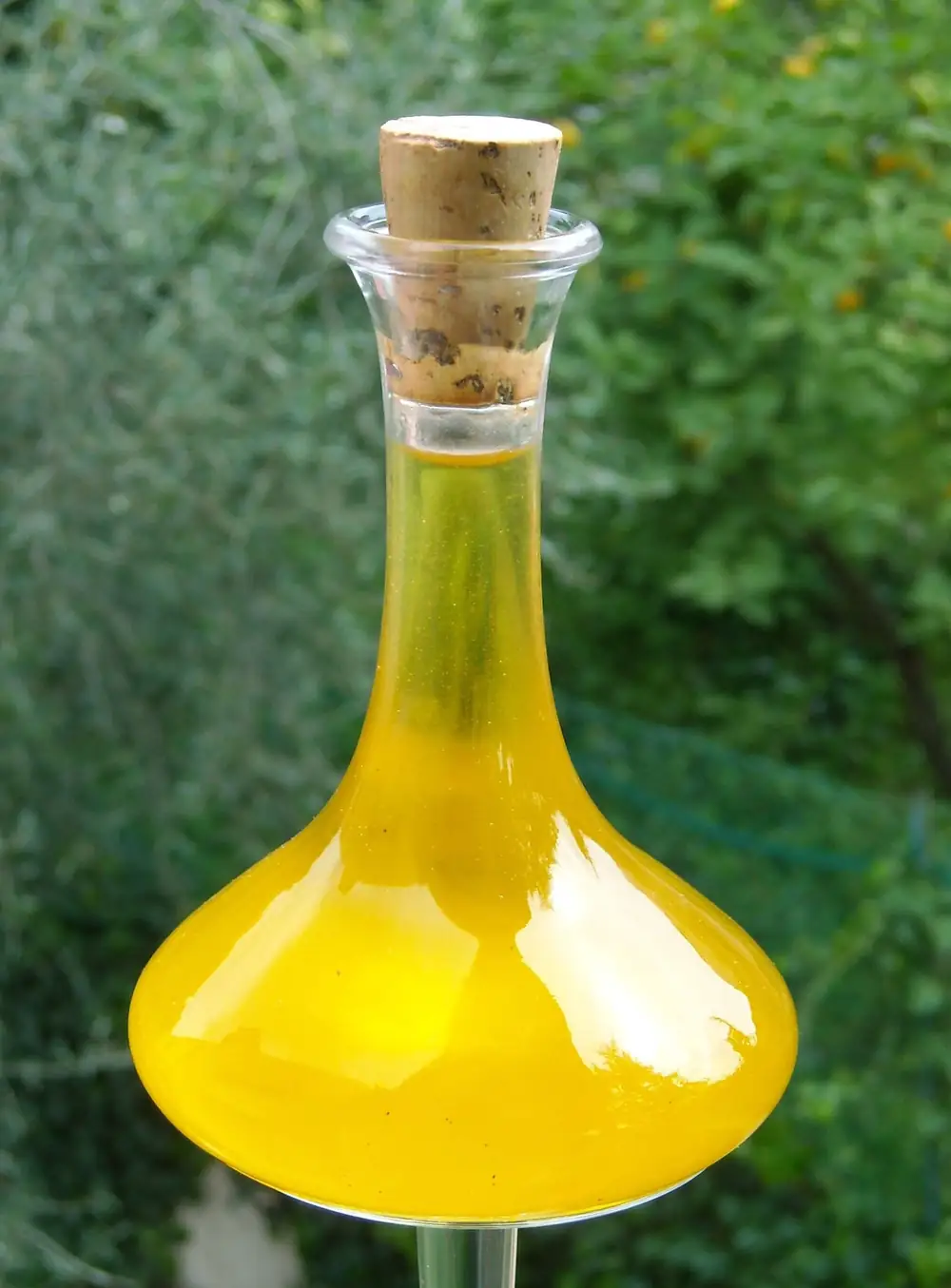
Argan oil for skin and hair: The same oil pressed from the kernels of the argan tree (used in cooking in its roasted form) is also used unroasted for cosmetic purposes. Cosmetic argan oil is an outstanding skin moisturizer and hair treatment — the fatty acid composition and vitamin E content are high, and the evidence for its topical benefits is solid. Buy it from a women’s cooperative where the production is traceable.
Black cumin (sanouj / nigella sativa): Called ‘the seed that cures everything except death’ in the hadith traditions of Islam, black cumin has been used in Moroccan traditional medicine for respiratory, digestive, and immune-supporting purposes for centuries. Modern research has confirmed significant anti-inflammatory and antioxidant properties. It’s pressed into oil, ground into powder, or added to preparations.
Mastic gum (meska / mastic): The resin of the Pistacia lentiscus tree, used throughout the Mediterranean for digestive disorders, oral hygiene, and skin preparations. In Morocco, it appears in traditional cooking and in beauty preparations. It has documented antibacterial properties and is used in modern pharmaceutical research.
Henna for skin and hair: Lawsonia inermis, the plant source of henna, is used in Morocco both for the celebrated temporary body art (which has its own deep cultural meaning distinct from the tourist version sold in medina alleys) and as a hair treatment. The active compound lawsone binds to the protein in hair, adding condition and color. Properly prepared fresh henna paste — made from the ground dried leaves with lemon juice and a few drops of essential oil — is a genuinely effective hair treatment, not merely a tradition.
Spas in the Atlas: Where Nature Meets Wellness
The most significant development in Moroccan wellness tourism in the past decade has been the emergence of retreat centers and spas in the Atlas Mountain region. Several properties — ranging from intimate family-owned guesthouses with one treatment room to genuinely world-class wellness facilities — have opened in the valleys around Marrakech.
The best of these combine the mountain environment itself (the altitude, the clean air, the silence, the herbal landscape) with thoughtfully designed wellness programs that draw on Moroccan traditions.
The Kasbah du Toubkal at Imlil, at the base of the High Atlas, is the longest-established and remains one of the finest. The hammam here uses traditional methods: real kessa exfoliation, ghassoul masks, savon beldi from traditional black soap. The treatment menu extends to Atlas mountain herb wraps and argan oil massages using oil sourced from cooperatives in the Souss. The setting — at 1,800 meters, surrounded by peaks, with the smell of cedar on the air — contributes to the wellness experience in ways that no urban spa can replicate.
Several newer properties have opened in the Ourika Valley — closer to Marrakech and more easily accessible — with programs specifically designed for multi-day stays: a combination of hiking, traditional hammam treatments, Moroccan cooking classes using medicinal herbs, and meditation sessions in gardens surrounded by Atlas wildflowers.
The Modern Retreat Scene
Marrakech itself has developed a sophisticated modern spa and retreat ecosystem that complements (rather than replacing) the traditional hammam culture. The major luxury hotels — La Mamounia, Royal Mansour, Amanjena — have world-class spa facilities that integrate Moroccan ingredients and techniques with international luxury spa standards.
For visitors seeking a focused wellness retreat rather than a spa visit as an add-on to tourism, several specialized retreat centers have opened in the Palmeraie and on the road toward the Atlas. These range from yoga retreats aimed at European visitors to more comprehensive wellness programs that include Moroccan traditional medicine consultations, structured detox protocols using local herbs, and guided fasting experiences based on Ramadan principles adapted for health rather than religious observance.
I’ve always been fascinated by the cross-pollination between traditional Moroccan healing knowledge and contemporary wellness frameworks. When an Atlas Mountain herbalist’s understanding of thyme and wild mint as respiratory remedies is confirmed by European pharmacological research, and that knowledge then appears in a wellness retreat’s product line, something interesting and genuinely valuable is being preserved and transmitted — if the intellectual honesty to acknowledge the origin is also present.
The Traditional Hammam Experience: Doing It Properly
Since we’ve gone beyond the hammam, it’s worth being clear about how to experience the hammam itself properly rather than the tourist version.
The neighborhood hammam — the public hammam that serves the local community rather than tourists — is a completely different experience from the hotel spa hammam. The neighborhood hammam costs between 10 and 30 dirhams rather than hundreds. It uses traditional kessa exfoliation (the attendant’s technique is worth the trip alone). The communal atmosphere — the conversation between neighbors, the children being scrubbed by their mothers, the old men discussing the week’s events — is the social fabric of traditional Morocco as it actually exists.
Your riad host will know where the nearest good neighborhood hammam is. Ask them. Going requires slightly more logistical preparation than the hotel version (bring your own flip-flops, bring a large towel, bring small change), but the authentic experience is incomparable.
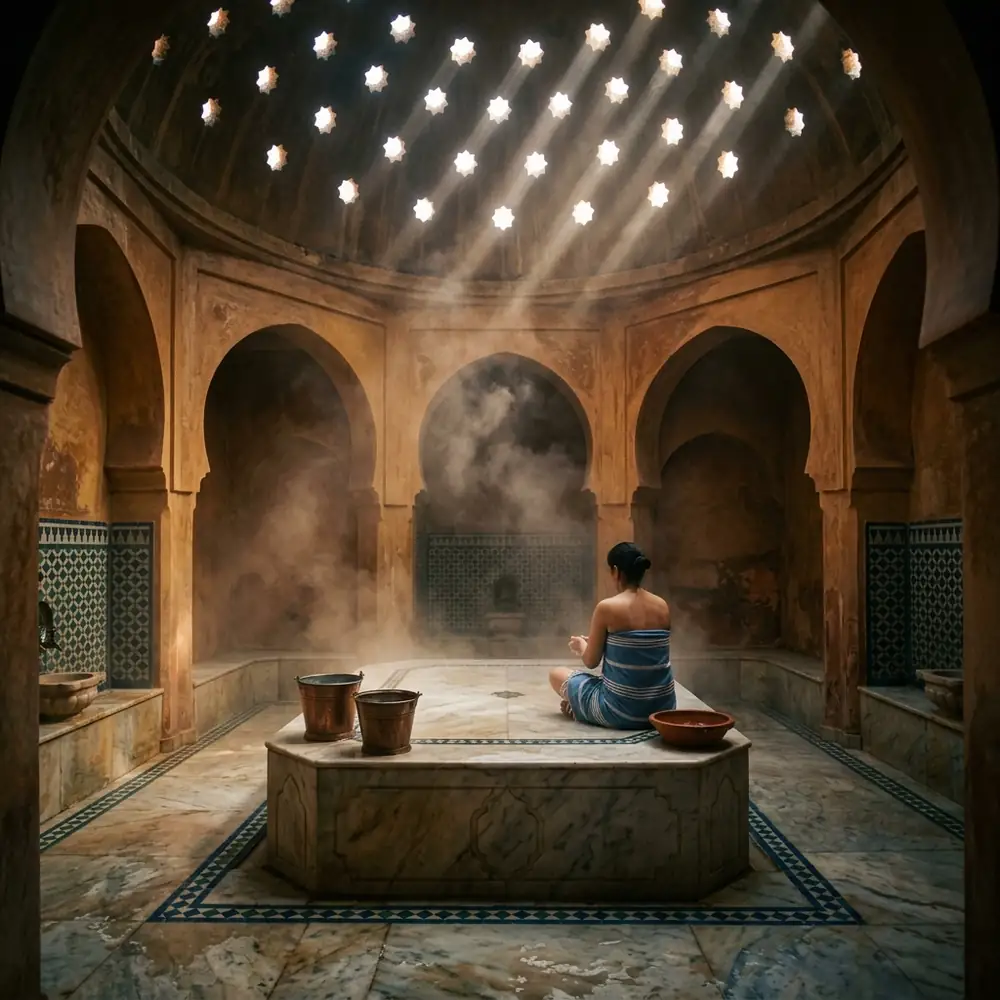
The order of events: enter, disrobe in the changing area, move to the hot room, wet yourself thoroughly, apply savon beldi (black soap) and wait for it to work for a few minutes, receive the kessa exfoliation from the attendant (the amount of dead skin that comes off is initially alarming and then deeply satisfying), apply ghassoul clay if available, rinse, move to the cooler room to cool down, return to the changing area. The whole process takes forty-five minutes to an hour. You will feel like a new person afterward.
Building Your Moroccan Wellness Experience
If I were planning a Morocco trip specifically around wellness, I would structure it in three parts:
The city foundation: A visit to the attarine market in Fes or Marrakech with a knowledgeable herbalist guide, followed by a traditional neighborhood hammam in the evening. This gives you the intellectual and experiential context for everything else.
The mountain retreat: Two or three nights in an Atlas Mountain guesthouse or retreat center with hiking, hammam, and exposure to the mountain herbal landscape. The air quality alone at altitude is a wellness intervention.
The coastal reset: A few days in Essaouira or Oualidia, where the Atlantic wind and the seafood diet create a particular kind of physical restoration that the mountains and the cities don’t provide.
That combination — city, mountain, coast — gives you the full range of what Moroccan wellness, understood broadly, actually offers. It’s not a luxury product. It’s a relationship with a landscape and a culture that has been accumulating wisdom about how to live in it for a very long time.
Experience the true heart of Moroccan heritage through its culinary traditions. Join us in preserving and honoring these ancestral recipes.
What People Are Saying
No comments yet. Be the first — we'd love to hear from you.
Yasmine Belkadi
Culturally Verified & Fact-CheckedThe Moroccan Food editorial team brings together native culinary researchers, heritage preservationists, and experienced home cooks across Marrakech, Fes, and Casablanca. Every recipe and cultural guide is reviewed against ancestral oral traditions and authentic regional practices.