The Secret Herbal Pharmacy of the High Atlas: Za’atar, Chih, Fliyou, and Ancient Berber Infusions
The Secret Herbal Pharmacy of the High Atlas: Za’atar, Chih, Fliyou, and Ancient Berber Infusions
Slug: moroccan-wild-mountain-herbs-foraging-atlas-rif
Category: Lifestyle & Traditions
Excerpt: Foraged along limestone ridges by Amazigh herbalists: the deep story of Morocco's wild medicinal herbs, from morning digestive Chih infusions to the mint-family mysteries of mountain Fliyou and Timijja.
Marhaba, my dear friend. Welcome to my table. Sit down, wrap your hands around this warm clay cup, and let the rising steam wash the dust of the world from your face. Breathe it in deeply—that sharp, resinous bite of wild mountain thyme, the piercing warmth of pennyroyal, and the lingering sweetness of raw wildflower honey gathered from the rocky cliffs of the Ourika Valley.
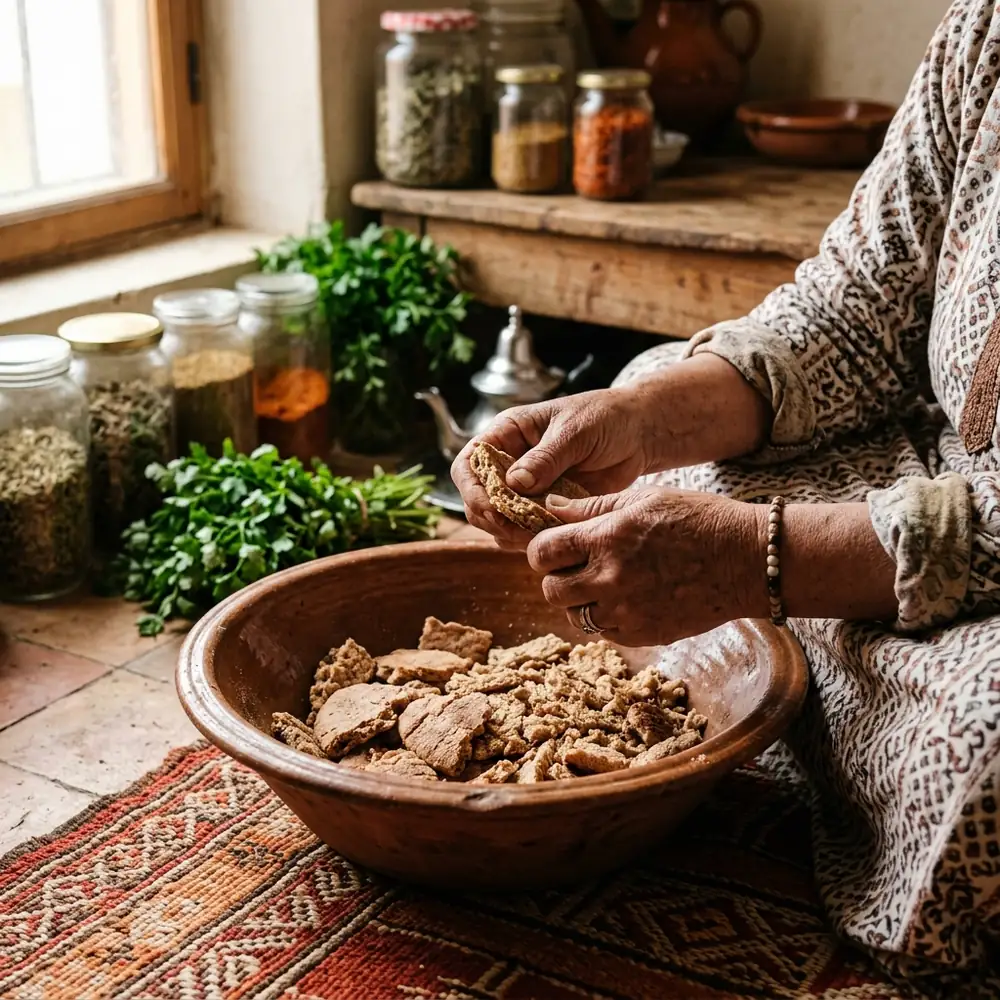
In our culture, when someone is weary, unwell, or simply arriving from a long adventure across the mountain passes, we do not hand them a manufactured tablet in a blister pack. We reach into linen sacks hanging from cedar rafters, pull out sun-dried clusters of wild herbs gathered by calloused hands, and light the charcoal beneath the kettle.
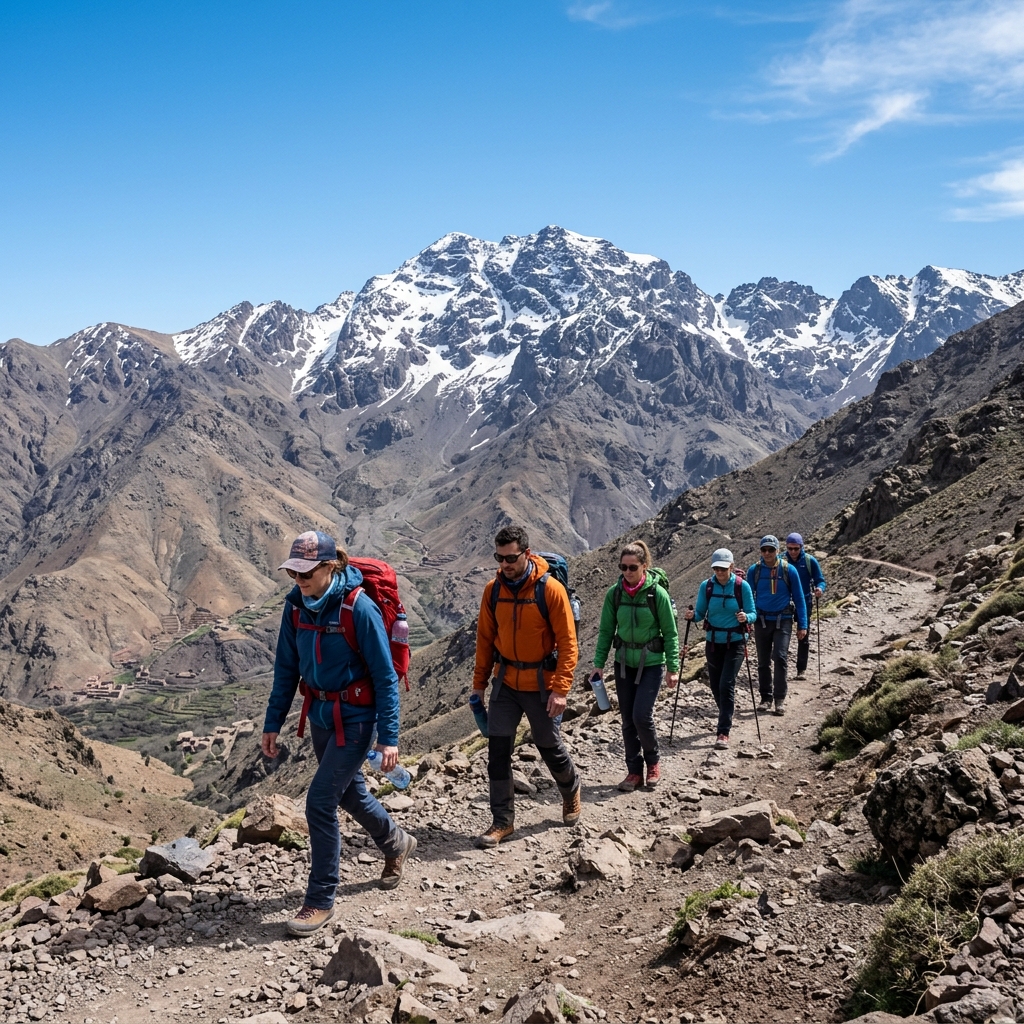
For more than twelve centuries, long before modern apothecaries existed, the steep limestone ridges and sun-bleached plateaus of the High Atlas and the Rif Mountains have served as Morocco’s living, breathing pharmacy. This is the sacred heritage of the Amazigh (Berber) people—a profound, intimate botanical wisdom passed down through unbroken generations of matriarchs. Today, I want to take you by the hand and walk you along the goat trails of the Atlas, where every scrubby bush underfoot holds a secret, every wild leaf carries a memory, and every infusion is an act of love, healing, and hospitality.
The Fragrant Backbone of Morocco: Limestone Mist and Amazigh Botanical Memory
To understand Moroccan herbal medicine, you must first understand the geography that gives birth to it. Morocco is blessed with a dramatic, almost violent topographical variety: the Atlantic and Mediterranean coasts collide with towering peaks that soar beyond four thousand meters—Mount Toubkal, the Mgoun Massif, and the jagged limestone crests of the Rif.
Here, in high-altitude valleys where the winter snows melt under a fierce North African sun, wild herbs fight for survival in sparse, mineral-dense, calcareous soils. This struggle is precisely what makes them miraculous. To protect themselves from grazing mountain goats, harsh ultraviolet radiation, and bitter mountain frost, these plants concentrate potent defensive chemicals within their cellular glands: volatile phenolic oils, carvacrol, thymol, cineole, and complex flavonoids. When you crush a sprig of wild Atlas za'atar between your fingers, you are releasing a botanical armor developed over millennia.
       HIGH ATLAS FORAGING ELEVATION PROFILE
4000m +------------------------------------------+ (Snowcaps / Toubkal)
|  Alpine Scree & Glacial Runoff           |
3000m +------------------------------------------+
|  Wild Mountain Za’atar (Thymus sat.)     | <- Maximum Phenolic Potency
2200m +------------------------------------------+
|  Chih (White Wormwood) & Mountain Sages  | <- Plateau Wind-Hardened
1400m +------------------------------------------+
|  Fliyou (Pennyroyal) & Timijja Streams   | <- Riverbank Shade & Mist
600m +------------------------------------------+
|  Lemon Verbena (Louiza) & Orange Groves  | <- Valley Orchards & Gardens
For centuries, foraging in these mountains has been the sacred domain of Amazigh women. An elder woman of the village—known respectfully in the community for her taousna (living memory and traditional knowledge)—does not simply harvest plants; she reads the weather, the lunar cycle, and the moisture of the morning dew.
Herbs are gathered just after the dawn mist lifts from the valleys, but before the midday sun can evaporate their delicate essential oils. They are never yanked carelessly from the earth; a sharp curved knife or the fingernail of the thumb severs the stem just above the lignified base, ensuring the root system remains anchored to prevent soil erosion on the steep mountain scree. The harvest is carried down in woven palm baskets (chouari) and spread out on reed mats in the deep shade (el-dhel) of adobe verandas. In Morocco, we never dry medicinal herbs in direct sunlight—the sun’s scorching heat would bleach their vibrant emerald hue and burn away their aromatic soul.
The Sacred Four: Deconstructing the Wild Herbs of the Mountain Apothecary
While a traditional Moroccan spice merchant (attar) may stock hundreds of dried roots, barks, and seeds, four wild herbs form the foundational pillar of every Moroccan household. Let us examine their botany, their chemistry, and the time-honored rituals that surround them.
+---------------+-----------------------------+------------------------------------+------------------------------------+
| HERB (DARIJA) | BOTANICAL TAXONOMY          | KEY VOLATILE COMPOUNDS             | PRIMARY THERAPEUTIC PURPOSE        |
+---------------+-----------------------------+------------------------------------+------------------------------------+
| Za'atar       | Thymus satureioides         | Thymol, Carvacrol, Borneol         | Deep respiratory warmth, digestion |
| Chih          | Artemisia herba-alba        | Artemisinin, Thujone, Camphor      | Powerful gut antiseptic, anti-chill|
| Fliyou        | Mentha pulegium             | Pulegone, Menthone, Isomenthone    | Bronchial relief, winter sweating  |
| Timijja       | Mentha suaveolens timija    | Piperitenone oxide, Linalool       | Calming nervous gut, sweet comfort |
+---------------+-----------------------------+------------------------------------+------------------------------------+
1. Za’atar (Thymus satureioides & Thymus broussonetii)
Do not confuse Moroccan mountain za'atar with the Levantine spice blend of the same name (which is a mixture of wild oregano, sumac, and sesame seeds). In Morocco, za'atar refers to the pure, unadulterated wild thyme endemic to our rocky mountain slopes.
Our native Thymus satureioides is a squat, woody shrub with tiny, resinous leaves that pack a peppery, camphoric punch strong enough to wake the senses. Rich in carvacrol and thymol, Moroccan za'atar is nature's most formidable natural antiseptic. In high mountain hamlets where winter brings snowdrifts and sub-zero nights, a steaming infusion of za'atar with a teaspoon of mountain honey is the first defense against chest colds, stubborn coughs, and gastrointestinal sluggishness.
When you drink it, a wave of therapeutic warmth spreads across your chest and throat, loosening congestion and relaxing the bronchial tubes. In the kitchen, za'atar is rubbed into fresh goat cheeses, infused into warm morning flatbreads, and used to preserve cured fats.
2. Chih (Artemisia herba-alba)
Known in English as White Wormwood or Desert Wormwood, Chih is the rugged warrior of the Moroccan steppe and high desert plateaus. With its silvery, thread-like leaves and intensely aromatic, herbaceous perfume, chih is celebrated throughout North Africa for its medicinal potency.
It is unapologetically bitter—a bracing, medicinal bitterness that activates the liver, cleanses the digestive tract, and stimulates the flow of digestive enzymes. In the Moroccan home, chih is the sovereign remedy for heavy stomachs. After celebratory feasts of roasted lamb (mechoui) or rich Eid al-Adha tagines, when the stomach feels weighed down by rendered fat and spices, the grandmother does not bring mint tea; she steeps a small sprig of chih in boiling water.
Within fifteen minutes of drinking this bitter, golden-amber liquor, the heaviness dissipates, gut cramps subside, and the digestive fire is rekindled. Amazigh nomads have used chih for millennia as a natural antiparasitic and a shield against seasonal fevers.
                      THE CHEMICAL ARCHITECTURE OF CHIH
             [ Artemisia herba-alba (White Wormwood) ]
                                 |
       +-------------------------+-------------------------+
       |                                                   |
[ Artemisinin & Thujone ]                           [ Cineole & Camphor ]
- Stimulates bile production - Calms smooth muscle spasms
- Neutralizes pathogenic gut bacteria - Clears nasal & airway passages
Breaks down dense animal fats - Reduces systemic fever chills
3. Fliyou (Mentha pulegium)
Wild pennyroyal mint, known across Morocco as Fliyou, is the fiery, rebellious cousin of domestic spearmint. It grows wild along the damp banks of mountain streams (oueds) and near fresh springs in the Rif and Atlas valleys.
Unlike the soft, sweet cooling sensation of garden mint, Fliyou possesses an aggressive, highly camphoric menthol punch that hits the back of the throat like a warm breeze. It contains high concentrations of pulegone and menthone, making it an extraordinary decongestant and diaphoretic (sweat-inducing) agent.
When a family member succumbs to a shivering winter flu or a deep chest rattle, Moroccan mothers prepare Hssoua d'Fliyou—a rich, savory soup of cracked barley simmered with crushed fresh pennyroyal, olive oil, and hot goat milk. The patient drinks the steaming bowl, crawls beneath three heavy woolen blankets (haik), and sweats out the fever by morning.
[!WARNING] While culinary infusions of whole dried or fresh Fliyou leaves in soups and teas are safe and deeply cherished, concentrated pennyroyal essential oil is toxic and should never be consumed internally. Always honor the whole plant as our grandmothers did.
4. Timijja (Mentha suaveolens subsp. timija) & Louiza (Aloysia citrodora)
No exploration of Morocco's herbal treasury is complete without the calming sisters: Timijja and Louiza.
Timijja is an extraordinary wild mint endemic to Morocco, characterized by rounded, velvety, silver-green leaves covered in soft down. Its aroma is delicate, floral, and deeply sweet, completely devoid of the sharp bite found in za'atar or fliyou. In the Souss valley and High Atlas villages, timijja is traditionally chopped into the filling of rustic Amazigh flatbreads (Aghroum n'Taddart) or infused into the midday tea during hot summer months to soothe nervous tension and settle irritable bowels.
Louiza (Lemon Verbena), brought to Morocco centuries ago and embraced so completely that it is now inseparable from our national identity, is the queen of the evening hearth. Its long, slender leaves release an intoxicating burst of pure, sweet citrus and honeyed herbs when bruised. Every Moroccan child grows up on Louiza; it is the gentle, comforting bedtime cup poured to banish childhood nightmares, ease teething pain, relieve menstrual cramps, and induce deep, restorative slumber.
The Sacred Science of the Moroccan Infusion: The Three-Step Ritual
In modern Western kitchens, herbal tea is often treated carelessly: a tea bag is tossed into a mug, scalded with violently boiling water, and forgotten until it turns astringent and murky. In the Moroccan tradition, extracting the soul of wild mountain herbs is an exacting culinary science.
Violent, continuous boiling destroys fragile monoterpenes and releases harsh, dry tannins that overwhelm the palate and irritate the stomach lining. To find the full medicinal and culinary power of mountain herbs, we employ the ancient, three-step closed-pot infusion method known as Takhmer.
   THE THREE-STEP "TAKHMER" INFUSION PROTOCOL
[ Step 1: El-Ghesl (The Awakening Rinse) ]
Rinse dried wild herbs with a splash of warm water (70°C).
Drains away mountain dust and opens dried plant stomata.
|
v
[ Step 2: El-Iskab (The Sub-Boil Pour) ]
Place herbs into a heavy silver or clay pot (Berrad).
Pour water heated to exactly 90°C–92°C (just off the boil).
|
v
[ Step 3: El-Khadar (The Sealed Rest) ]
Seal the spout and lid tightly; steep off the flame for 7-10 minutes.
Traps volatile aromatic vapors inside the condensation dome.
The Step-by-Step Technique:
- The Awakening Rinse (El-Ghesl): Place one generous tablespoon of dried wild herbs (such as za'atar or chih) into your teapot (berrad). Pour in a quarter-cup of warm water, gently swirl the pot for five seconds, and pour the cloudy liquid out, using the lid to catch the leaves. This eliminates fine mountain dust and awakens the dried botanical cells without washing away their potent essential oils.
- The Sub-Boil Pour (El-Iskab): Bring fresh spring water to a rolling boil in a separate kettle, then take it off the heat for 45 seconds to let the temperature drop to approximately 90°C–92°C. Pour the hot water over the awakened herbs.
- The Sealed Rest (El-Khadar): Never leave the pot open to the air! Cover the pot tightly. The heavy metal or clay lid acts as a condenser: as the volatile essential oils evaporate, they hit the cooler lid, condense into aromatic droplets, and fall back into the tea. Let the herbs steep undisturbed off the flame for 7 to 10 minutes.
- The Sweetening Matrix: If using medicinal honey—such as bitter, peppery Daghmous (wild Euphorbia honey from the anti-Atlas) or dark carob honey—never add it while the tea is scalding hot, as extreme heat destroys honey's live enzymes. Wait until the tea cools to drinking temperature before stirring in your honey.
       VOLATILE OIL RETENTION vs. EXTRACTION METHOD
100% +------------------------------------------+
| [Takhmer Sealed Method] ~94% Terpenes    |
75% +------------------------------------------+
| [Open Steeping] ~58% Terpenes (Vapor Lost|
50% +------------------------------------------+
| [Boiled on Direct Flame] ~22% (Destroyed)|
25% +------------------------------------------+
0% +------------------------------------------+
The Herbal Kitchen: Beyond Teas to Porridges, Cured Fats, and Couscous
In Morocco, the boundary between the spice pantry, the medicine chest, and the cooking hearth does not exist. Our food is our medicine. Wild mountain herbs are woven into the very fabric of our everyday cuisine, lending earthy complexity and digestive support to our most iconic dishes.
+---------------------------+-----------------------+-----------------------------------------------+
| TRADITIONAL RECIPE        | KEY MOUNTAIN HERB     | CULINARY & PHYSIOLOGICAL FUNCTION             |
+---------------------------+-----------------------+-----------------------------------------------+
| Hssoua bel Fliyou         | Wild Pennyroyal       | Warming cracked-barley soup for fever recovery|
| Smen M'zaatar             | High Atlas Za'atar    | Fermented aged butter infused against rancidity|
| Rfissa bel Aachoub        | 27-Herb Ras el Hanout | Postpartum restorative braise for new mothers |
| Tagine d'Ghnmi bil Chih   | White Wormwood        | Cuts grease in fatty mountain kid goat braises|
+---------------------------+-----------------------+-----------------------------------------------+
1. Hssoua bel Fliyou (Barley & Pennyroyal Recovery Soup)
When the bitter mountain winds howl down the gorges of the Dades or the Ourika, every home simmers a pot of Hssoua.
Cracked barley groats (Dchicha) are slow-cooked in water with grated red onion, crushed garlic cloves, freshly pressed green olive oil, sea salt, and a pinch of black pepper. In the final ten minutes of gentle simmering, a massive fistful of freshly bruised wild pennyroyal (Fliyou) is stirred into the pot alongside a cup of rich, unpasteurized goat’s milk. The resulting soup is creamy, comforting, and bracingly mentholated. It clears sinuses instantly, settles upset stomachs, and provides deep, slow-burning carbohydrate energy to mountain farmers heading into the freezing orchards.
2. Smen M'zaatar: The Alchemy of Fermented Wild-Thyme Butter
Smen is Morocco’s legendary aged, fermented clarified butter—the pungent, cheesy, umami-rich ingredient that gives authentic tagines, couscous, and rfissa their unmistakable depth. But raw butter cannot simply be aged without spoiling; it requires a natural preservative. That preservative is wild mountain za'atar.
To make authentic Smen M'zaatar, fresh farmhouse butter made from rich cow or goat milk is thoroughly washed with cold salted water to remove every trace of buttermilk. Meanwhile, an intense, concentrated decoction of wild za'atar and coarse sea salt is brewed and cooled. The washed butter is kneaded vigorously in this fragrant za'atar brine for nearly an hour, forcing the thyme’s antimicrobial thymol compounds and savory herbal essence deep into the fat molecules.
The butter is then packed tightly into glazed earthenware jars (krichla), topped with a dried sprig of za'atar, sealed with wax or parchment, and buried in dark cellars for six months, two years, or even a decade. The za'atar prevents rancidity while allowing beneficial lactic fermentation to transform the butter into culinary gold.
           THE BOTANICAL PRESERVATION OF SMEN
[ Fresh Farmhouse Butter ] + [ Concentrated Za’atar & Salt Brine ]
|
v
[ 45 Minutes Vigorous Hand-Kneading ]
(Thymol & Carvacrol penetrate lipid fat matrix)
|
v
[ Packed into Glazed Terracotta Jars (Krichla) ]
|
v
[ 6 Months to 5 Years Dark Cellar Aging ]
(Lactic Fermentation without Oxidation or Mold)
|
v
[ Pungent, Earthy, Aged Royal Moroccan Smen ]
3. Rfissa and the Postpartum Herb Rituals (El-Aachoub)
In Morocco, the most celebrated culinary manifestation of herbal medicine is Rfissa—a monumental dish of shredded, paper-thin pastry (trid) bathed in a rich broth of slow-simmered chicken, lentils, fenugreek seeds (halba), saffron, and a specialized mountain herb blend called Mssakhen or El-Aachoub.
Traditionally prepared for new mothers in the days following childbirth, this herbal feast contains up to thirty wild mountain botanicals, including crushed za'atar, wild mountain cress, dried lavender flowers, cubeb peppers, and licorice root. The medicinal intention is profound: fenugreek stimulates abundant breast milk production, ginger and pepper stimulate systemic blood circulation, and wild za'atar cleanses the reproductive and digestive tracts, restoring vitality to the mother’s exhausted body.
Foraging Ethics and the Future of the High Atlas Commons
As global interest in natural botanicals and wellness tourism surges, the fragile ecosystems of the High Atlas face unprecedented challenges. For centuries, the Amazigh commons were governed by an ancient tribal resource management system known as Agdal.
Under the Agdal customary law, specific mountain pastures and herbal gathering grounds were declared strictly off-limits during flowering and seed-setting seasons. Tribal elders would close mountain slopes to grazing herds and human foragers alike, allowing wild thyme, wormwood, and sage to disperse their seeds and regenerate their root networks. Only when the plants had completed their reproductive cycle would the Agdal be lifted, accompanied by community celebrations and controlled communal harvests.
THE ANCIENT AMAZIGH "AGDAL" CONSERVATION CYCLE[ Early Spring: Flowering ] ---> [ AGDAL DECLARED: Pastures Closed ] ^ | | v [ Regeneration & Seeding ] <--- [ AGDAL LIFTED: Communal Harvest ] (Autumn Rains) (Late Summer)
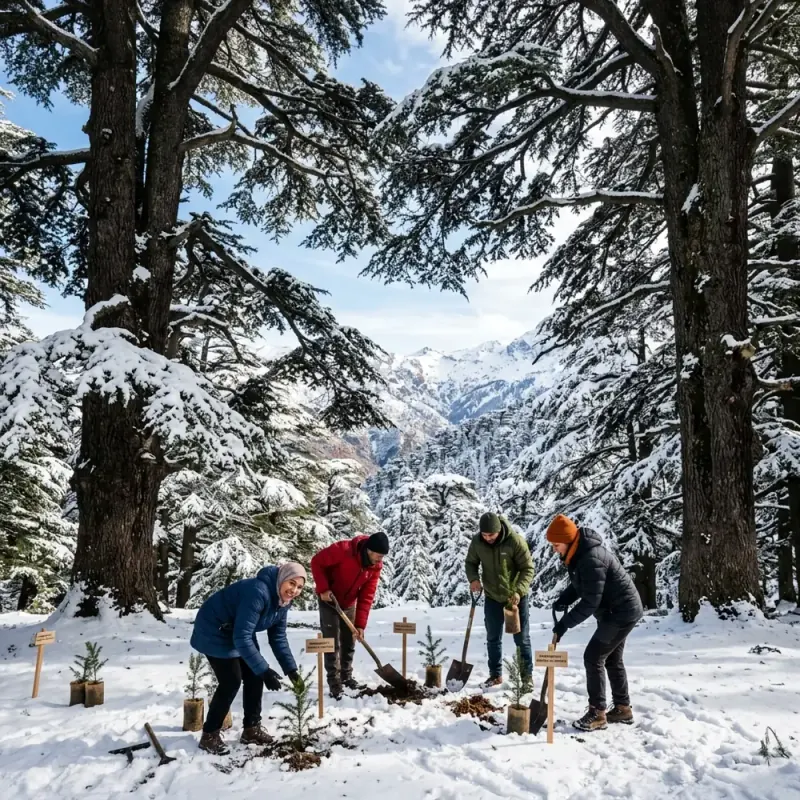
Today, forward-thinking Moroccan botanical cooperatives in places like the Ourika Valley, Imlil, and Al-Haouz are reviving these ancient conservation practices. By training a new generation of women foragers to use sustainable cutting shears rather than uprooting plants, and by establishing cultivated organic herbal nurseries at the foot of the mountains, Morocco is working to ensure that its 1,200-year-old herbal pharmacy continues to thrive for generations to come.
Grandmother’s Secrets: Traditional Home Remedies from the Hearth
Let me share with you four practical, time-tested herbal secrets passed down to me from my grandmother’s kitchen in the medina.
+------------------------------------+-------------------------------------------------------------------------+
| GRANDMOTHER'S SECRET REMEDY        | PREPARATION METHOD & TRADITIONAL APPLICATION                            |
+------------------------------------+-------------------------------------------------------------------------+
| The Mountain Winter Chest Elixir   | Warm whole milk + crushed Fliyou + saffron + raw Euphorbia honey.       |
| Taming the Bitterness of Chih      | 3-second boiling water splash-and-drain before final sealed infusion.   |
| Za'atar Sourdough Bread Oil        | Cold-pressed olive oil + toasted powdered za'atar for dipping Harcha.   |
| The Deep Sleep Louiza Mist         | Concentrated Louiza tea + 3 drops orange blossom water before bedtime.  |
+------------------------------------+-------------------------------------------------------------------------+
Secret 1: The Mountain Winter Chest Elixir (Kass Fliyou b’Hlib o Za’frane)
When a deep chest cold strikes, bring one cup of whole goat or cow milk to a gentle simmer with one tablespoon of crushed dried Fliyou (wild pennyroyal) and four strands of real Moroccan saffron. Do not boil vigorously. Simmer for three minutes, strain into a warm glass, and stir in one tablespoon of raw mountain honey. Drink it while hot, wrap your chest in a warm flannel cloth, and sleep. You will wake up breathing freely.
Secret 2: Taming the Fierce Bitterness of Chih
If you find the intense medicinal bitterness of Chih overwhelming, never try to mask it with mountains of white sugar—this causes stomach fermentation. Instead, place the dried chih in your pot, pour boiling water over it, swirl for precisely three seconds, and discard the water immediately. This lightning rinse washes away the surface resins that cause harsh bitterness while leaving the beneficial, gut-soothing internal artemisinin compounds intact for your second, delicious pour.
Secret 3: The Golden Za’atar Flatbread Dip (Zayt bel Za’atar)
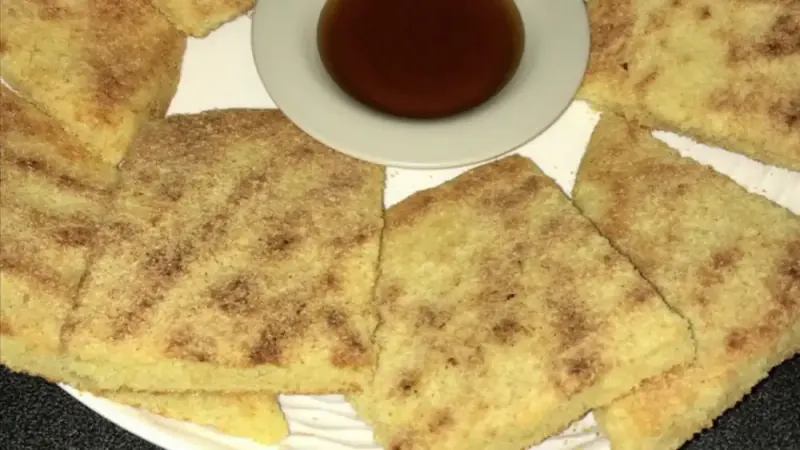
Transform simple morning breakfast into a gut-protecting powerhouse. Take two tablespoons of High Atlas dried wild thyme and crush it in a stone mortar until it becomes a coarse, fragrant green powder. Whisk it into half a cup of peppery, cold-pressed extra-virgin Moroccan olive oil with a pinch of sea salt. Serve in a shallow ceramic dish alongside piping-hot Harcha (pan-fried semolina flatbread) or crusty country Khobz. It coats the stomach lining, prevents acid reflux, and wakes up sluggish morning digestion.
Secret 4: The Deep Sleep Louiza Mist
For restless nights or anxious thoughts, steep two tablespoons of whole dried Louiza (lemon verbena) in freshly boiled water for a full ten minutes in a covered teapot. Strain into a cup, add exactly three drops of pure distilled orange blossom water (Ma Zhar), and sip slowly in a dimly lit room. The synergistic combination of verbena's verbascoside and the calming linalool in orange blossom acts as a gentle, natural sedative on the central nervous system.
Frequently Asked Questions (FAQ)
1. Is Moroccan Za’atar the same as the za'atar spice blend found in Middle Eastern markets?
No, they are completely distinct culinary entities. Middle Eastern za'atar is a prepared condiment consisting of crushed wild thyme or hyssop (Origanum syriacum) blended with toasted sesame seeds, ground sumac berries, and salt. Moroccan Za'atar refers exclusively to the pure, wild-harvested dried herb itself—predominantly Thymus satureioides or Thymus broussonetii—harvested in the High Atlas Mountains. It contains no sesame, no sumac, and no additives; it is celebrated for its pure, intense, camphoric and resinous flavor.
2. Can I forage or drink wild Pennyroyal (Fliyou) safely every day?
In traditional Moroccan culinary amounts—such as a small sprig steeped in mint tea or a spoonful of dried leaves simmered in a pot of family barley soup—Fliyou has been consumed safely for centuries. However, it should not be consumed in massive therapeutic overdoses, and pure extracted pennyroyal essential oil must never be ingested under any circumstances due to the hepatotoxicity of concentrated pulegone. Pregnant women should avoid drinking strong pennyroyal infusions, as high doses can stimulate uterine contractions.
3. Why is Chih (White Wormwood) so bitter, and how often should it be drunk?
Chih owes its piercing bitterness to a rich concentration of sesquiterpene lactones and absinthin. In herbal medicine, bitter compounds are crucial because they trigger the "bitter reflex" on the tongue, instantly signaling the stomach to produce hydrochloric acid and the liver to release bile. It should not be drunk as an all-day casual beverage like mint tea; rather, it is consumed purposefully—one small cup after a heavy, greasy feast, or once daily for three consecutive mornings as a seasonal gut reset.
4. How should I store wild Moroccan herbs to preserve their potency?
Never store delicate dried herbs in clear glass jars on a sunlit kitchen windowsill! Light and heat break down fragile chlorophyll and evaporate volatile aromatic oils within weeks. Store your dried whole herbs in airtight tin canisters, dark amber glass jars, or tightly tied unbleached linen bags kept in a cool, dark, and dry pantry cabinet. Properly stored, whole dried mountain herbs retain their medicinal and culinary vitality for up to eighteen months.
5. What is the best honey to pair with Moroccan mountain herb teas?
In Morocco, the ultimate pairing for wild mountain infusions is Asal Daghmous—a rare, dark amber honey produced by bees foraging on the yellow blossoms of wild Euphorbia resinifera (cactus-like succulent shrubs) in the Anti-Atlas mountains. Daghmous honey has a shocking, peppery heat that tingles the back of the throat and possesses extraordinary natural antibacterial properties. If unavailable, raw mountain thyme honey, lavender honey, or dark forest honeydew honey make exquisite, therapeutic substitutes.
Visualizing the High Atlas Apothecary: Image Prompts
Image 1: The Mountain Forager at Dawn
- Subject: An elderly Amazigh woman with warm, sun-creased eyes and traditional blue geometric Berber tattoos (siyala) on her chin, wearing a handwoven striped red-and-white cotton shawl (fouta). She is kneeling on a rocky limestone mountain slope above the clouds in the High Atlas, gently harvesting wild blossoming za'atar (tiny purple flowers) into a rustic woven esparto grass basket. The golden morning sun is cresting over snow-capped peaks in the background.
- Vibe: Ancient, reverent, breathtaking, intimate botanical heritage.
- Style: National Geographic style documentary portraiture, golden hour natural rim lighting, sharp focus on her weathered hands and delicate purple thyme blossoms, soft atmospheric mountain depth of field.
- Format: 16:9 widescreen
Image 2: The Steaming Clay Infusion
- Subject: A close-up top-down view of a traditional unglazed terracotta Moroccan herbal cup resting on a weathered cedar wood table. Inside, a clear, luminous amber herbal infusion is crowned with fresh floating leaves of wild mountain za'atar and a translucent curl of raw honeycomb. Wisps of fragrant steam curl upwards toward the soft light. In the background, a vintage hand-hammered silver teapot (berrad) sits slightly blurred.
- Vibe: Earthy, healing, comforting, sensory, medicinal warmth.
- Style: Moody artisan food photography, soft directional side-lighting from an unseen courtyard window, high texture detail capturing the porous clay, water droplets, and delicate leaf veins.
- Format: 4:3
Image 3: The Traditional Herbal Drying Room
- Subject: An atmospheric view inside an ancient adobe Berber mountain house with whitewashed clay walls and exposed rough-hewn Atlas cedar roof beams. Hundreds of neatly tied bundles of drying wild herbs—silvery-grey Chih, deep emerald Fliyou, and purple-tinged Za'atar—hang suspended from jute ropes across the ceiling. Soft, diffused daylight filters through an intricately carved wooden mashrabiya window, illuminating motes of aromatic herbal dust in the air.
- Vibe: Nostalgic, timeless, tranquil, artisanal apothecary.
- Style: Environmental interior photography, rich warm shadows, cinematic depth, subtle chiaroscuro contrast between bright window light and cool shaded corners.
- Format: 16:9
Image 4: The Moroccan Herbal Breakfast Spread
- Subject: A vibrant, sun-drenched morning breakfast table set on a colorful mosaic zellige tile terrace overlooking an Atlas valley. In the center, a steaming shallow terracotta dish filled with golden green cold-pressed olive oil heavily flecked with freshly ground dried za'atar. Beside it lies a golden, coarse-textured pan-fried semolina Harcha flatbread broken open to reveal its steaming interior, a small bowl of dark amber mountain honey, and two glasses of fragrant pale green Louiza tea.
- Vibe: Abundant, wholesome, inviting, authentic Moroccan morning.
- Style: High-end travel and culinary lifestyle editorial, bright natural daylight, rich saturated earth tones and vivid cobalt-and-emerald tilework, shallow depth of field.
- Format: 3:2
Image 5: The Sacred Roots and Spices Flatlay
- Subject: An artistic overhead flatlay arrangement of raw and dried Moroccan medicinal botanicals on an antique beaten brass tray (siniya). Mounds of silvery dried Chih, whole bundles of wild Atlas thyme with tiny dried blossoms, dried lemon verbena leaves, a bowl of raw Euphorbia honey with a carved wooden dipper, crushed cinnamon bark, and deep red saffron threads resting in a small hand-painted Fez ceramic dish.
- Vibe: Sophisticated, educational, rich in texture, museum-quality botanical study.
- Style: Clean high-detail editorial still-life, soft diffused studio light, balanced geometric composition, tactile macro sharpness.
- Format: 1:1 square
Experience the true heart of Moroccan heritage through its culinary traditions. Join us in preserving and honoring these ancestral recipes.
What People Are Saying
No comments yet. Be the first — we'd love to hear from you.
Lalla Fatima & The Medina Culinary Guild
Culturally Verified & Fact-CheckedThe Moroccan Food editorial team brings together native culinary researchers, heritage preservationists, and experienced home cooks across Marrakech, Fes, and Casablanca. Every recipe and cultural guide is reviewed against ancestral oral traditions and authentic regional practices.