Morocco Food Expo 2026: Agricultural Innovation, Culinary Diplomacy, and Global Trade
archived: false
As the Kingdom of Morocco accelerates its national development strategies leading toward the co-hosting of the 2030 FIFA World Cup, the country’s agri-food and gastronomic industries are experiencing an unprecedented global renaissance. At the center of this economic and cultural momentum stands the Morocco Food Expo 2026, the premier international trade fair dedicated to agriculture, food processing technology, territorial specialty products (Produits de Terroir), and culinary diplomacy in North Africa.
Held in the commercial capital of Casablanca at the Foire Internationale de Casablanca (OFEC), Morocco Food Expo 2026 brings together agricultural cooperatives, international food distributors, Michelin-starred chefs, food-tech innovators, and territorial marketing specialists from over forty nations.
Understanding the strategic stakes of Morocco Food Expo 2026 reveals how the Kingdom is leveraging its ancient culinary heritage into a high-value economic engine for the twenty-first century.
The Strategic Pillars of Morocco Food Expo 2026
The 2026 exhibition is structured around four transformative industry axes:
1. Territorial Branding and “Produits de Terroir”
Under Morocco’s national agricultural strategy Generation Green (2020 to 2030), the Kingdom has pioneered the formal legal protection of its indigenous food heritage through Protected Designations of Origin (AOP) and Protected Geographical Indications (IGP):
- The Terroir Pavilion: Showcases over eight hundred registered agricultural cooperatives, predominantly women-led enterprises from remote mountain and desert regions.
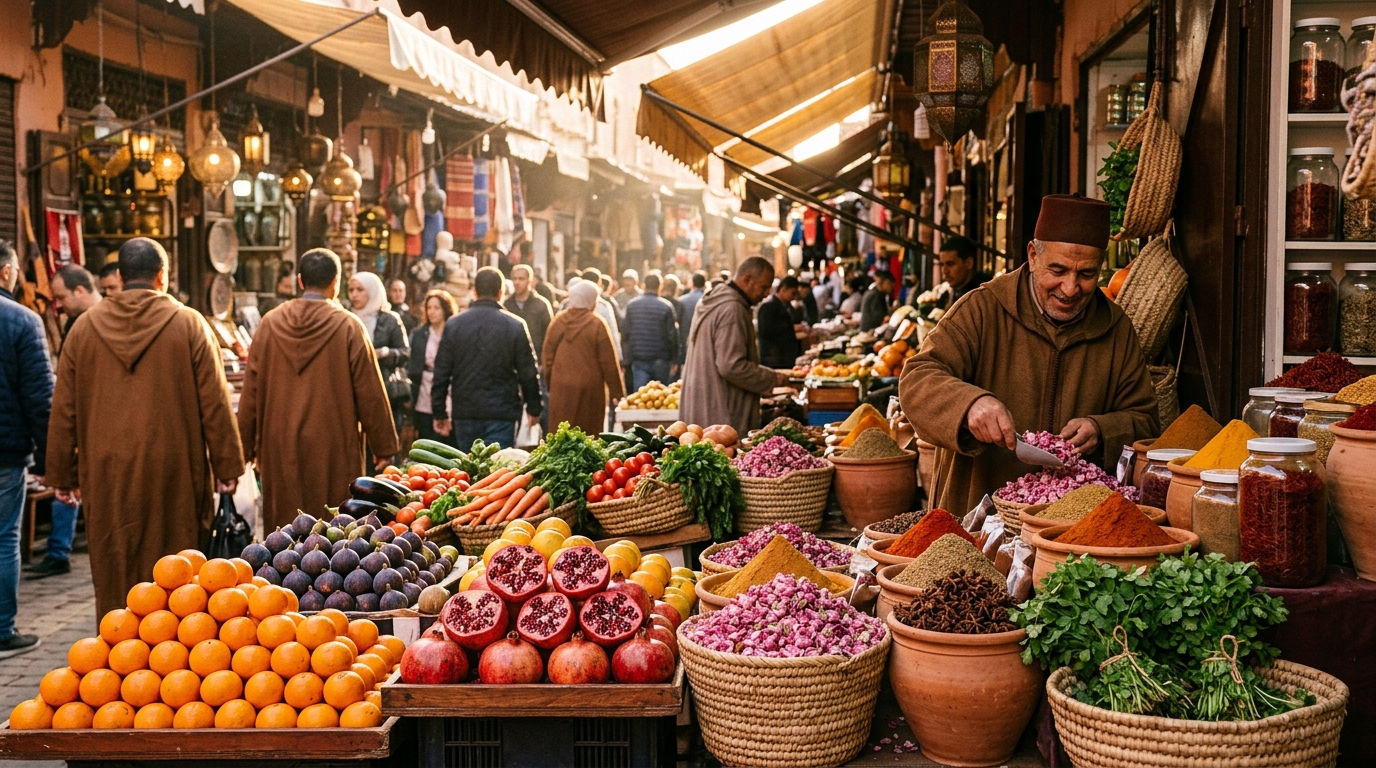
- Flagship Certified Products: AOP Taliouine Saffron, IGP Argane of the Souss Valley, Majhoul Dates of Tafilalet, Berkane Clementines, Chefchaouen Mountain Jben Cheese, and Kelaat M’Gouna Rose Water.
- Economic Impact: Moving from bulk raw commodity sales to high-value packaged luxury gourmet branding, ensuring that rural harvesting families capture the true economic value of their ancestral botanical crops.
2. Agri-Tech and Water Resilience Engineering
Facing the urgent realities of Mediterranean climate change and prolonged droughts, the Expo showcases breakthrough hydraulic engineering:
- Precision AI-monitored micro-drip irrigation systems that reduce agricultural water usage by forty percent.
- Solar-powered seawater desalination technologies applied to high-value greenhouse horticulture in the Souss-Massa region.
- Cold-chain logistics optimization connecting Moroccan agricultural plains directly to European freight corridors through Tanger-Med port.
3. Sustainable Packaging and Organic Certification
With European consumer markets demanding zero single-use plastics and verifiable environmental compliance, Moroccan exporters present:
- Biodegradable packaging derived from agricultural waste (olive pomace and date palm fibers).
- Strict European Organic (Agriculture Biologique) and GlobalG.A.P. certifications for soft berry, avocado, and winter vegetable exports.
4. Culinary Diplomacy and Gastronomic Tourism
Food is no longer viewed merely as an export commodity; it is recognized as Morocco’s most powerful soft-power diplomatic asset:
- The Masterclass Arena: World-renowned Moroccan master chefs and international guest culinary stars present live demonstrations exploring modern interpretations of ancient palace recipes (deconstructed pastilla, sous-vide lamb tanjia, modern argan emulsions).
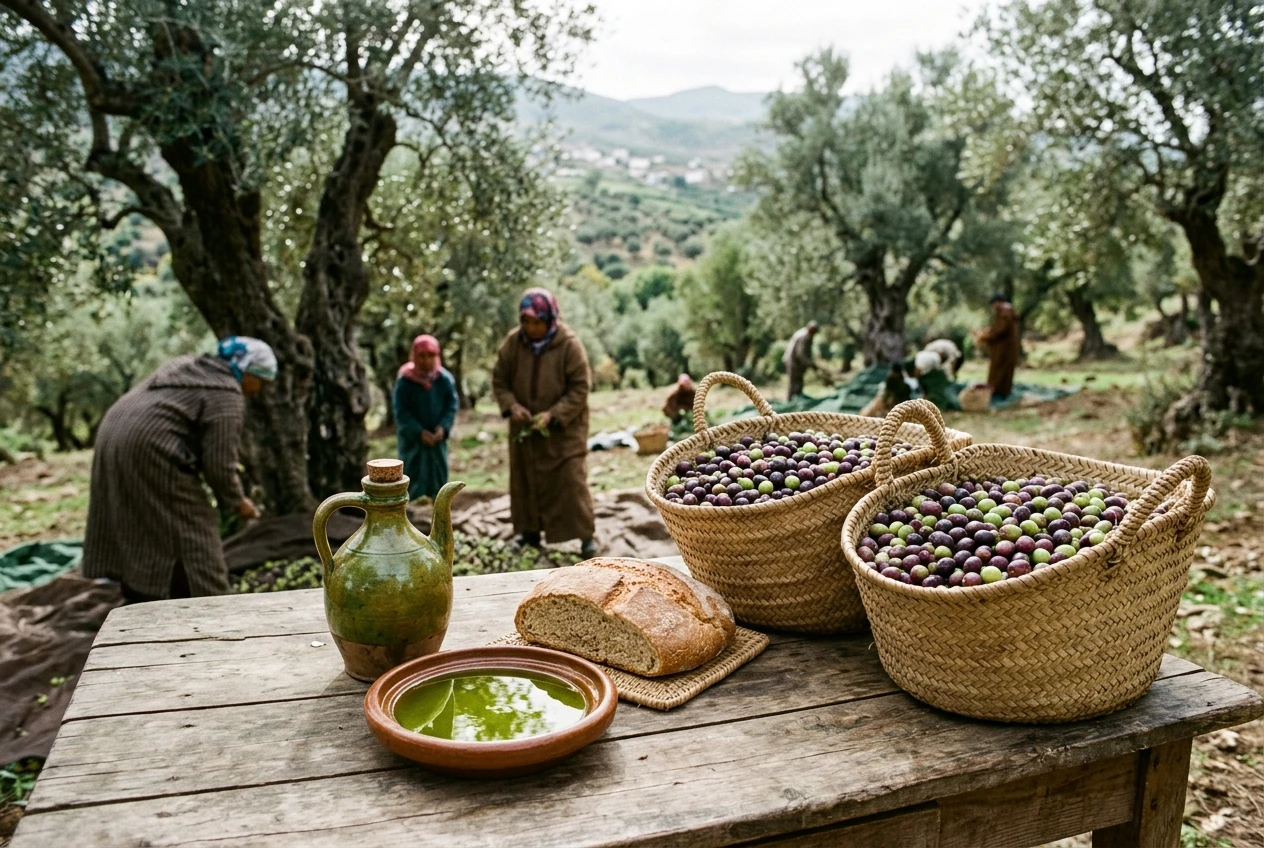
- Gastronomic Tourism: Connecting international tour operators directly with rural culinary routes: the Olive Tree Route in the Saïss plain, the Saffron Trail in the Anti-Atlas, and the Atlantic Seafood Circuit from Safi to Dakhla.
Practical Information for Trade Visitors and Food Enthusiasts
For professionals and culinary travelers planning to attend Morocco Food Expo 2026:
- Location: Office des Foires et Expositions de Casablanca (OFEC), positioned directly across from the iconic Hassan II Mosque overlooking the Atlantic Ocean.
- Registration: Professional trade visitors (importers, distributors, chefs, hospitality managers) can register online via the official portal for complimentary B2B badges. General public admission is opened on dedicated afternoon sessions.
- B2B Networking: The Expo features dedicated private meeting lounges facilitated by the Moroccan Agency for Agricultural Development (ADA) to broker export contracts between local farming cooperatives and international retail buyers.
Frequently Asked Questions
What are “Produits de Terroir” in Moroccan agriculture?
Produits de Terroir refers to authentic agricultural and food products whose unique quality, taste, and reputation derive strictly from their specific geographical origin, local soil chemistry, microclimate, and hereditary human craftsmanship. Examples include Taliouine saffron, Souss argan oil, and Chefchaouen mountain goat cheese.
How does Morocco Food Expo support rural women’s cooperatives?
The Expo provides sponsored exhibition pavilions and free international commercial matchmaking for women’s agricultural cooperatives (Coopératives Féminines), enabling rural female artisans from the Atlas and Sahara to bypass predatory middlemen and export their argan oil, honey, and medicinal herbs directly to global distributors.
What languages are used at Morocco Food Expo?
The official working languages of the exhibition are French, English, and Arabic, with multilingual translation services available for international trade delegations from Asia, Europe, and the Americas.
How is Moroccan food diplomacy expanding globally?
Through partnerships with Moroccan embassies, international culinary competitions, and participation in major global food festivals, Morocco actively promotes its cuisine as a bridge of cultural understanding, boosting inbound luxury tourism and opening foreign consumer demand for Moroccan olive oils, canned sardines, and specialty condiments.
What are the main exhibition sectors featured at the Morocco Food Expo?
The annual exhibition showcases the entire spectrum of Moroccan agro-industry, including pure cold-pressed argan oil, certified organic olive oil cooperatives, dates from the Draa and Ziz valleys, coastal canned sardines, artisanal cheeses, and modern food-processing and packaging machinery.
Can international culinary professionals arrange B2B meetings during the event?
Yes, the expo features dedicated business matchmaking pavilions where international importers, restaurateurs, and distributors can meet directly with Moroccan cooperative leaders, regional agricultural agencies, and food exporters to establish direct fair-trade supply chains.
Experience the true heart of Moroccan heritage through its culinary traditions. Join us in preserving and honoring these ancestral recipes.
What People Are Saying
No comments yet. Be the first — we'd love to hear from you.
Houssam Elmrabet
Culturally Verified & Fact-CheckedHoussam Elmrabet is a Moroccan researcher in territorial marketing and cultural heritage preservation. His work documents regional gastronomic identities, local agricultural heritage, and how ancestral culinary traditions define authentic territorial branding across the Kingdom.