Morocco’s Water Adventures: Kayaking, Canyoning, and Wild Swimming Spots
Morocco’s Water Adventures: Kayaking, Canyoning, and Wild Swimming Spots
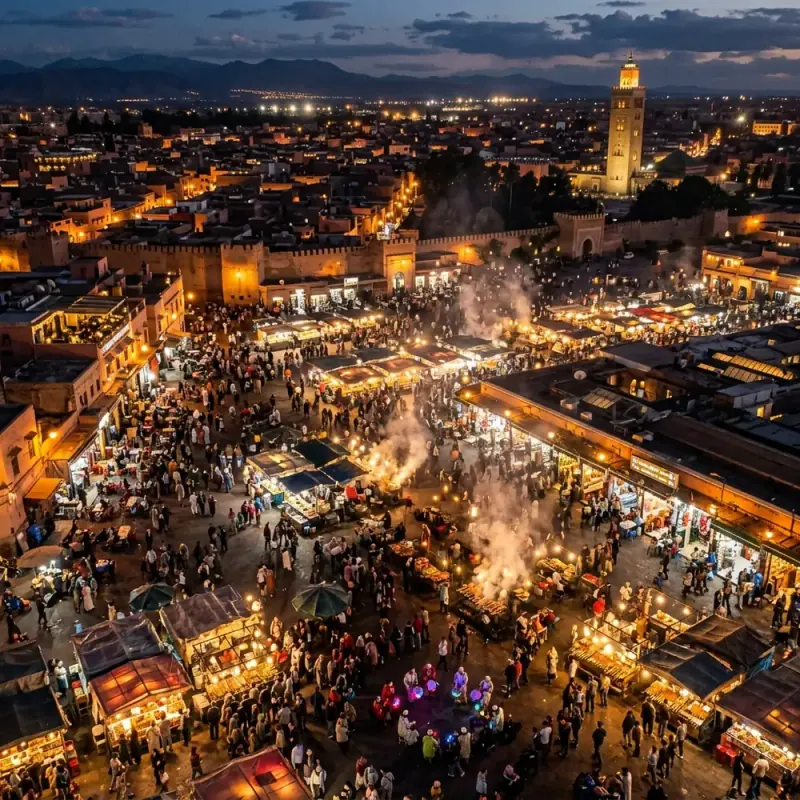
There is a specific kind of heat in Marrakech in July. It sits on your shoulders like a physical weight, baking the red clay walls and making the air shimmer above the asphalt. When that heat hits, the instinct isn’t to retreat to an air-conditioned hotel room. The instinct — the Moroccan instinct — is to head for the water.
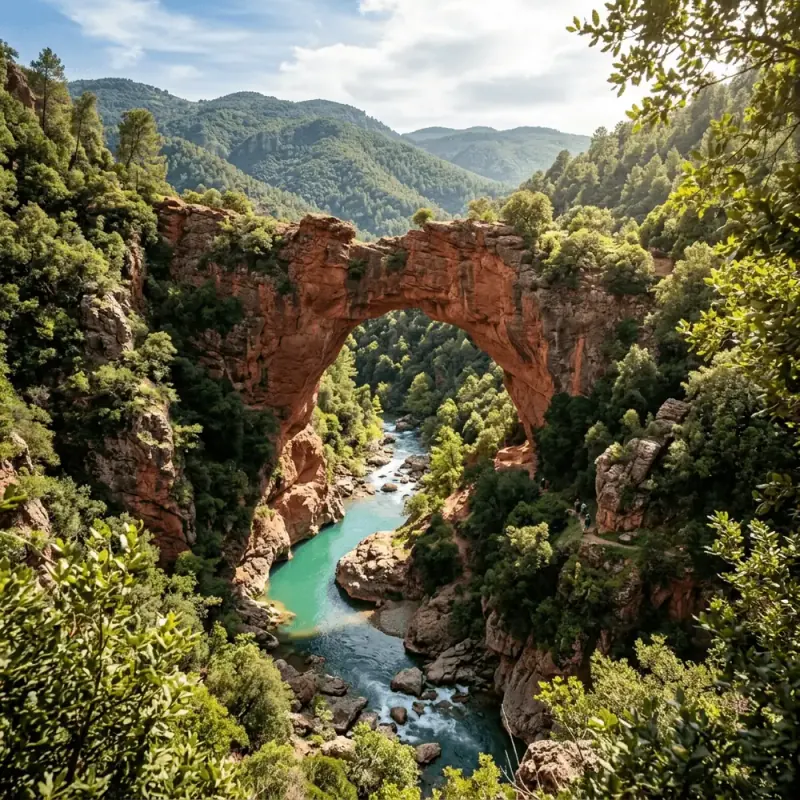
Most visitors know about the Atlantic surf. But fewer realize that the interior of Morocco holds some of the most dramatic and refreshing water adventures in North Africa. Snowmelt from the High Atlas creates fast-flowing rivers that carve through limestone gorges, leaving a trail of emerald pools, waterfalls, and white-water rapids.
If you want to experience Morocco beyond the medina, you need to get wet. Here is how and where to do it.
1. Canyoning the Ahansal River and Ouzoud
Canyoning — the sport of navigating a river gorge by walking, scrambling, climbing, jumping, and abseiling — is relatively new to Morocco, but the geography is world-class.
The epicenter of Moroccan canyoning is the region around the Ahansal River in the central High Atlas. The limestone geology here is deeply fissured.
The canyons vary from accessible beginner routes to highly technical descents requiring rope skills. You wear a thick wetsuit (the mountain water is freezing, even in August), a helmet, and a harness. You spend the day sliding down natural rock flumes, jumping from cliffs into deep, clear plunge pools, and abseiling down waterfalls.
Further west, the area around the famous Ouzoud Waterfalls offers excellent, slightly more accessible canyoning. While tourists crowd the main Ouzoud viewing platforms, canyoning groups hike up above the main falls and descend through the upper gorges, completely isolated from the crowds, surrounded by macaque monkeys and fig trees.
Safety Note: You must go with a certified guiding company. Flash floods in these narrow canyons are a lethal reality if you don’t know how to read the weather patterns in the high mountains.
2. White-Water Rafting the Ahansal
In the spring, when the Atlas snowpack melts, the Ahansal River becomes a roaring torrent that eventually feeds into the massive Bin el Ouidane reservoir.
For a brief window — usually between late March and early May — this river offers some of the best commercial white-water rafting in Africa. The classic trip is a multi-day expedition. You raft through Class III and IV rapids during the day, navigating through sheer-walled canyons that are inaccessible by road, and camp on the sandy riverbanks at night.
The contrast is extraordinary: you are fighting freezing, powerful white water, but the canyon walls above you are baked by the hot Moroccan sun, dotted with the ruins of ancient Kasbahs. It is an expedition in the truest sense of the word.
3. Wild Swimming in Paradise Valley and Akchour
If you don’t want the adrenaline of canyoning, Morocco offers stunning wild swimming spots, though they require a bit of effort to reach.
Paradise Valley (Near Agadir): About an hour’s drive from Agadir, the Tamraght River has carved a series of smooth rock pools into the gorge. The water is a striking, vivid green, surrounded by palm trees and oleander. Ten years ago, this was a hippy secret. Today, it is very popular. To get the magic, you must hike past the first two main pools. Keep walking upstream for another 30 minutes, and you will find deep, quiet pools where you can swim in absolute peace.
Akchour Waterfalls (The Rif Mountains): Near Chefchaouen, the trail to the Grand Cascade of Akchour follows a cold, clear mountain river. There are dozens of small pools along the way, but the reward is the pool at the base of the 100-meter waterfall. The water is staggeringly cold, but after a two-hour hike in the northern sun, the shock to the system is exactly what you need.
Cultural Note on Swimming: When wild swimming in Morocco, especially in areas frequented by Moroccan families, modesty is appreciated. While a bikini is fine at a hotel pool, wearing a one-piece or throwing a T-shirt and shorts over your swimwear at a local river spot is a respectful gesture that makes everyone more comfortable.
4. Kayaking the Oualidia Lagoon
For a completely different pace, the Atlantic coast offers the Oualidia Lagoon. Protected from the raw power of the ocean by a natural sandbar, the lagoon is a 7-kilometer stretch of calm, tidal water.
Renting a sea kayak here is one of the most peaceful experiences available on the coast. You paddle past the oyster farms (for which the town is famous), navigate between sandbanks exposed at low tide, and watch the flocks of pink flamingos and herons that use the lagoon as a migratory stopover.
Because there is no surf and the water is shallow, it is perfectly suited for families or absolute beginners. The best time to paddle is early morning, when the wind is completely still and the water reflects the sky like a mirror.
The Honest Truth About Moroccan Water
Morocco’s water adventures are spectacular, but they require a degree of self-reliance. Infrastructure is minimal. If you are wild swimming, there are no lifeguards. If you are canyoning, rescue services are hours away.
You have to respect the environment. Check weather forecasts rigorously (rain in the mountains can cause flash floods miles downstream in sunny valleys). Pack out all your trash.
But if you are willing to put on a wetsuit or hike up a hot valley to find a hidden pool, you will see a side of Morocco that the tour buses never reach. You will understand how water shapes this entire country.
Experience the true heart of Moroccan heritage through its culinary traditions. Join us in preserving and honoring these ancestral recipes.
What People Are Saying
No comments yet. Be the first — we'd love to hear from you.
Youssef El Alaoui
Culturally Verified & Fact-CheckedThe Moroccan Food editorial team brings together native culinary researchers, heritage preservationists, and experienced home cooks across Marrakech, Fes, and Casablanca. Every recipe and cultural guide is reviewed against ancestral oral traditions and authentic regional practices.