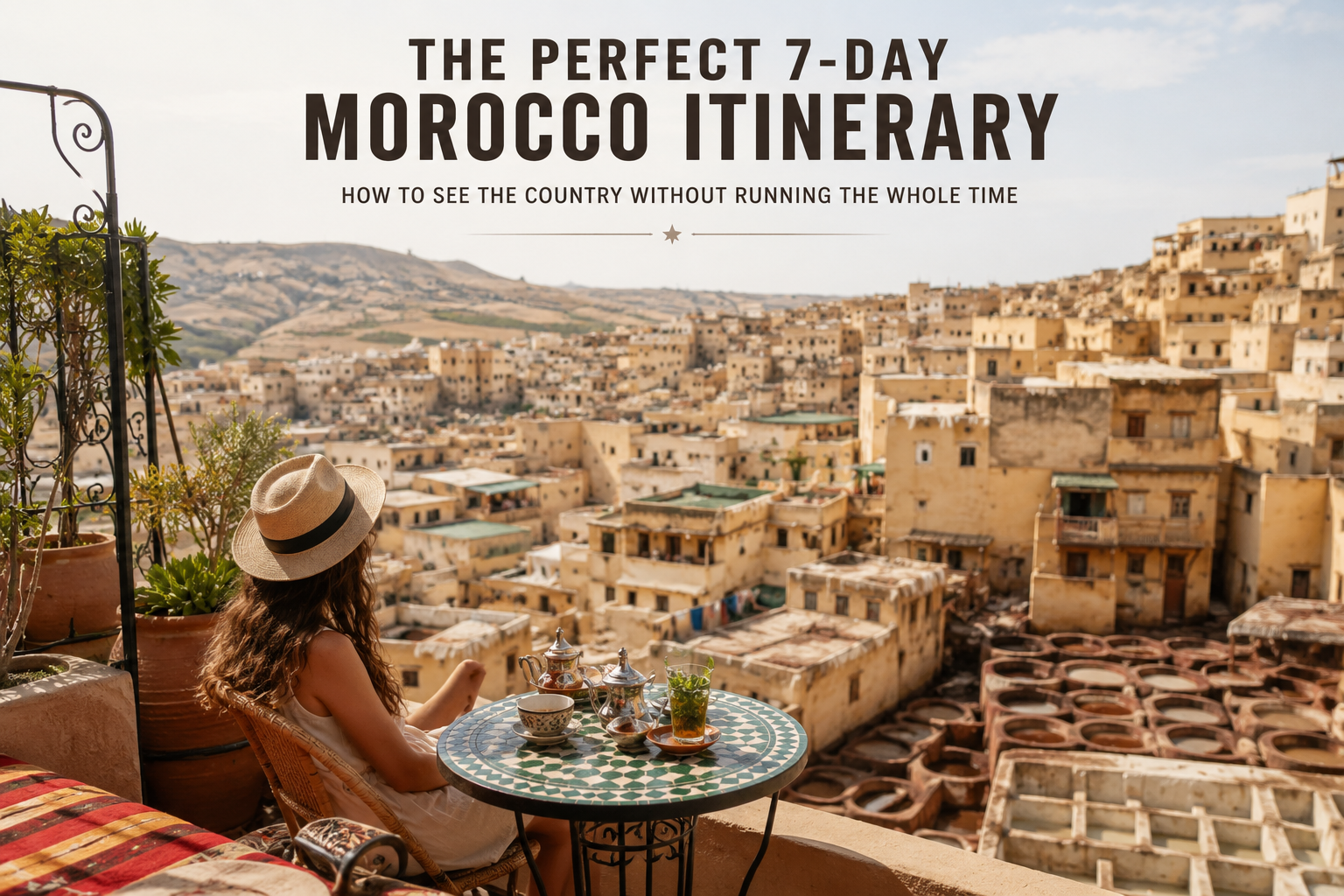
Morocco with Kids or Family: Best Family-Friendly Activities, Accommodations, and Cultural Tips
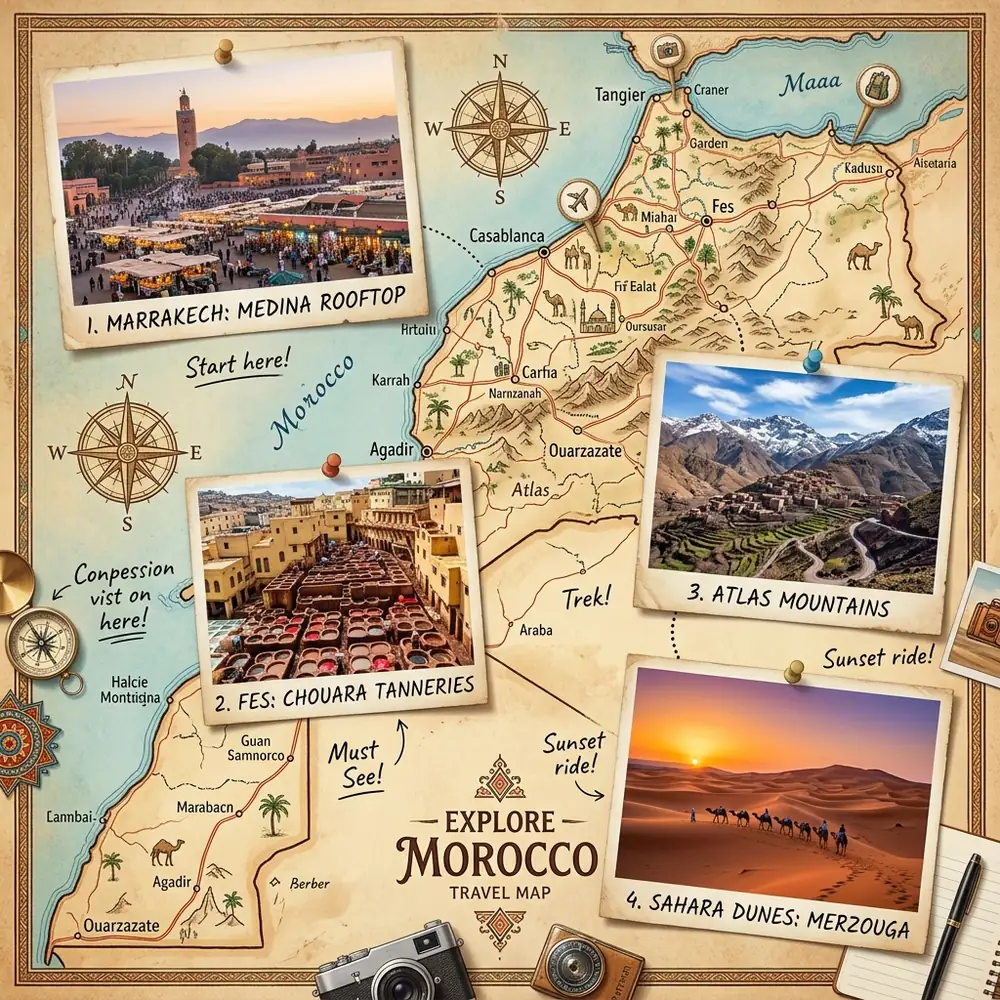
Morocco with Kids or Family: Best Family-Friendly Activities, Accommodations, and Cultural Tips
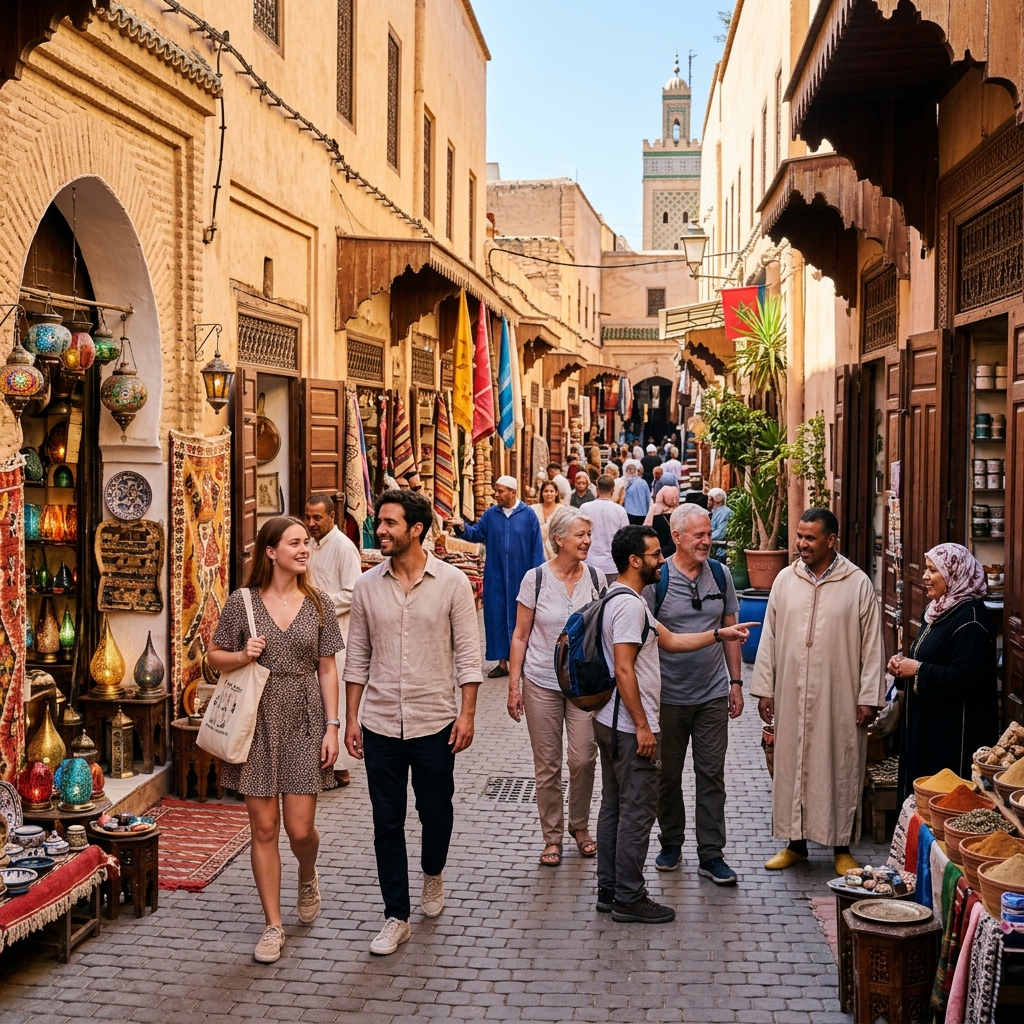
I’ve watched the expression on children’s faces when they arrive in a Moroccan medina for the first time — the sensory overwhelm, the donkeys, the smell of spices and leather and charcoal smoke, the narrow alleys that appear to lead nowhere and then open suddenly into a square filled with light — and it’s one of my favorite things about traveling with families here. Children often see Morocco more clearly than adults. They haven’t learned yet to filter experience through expectation.
But I also know that traveling with children requires a different kind of planning. Nap schedules, dietary restrictions, temperature management, the logistics of medina navigation with a pushchair — these are real considerations. This guide is the honest version: what works, what doesn’t, and how to build a family trip to Morocco that actually delivers on its promise.
Is Morocco Suitable for Young Children?
Yes, with appropriate preparation. Morocco is a deeply family-oriented culture — children are welcomed, fussed over, and included in almost every social context. Moroccans adore children, which means you’ll rarely feel unwelcome anywhere and your children will receive warmth and attention that may be startling in its sincerity if you’re used to Northern European social norms.
The medina environments — narrow, crowded, trafficked by motorbikes and donkeys rather than cars — are not ideal for pushchairs and can be exhausting for very young children. Carriers are significantly more practical than strollers for the medinas. For older children (over five or six), the medina is a genuine adventure.
Hygiene standards in Morocco’s top-tier accommodation and restaurants are excellent. Street food requires more judgment (hot, freshly cooked items from busy stalls are generally fine; pre-prepared or re-heated items require more caution). Bottled water is essential for the whole family.
The Best Cities for Family Travel
Agadir: The Easiest Introduction
Agadir is where Moroccan family tourism infrastructure is most developed and most European in style. The beach is exceptional — a 10-kilometer stretch of calm, clean sand that’s genuinely safe for children, with the Atlantic surf contained enough to be playful rather than dangerous. The promenade along the beachfront has pedal carts, ice cream vendors, and a general holiday-resort atmosphere that children respond to enthusiastically.
The city itself is modern, relatively easy to navigate, and has several excellent family-oriented hotels with pools, kids’ clubs, and other standard resort infrastructure. It’s less culturally intense than Marrakech or Fes, which is either a limitation or a relief depending on what you’re looking for.
For a first Morocco trip with children under five, Agadir is the least stressful base.
Marrakech: High Reward, Requires Planning
Marrakech with children is extraordinary if you manage the logistics. The Djemaa el-Fna — especially in the early evening, when the snake charmers and acrobats are performing in full force — is a genuinely thrilling experience for children over six. The palm grove (Palmeraie) and its camel rides are a reliable favorite. The carriage rides (calèches) around the city walls are exactly the kind of gentle adventure that children love and adults pretend to find silly.
The best family accommodation in Marrakech is a riad with a pool — and there are several excellent ones specifically marketed to families, with separate sleeping areas, safe outdoor spaces, and hosts who understand the logistics of traveling with children.
The souks require patience and clear-headedness. Going in with a young child means accepting that you’ll cover perhaps 40% of what you’d manage alone. That’s fine. The parts you do cover, they’ll remember.
Essaouira: The Family Coast
For families with children who need space to run, sea air, and freedom from the medina intensity, Essaouira is the answer. The beach is enormous — 12 kilometers of firm Atlantic sand — and while the surf is too strong for small children (the Atlantic here is powerful), the beach itself is a wonderful playground. The wind that makes Essaouira famous is a delight for kite-flying, less amusing for anyone trying to eat outdoors.
The medina of Essaouira is significantly smaller and less overwhelming than Marrakech or Fes, making it more manageable with children in tow. The ramparts (Sqala de la Ville) offer a safe, open walkway with cannon views that children find genuinely exciting.
The Atlas Mountains With Children
A day trip from Marrakech to the lower Atlas — specifically to the valleys around Imlil and the Ourika Valley — is one of the best family activities Morocco offers. The Ourika Valley, about 60 kilometers from Marrakech, has a fast-running river that children can paddle in, traditional Berber villages where families are welcoming, and a relatively easy drive that doesn’t require a 4WD vehicle.
The Setti Fatma waterfalls at the end of the Ourika Valley involve a short but genuinely exciting hike alongside a fast river — perfect for children over seven or eight.
For families with older children and teenagers, an overnight stay in Imlil and a gentle walk into the Atlas valleys is a genuine adventure that doesn’t require technical hiking experience.
The Sahara with Children: The Dream and the Reality
Every parent I know who has taken their children to the Sahara describes it as one of the best decisions they’ve made. The reaction of children to the dunes — running up them, rolling down them, burying each other in the sand, discovering that the desert is silent in a way they’ve never experienced before — is genuinely moving.
The practical considerations for children in the Sahara: the camel rides are suitable for children from about age five upward, with an adult sitting behind for security. The overnight camps have sleeping arrangements that vary — check whether family tents with proper beds are available if you’re traveling with young children. The temperature swing between day and night is significant — desert evenings can be cold even in summer — so pack a warm layer.
Avoid the Sahara in July and August with young children: the midday temperatures are unsafe for children and require indoor confinement that removes the whole point of being there.
Food: What Children Will Eat
Moroccan food is generally friendly to children. The flavors are complex but not aggressively spiced — the heat that Western visitors sometimes fear is mild by Thai or Indian standards. Couscous, chicken tagines with olives and preserved lemon, kefta (ground lamb meatballs), fresh bread (khobz), and the Moroccan pancakes (msemen and baghrir with honey) are almost universally popular with children.
French fries and pizza are available everywhere that caters to tourists, but trying them on Moroccan food first is strongly recommended — you’ll be glad you did and so, eventually, will they.
Fresh-squeezed orange juice from the stands on Djemaa el-Fna is one of the great simple pleasures of Morocco travel, for children and adults alike.
Cultural Tips for Family Travel
Moroccan social culture is exceptionally welcoming to children, which means strangers will interact with your children — touching cheeks, giving small sweets, engaging in conversation — more than is common in Northern European contexts. Most of this is genuine warmth. Teaching your children a simple ‘Shukran’ (thank you) is the right response.
Dress the children modestly in traditional areas — not formally, but with covered shoulders and reasonable length skirts or shorts. This isn’t a strict requirement but it eases interactions in more traditional neighborhoods.
Respect Friday as the Islamic holy day. Mosque visits by non-Muslims are restricted, and some businesses close for the midday prayer. This is a normal part of life in Morocco rather than an inconvenience — it’s also a good opportunity to explain to older children something about the rhythm of Islamic cultural life.
The Summary: Is Morocco Worth It With Children?
Absolutely yes. The sensory richness of Morocco — the sounds, the smells, the colors, the tastes, the animals — is extraordinary for children, who experience the country with an immediacy that adults often struggle to recover after years of travel. The cultural warmth toward children means you’ll rarely feel unwelcome. The diversity of experiences — city medinas, mountain villages, desert camps, Atlantic beaches — gives something to every type of family.
Go prepared. Go patient. And watch your children remember it for the rest of their lives.
Experience the true heart of Moroccan heritage through its culinary traditions. Join us in preserving and honoring these ancestral recipes.
What People Are Saying
No comments yet. Be the first — we'd love to hear from you.
Fatima Zahra Benmoussa
Culturally Verified & Fact-CheckedThe Moroccan Food editorial team brings together native culinary researchers, heritage preservationists, and experienced home cooks across Marrakech, Fes, and Casablanca. Every recipe and cultural guide is reviewed against ancestral oral traditions and authentic regional practices.