Morocco’s Youth in 2026: Entrepreneurship, Dreams, and the Changing Face of Morocco
Morocco’s Youth in 2026: Entrepreneurship, Dreams, and the Changing Face of Morocco
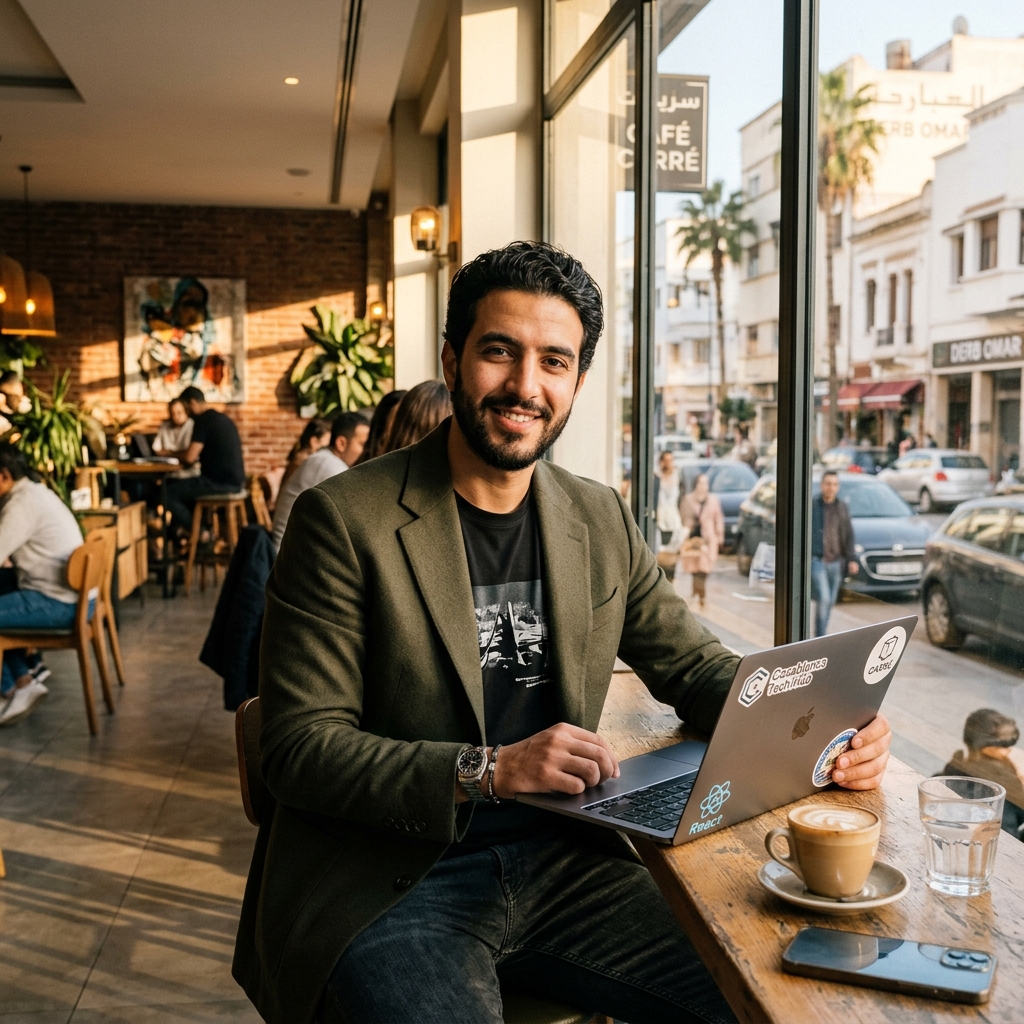
Walk into a co-working space in Casablanca’s Technopark, or a specialty coffee shop in the Agdal neighborhood of Rabat, and the scene will immediately dismantle any outdated stereotypes you might hold about Morocco. You will see young men and women in their twenties building fintech startups, coding AI applications in a fluid mix of Darija, French, and English, and discussing seed funding rounds.
Morocco is a young country. Over 60% of the population is under 30. This demographic reality is the single most important factor shaping the country’s future. The youth of 2026 are the most educated, the most digitally connected, and the most globally aware generation in Moroccan history. They are also navigating a complex transition, balancing deeply ingrained traditional values with the aggressive realities of a modernizing economy.
To understand Morocco today, you have to understand them.
The Rise of the Hustle: Startups and Entrepreneurship
For previous generations, the ultimate symbol of success was securing a stable, salaried position in the public sector — becoming a fonctionnaire. That dream is largely dead. The public sector cannot absorb the hundreds of thousands of graduates entering the job market every year.
Instead, there has been a massive cultural shift toward entrepreneurship. The Moroccan government, recognizing the urgency of youth employment, has introduced several initiatives, including the ‘Intelaka’ program, which provides low-interest loans to young entrepreneurs with no collateral requirements.
We are seeing a boom in startups across various sectors. In Casablanca, tech startups are tackling African logistics, digital payments (essential in a cash-heavy society), and agritech (vital for a country facing severe water shortages). In Marrakech and Essaouira, the entrepreneurship leans toward sustainable tourism, eco-friendly fashion brands that reimagine traditional artisan work, and digital nomad infrastructure.
What still surprises me even today is the sheer resilience of these young founders. The Moroccan bureaucracy can still be formidable, and accessing large-scale venture capital remains harder here than in Europe. But the hustle is undeniable. They are building solutions for Moroccan problems, rather than just copying Western models.
The Digital Reality: Social Media and Identity
This generation lives on TikTok, Instagram, and X (formerly Twitter) just as much as their global peers. But how they use these platforms is distinctly Moroccan.
Social media has become the primary arena for negotiating Moroccan identity. You see young Amazigh (Berber) creators using TikTok to teach Tachelhit and celebrate indigenous history. You see young women debating feminism, modest fashion, and legal rights in Instagram Reels. You see comedians producing razor-sharp social satire in Darija that racks up millions of views.
Crucially, the internet has democratized access to the world. A teenager in a rural village in the High Atlas has the same access to global pop culture, coding tutorials, and international news as a teenager in Paris. This digital proximity has raised expectations dramatically. Moroccan youth want the same opportunities, the same standard of living, and the same freedoms they see online.
The Brain Drain vs. The Brain Gain
The challenge of retaining talent is real. The ‘brain drain’ (fuite des cerveaux) is a frequent topic in the Moroccan press. Every year, thousands of highly trained engineers, doctors, and IT specialists emigrate to France, Canada, and Germany, seeking higher salaries and better professional infrastructure.
However, in recent years, a counter-trend has emerged. A growing number of young Moroccans are choosing to stay, or to return after studying abroad. They look at the saturated markets of Europe and see limited upward mobility. Then they look at Morocco — and the broader African continent — and see raw opportunity. They are choosing to be big fish in a rapidly expanding pond.
The Cultural Tension: Tradition Meets Modernity
The youth of 2026 are walking a tightrope. They are fiercely proud of their Moroccan heritage — you only had to see the nationwide, ecstatic celebrations during the 2022 World Cup to understand the depth of their patriotism. They still prioritize family above almost everything else, and they still observe traditions like Ramadan and Eid with deep respect.
But they are also pushing against the boundaries of traditional societal expectations.
We see this in the changing dynamics of marriage. The average age of marriage is rising significantly as young people prioritize education and financial stability. There is a growing demand for more progressive family laws and greater individual liberties. Mental health, a deeply taboo subject in previous generations, is now openly discussed by young people on podcasts and social media.
The Generational Promise
If you visit Morocco and only interact with hotel staff and tour guides, you will miss the energy of this generation.
Next time you are in Casablanca or Rabat, go to a modern café near a university. Strike up a conversation. You will meet a generation that is completely multilingual, incredibly hospitable, and hungry to prove themselves on a global stage.
They are not waiting for the future to be handed to them. They are actively building it, typing lines of code and pouring glasses of mint tea, fully Moroccan and entirely modern.
Experience the true heart of Moroccan heritage through its culinary traditions. Join us in preserving and honoring these ancestral recipes.
What People Are Saying
No comments yet. Be the first — we'd love to hear from you.
Omar Kettani
Culturally Verified & Fact-CheckedThe Moroccan Food editorial team brings together native culinary researchers, heritage preservationists, and experienced home cooks across Marrakech, Fes, and Casablanca. Every recipe and cultural guide is reviewed against ancestral oral traditions and authentic regional practices.