Preserved Lemons (L'hamd Mssayer): The Salted Tang of Moroccan Stews
Preserved Lemons (L’hamd Mssayer): The Salted Tang of Moroccan Stews
There is a distinct flavor in Moroccan cooking that often puzzles foreigners. It is incredibly bright, intensely salty, deeply citrusy, but without the sharp, acidic bite of fresh lemon juice. It gives a luxurious, umami-rich depth to our sauces.
That secret ingredient is L’hamd Mssayer—the Moroccan preserved lemon.
Time and Salt
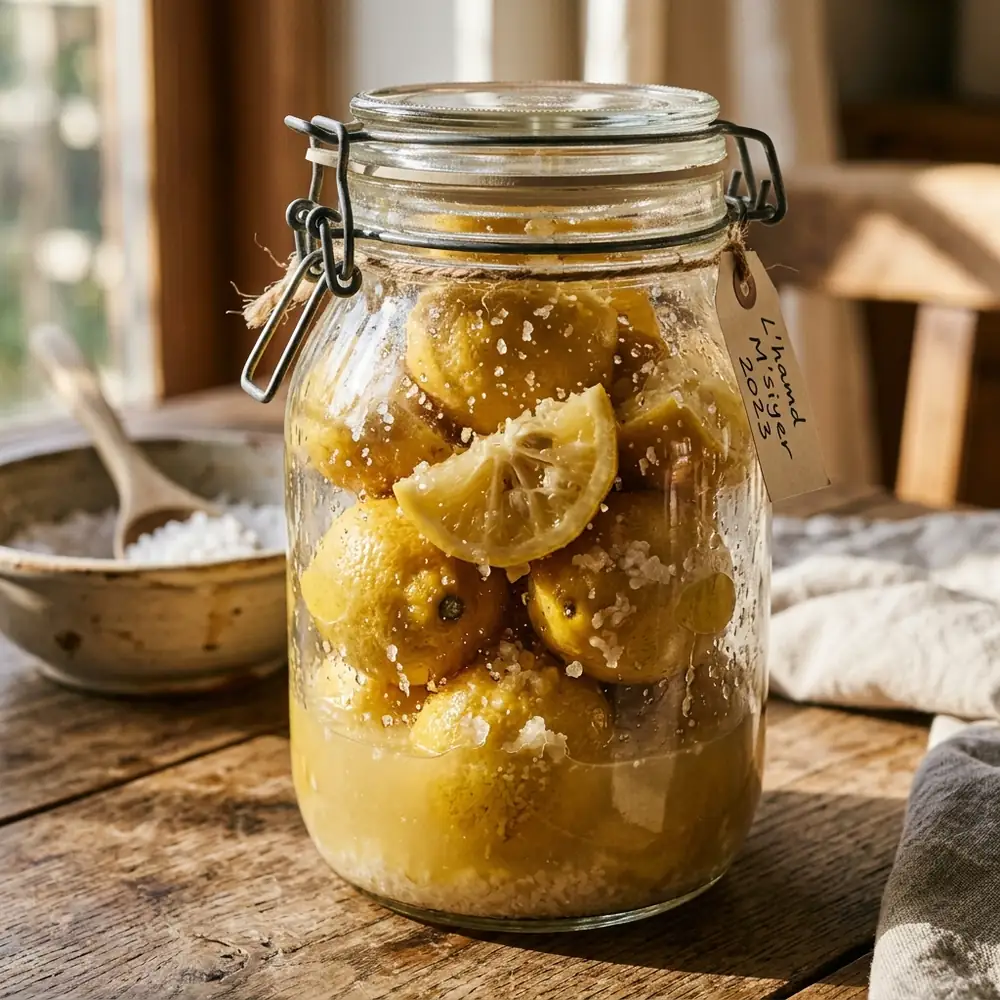
We do not use ordinary lemons for this process. We use the Doqq or Boussera varieties, which are small, round, and incredibly fragrant.
The preservation process is an exercise in patience. The lemons are washed, quartered (but kept attached at the base), and packed heavily with coarse sea salt. They are squeezed tightly into glass jars to release their natural juices, sealed, and left in a dark cupboard for at least a month.
During this time, fermentation occurs. The harsh acid mellows, the bitter pith turns sweet, and the rind transforms into a soft, translucent, jelly-like texture.
The Rind vs. The Flesh
When a Moroccan recipe calls for preserved lemon, it is almost exclusively asking for the rind. The salty, pulpy flesh is usually scraped out and discarded (or sometimes blended into marinades), while the fragrant, softened rind is slivered and added to the tajine.
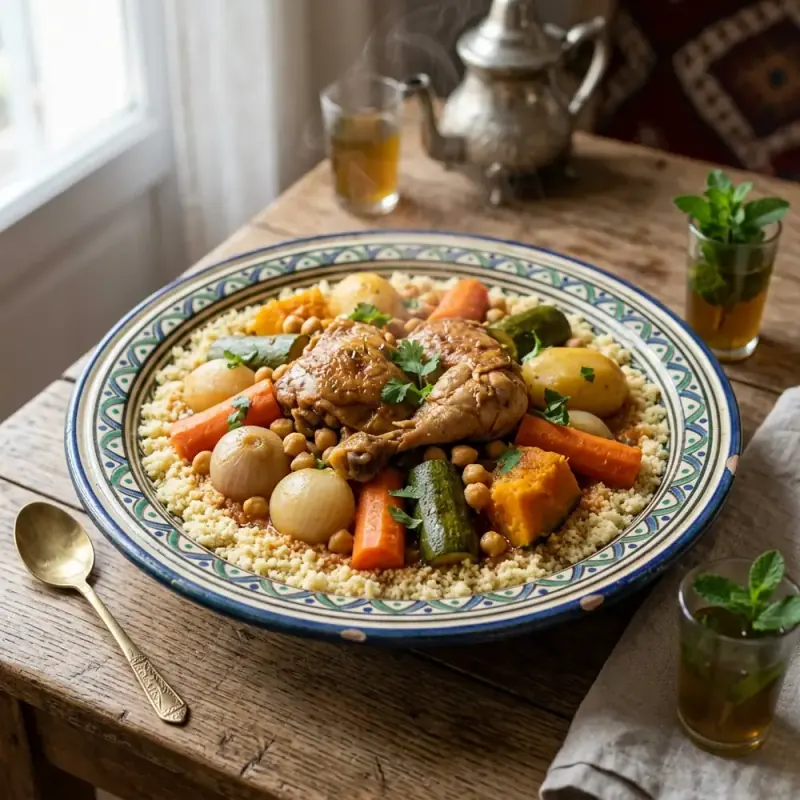
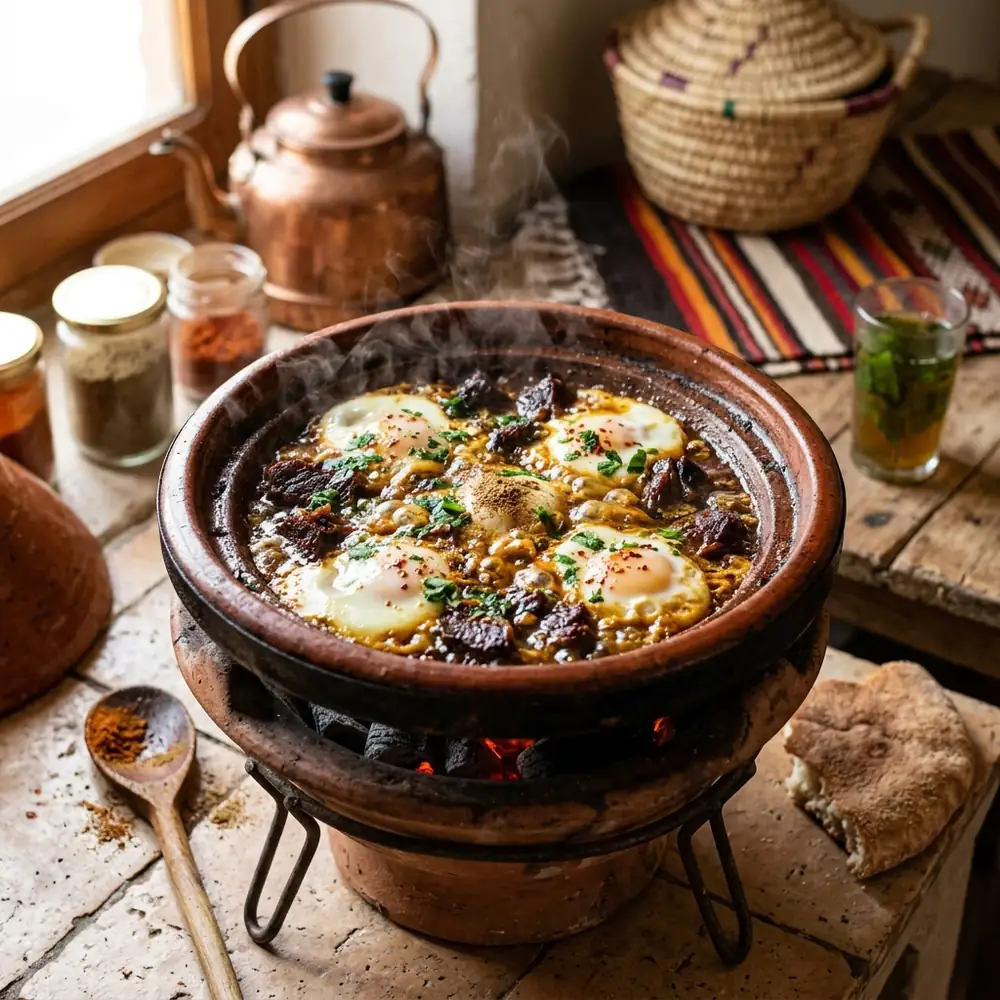
It is the non-negotiable cornerstone of Chicken Tajine with Olives and Preserved Lemon, the sharp counterpoint in a rich Fish Chermoula Tajine, and the hidden tang in the lively Zaalouk eggplant dip. It is proof that in the Moroccan kitchen, time is just as important an ingredient as the spices themselves.
Experience the true heart of Moroccan heritage through its culinary traditions. Join us in preserving and honoring these ancestral recipes.
What People Are Saying
No comments yet. Be the first — we'd love to hear from you.
Ghina Mrabet
Culturally Verified & Fact-CheckedThe Moroccan Food editorial team brings together native culinary researchers, heritage preservationists, and experienced home cooks across Marrakech, Fes, and Casablanca. Every recipe and cultural guide is reviewed against ancestral oral traditions and authentic regional practices.