Smoked Paprika vs. Sweet Paprika: A Master Moroccan Distinction
archived: false
In international culinary discussions, home cooks frequently lump all red pepper powders under the single broad label of “paprika.” When preparing Moroccan dishes, Western food blogs often call for Spanish smoked paprika (Pimentón de la Vera), assuming that a smoky undertone must naturally belong in every rustic North African stew.
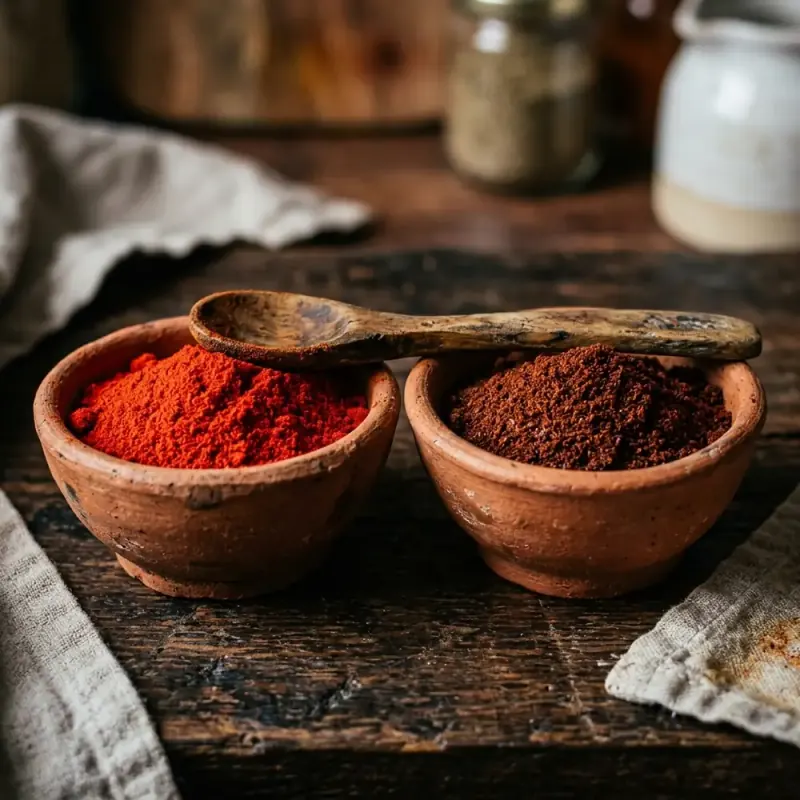
However, enter an authentic Moroccan home kitchen or watch a master cook (Dada) assemble a classic tagine in Fez, and you will discover a completely different reality: authentic Moroccan sweet paprika, known universally in Moroccan Darija as Tahmira (or Felfla Hamra Hlouwa), is celebrated for its bright, sun-ripened, fruity pepper sweetness, unclouded by heavy woodsmoke. Understanding how, when, and why sweet paprika rules the Moroccan pantry, and where woodsmoke genuinely belongs, is the key to mastering Maghrebi culinary balance.
The Journey of the Capsicum: From the Americas to North Africa
Like tomatoes, squash, and potatoes, sweet and chili peppers (Capsicum annuum) are native to the Americas. Following the transatlantic voyages of the late fifteenth century, Spanish and Portuguese navigators brought pepper seeds back to the Iberian Peninsula.
During the sixteenth and seventeenth centuries, through extensive trade routes and the migration of Andalusian communities across the Strait of Gibraltar, sweet peppers flourished in the fertile river valleys of Morocco, particularly in the sun-drenched agricultural plains of Tadla, Beni Mellal, and the Gharb:
- Sun-Drying Mastery: In Morocco, ripe crimson sweet round peppers (Niora style) were harvested in late summer, split by hand, and laid out on vast clean straw mats to dehydrate slowly under the blazing Mediterranean sun.
- The Stone Mill (Rha): Once bone-dry, the sweet dried pepper skins were ground between heavy volcanic stone mill wheels. To prevent the friction heat from dulling the brilliant red color, Moroccan millers traditionally added a few drops of pure olive oil (Zit Zitoun) to the millstones, yielding a silky, deeply red, oil-enriched powder.
Sweet Tahmira: The Workhorse of the Moroccan Sauce
Authentic Moroccan Tahmira is characterized by:
- A brilliant ruby-brick red color.
- A naturally sweet, fruity, sun-dried aroma reminiscent of ripe bell peppers and dried cherries.
- Zero burning heat and zero scorched woodsmoke flavor.
Because Moroccan cooking is built upon the delicate balance of fresh herbs (flat-leaf parsley, cilantro), crushed garlic, golden olive oil, and gentle warm spices (cumin, ginger, saffron), using heavy, aggressive Spanish smoked paprika (Pimentón de la Vera) would instantly overpower the pan, obliterating the fresh taste of seafood, tender vegetables, and poultry.
Tahmira serves three essential culinary functions:
- Color Architecture: Imparts an appetizing, warm terracotta-red glow to sauces, broths, and marinades without using artificial colorants.
- Natural Thickening: The natural fruit sugars and fibrous plant solids in stone-ground paprika gently emulsify with hot olive oil and stewed onion juices, helping to reduce cooking liquids into a rich, glossy sauce (Dghmira).
- Sweet Flavor Foundation: Provides a round, sweet fruity base that balances the sharp acidity of fresh tomatoes, preserved lemons, and vinegar.
Where Woodsmoke Actually Belongs in Moroccan Gastronomy
This does not mean smoke flavor is absent from Moroccan cooking; rather, smoke in Moroccan gastronomy comes from the fire beneath the cookware, not from the spice jar:
- Charcoal Tagines (Al-Majmar): When a tagine simmers for hours over glowing oak coals in a clay brazier, tiny plumes of natural hardwood smoke curl gently under the conical lid, infusing the sauce with authentic outdoor woodsmoke.
- Charred Bell Peppers in Taktouka: Rather than using smoked pepper powder, authentic Taktouka gets its smoky depth by blistering whole fresh green and red peppers directly over open coals, peeling the charred skins, and slow-cooking the sweet fire-roasted flesh with raw sweet paprika and stewed tomatoes.
- Pit-Roasted Mechoui: Slow-cooked over whole oak and citrus roots in underground earthen pits.
The Chermoula Acid Test
The definitive proof of sweet paprika’s superiority is Chermoula, the sacred herb marinade used across the Atlantic coast for grilled sardines, sea bass tagines, and fried calamari:
Chermoula requires fresh minced cilantro, parsley, crushed garlic, sea salt, ground cumin, freshly squeezed lemon juice, olive oil, and generous heaps of sweet Tahmira. The bright, sweet fruitiness of the sun-dried paprika highlights the oceanic freshness of the seafood. Introducing heavy smoked paprika turns Chermoula muddy, bitter, and conflictingly heavy on the tongue.
Frequently Asked Questions
Can I ever use Spanish smoked paprika in Moroccan cooking?
If you are cooking on a modern electric induction stove and want to mimic the faint woodsmoke aroma of an outdoor charcoal brazier (Majmar), you can add a tiny pinch (no more than 1/8 teaspoon) of Spanish smoked paprika alongside your generous tablespoon of sweet paprika. However, treat it as an occasional background note, not the primary flavor.
How do I store Moroccan Tahmira to keep its deep red color?
Paprika is exceptionally sensitive to light and heat oxidation. Store your Tahmira in an airtight tin canister or dark amber glass jar in a cool, dark kitchen pantry away from your stovetop. When exposed to heat and sunlight, paprika oxidizes into a dull, stale, brown powder within three months.
Is Hungarian sweet paprika an acceptable substitute for Moroccan Tahmira?
Yes, high-grade Hungarian sweet paprika (Édesnemes) is an excellent substitute. It is produced from sun-dried sweet peppers without woodsmoke and shares the same bright fruitiness and vivid red color as authentic Moroccan stone-ground Tahmira.
What is the difference between Tahmira and Harissa?
Tahmira is pure dried sweet bell pepper powder with zero heat. Harissa is a fiery red chili paste made from crushed hot cayenne and bird’s eye chili peppers (Sudaniya), blended with garlic, caraway seeds, coriander, salt, and olive oil.
Experience the true heart of Moroccan heritage through its culinary traditions. Join us in preserving and honoring these ancestral recipes.
What People Are Saying
No comments yet. Be the first — we'd love to hear from you.
Sara
Culturally Verified & Fact-CheckedSara studies the nutritional and functional science of Moroccan ingredients, from pure argan oil and Taliouine saffron to wild medicinal herbs.