The 10 Best Moroccan Dishes You Must Try (And The Real Way to Eat Them)
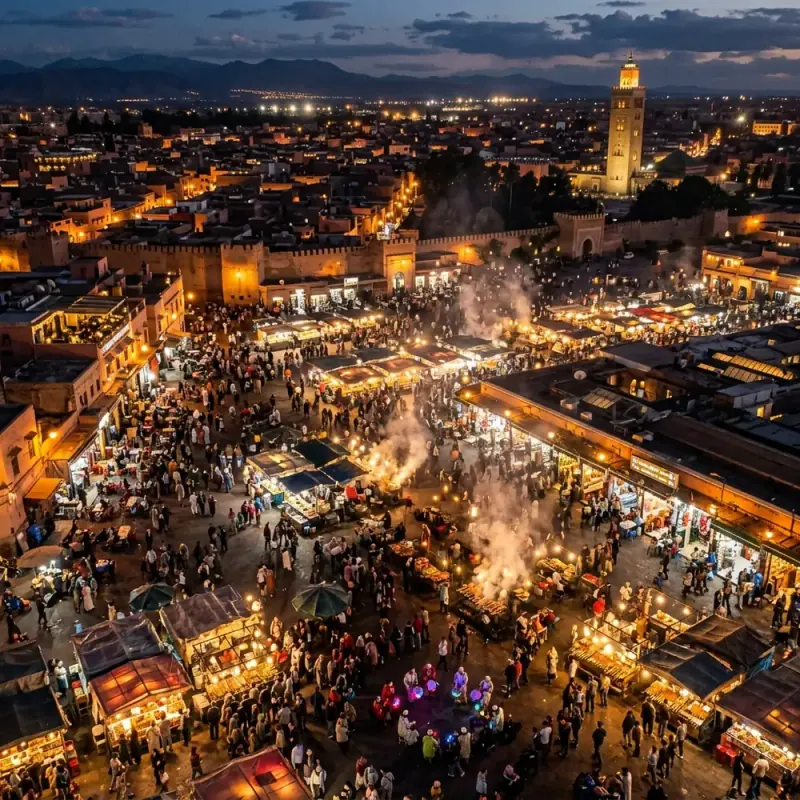
The 10 Best Moroccan Dishes You Must Try (And The Real Way to Eat Them)
Let me tell you a secret: if you ask ten Moroccans what the best dish in the country is, you will get ten different answers, and they will all be right. Moroccan cuisine is not just a list of recipes; it is a living, breathing map of our history. It carries the slow-cooked patience of the Amazigh (Berber) people, the sweet-and-savory sophistication of the Andalusian refugees, the bold spices of the trans-Saharan trade routes, and the Mediterranean brightness of the coast.
As someone who has spent years in kitchens across the Kingdom—from the smoky charcoal grills of the Marrakech medina to the quiet, tile-covered courtyards of Fes where grandmothers still roll couscous by hand—I want to share the dishes that define us. This is not a generic list. These are the top 10 dishes of Moroccan gastronomy, explained the way we actually eat them.
1. Tagine (The Art of Earth and Fire)
Let’s clear up a common misunderstanding right away: "Tagine" is the name of the conical clay pot, not just the stew inside it. A real tagine is cooked over glowing charcoal (a majmar), never rushed, allowing the steam to rise, condense on the lid, and fall back down, creating a thick, caramelized sauce (the daghmira).
- The Must-Try Version: Tagine b'lham wel barkouk (Beef or lamb with caramelized prunes, toasted almonds, and sesame seeds). This dish perfectly captures the Andalusian sweet-and-savory legacy.
- How to eat it: Put your fork away. We eat tagine collectively from the same dish using pieces of fresh khobz (Moroccan round bread) to scoop up the meat and the jammy sauce.
2. Couscous (The Friday Ritual)
In Morocco, couscous is not a quick side dish you boil in water for five minutes. That is a culinary crime! Real Moroccan couscous is a labor of love, traditionally prepared only on Fridays after the midday prayer. The semolina grains are steamed three separate times over a simmering broth of meat and vegetables, separated and rubbed by hand with olive oil or smen (aged butter) between each steaming to ensure they are light, fluffy, and never sticky.
- The Must-Try Version: Couscous B'Seba Khaidari (Couscous with Seven Vegetables). The broth is deeply flavored with ginger, turmeric, and a hint of saffron.
- How to eat it: Traditionally, older generations roll the couscous and meat into perfect little balls using only their right hand, but today, most families use a spoon. Always serve with a cold glass of Lben (fermented buttermilk).
3. Bastilla (The Imperial Masterpiece)
If Fes had a culinary crown, it would be the Bastilla (or Pastilla). This dish is the absolute peak of Moroccan sophistication. It is a savory-sweet pie wrapped in warqa—a pastry dough so thin you can read a newspaper through it.
- The Must-Try Version: The traditional pigeon Bastilla (though chicken is more common today). The meat is slow-cooked in a spiced onion broth, shredded, layered with scrambled eggs infused with the remaining sauce, and topped with a thick layer of crushed, fried almonds, powdered sugar, and cinnamon.
- The Experience: Biting into a Bastilla is a shock to the senses. The shattering crunch of the pastry, the savory meat, and the sudden hit of sugar and cinnamon. It is usually served at weddings and major celebrations.
4. Harira (The Soup That Brings Us Together)
To call Harira a "lentil and tomato soup" is like calling a mix "a bunch of notes." Harira is the smell of Ramadan. During the holy month, exactly at sunset, the streets of Morocco go completely silent, and every household is breaking their fast with a steaming bowl of this soup.
- The Details: It is built on a base of tomatoes, lentils, chickpeas, and sometimes small pieces of meat, heavily experienced with fresh cilantro, parsley, and celery. The secret is the tadouira—a flour and water mixture added at the end to give it a velvety, thick texture.
- How to eat it: You must squeeze fresh lemon into it, and it is strictly accompanied by sticky, sweet Chebakia (sesame and honey cookies) and sweet dates. The contrast between the acidic, savory soup and the sweet cookie is legendary.
5. Tangia (The Bachelor's Stew of Marrakech)
Not to be confused with Tagine! Tangia is uniquely Marrakchi. It is an urn-shaped clay pot packed with chunks of beef or lamb, garlic, cumin, saffron, preserved lemons, and a generous dollop of smen.
- The Story: Historically, it was prepared by unmarried working men. They would prepare the pot, seal it with paper and string, and take it to the Farnatchi—the man who tends the underground wood fire that heats the neighborhood hammam (bathhouse). The Tangia buries in the warm ashes for 12 hours overnight.
- The Result: Meat so incredibly tender it can be eaten with a spoon, sitting in a rich, sticky, gelatinous sauce. No vegetables, no water. Just pure, concentrated flavor.
6. Rfissa (The Comfort Food for New Mothers)
Rfissa is chaotic, messy, and absolutely brilliant. It is traditionally served to women just after they have given birth to restore their strength, but it is so beloved that families make it for regular gatherings.
- The Details: A massive platter of shredded Msemen (flaky Moroccan flatbread) is soaked in a rich, deeply savory broth made of free-range chicken, onions, lentils, and Fenugreek seeds (helba). It is often spiced with Ras el Hanout, a complex blend of up to 40 spices.
- The Vibe: It is heavy, warming, and deeply comforting. The aroma of fenugreek is unmistakable and will perfume a house for two days.
7. Mechoui (The Desert Feast)
When a Moroccan family wants to honor a very special guest, they roast a whole lamb. Mechoui is an ancient Amazigh tradition, particularly strong in the High Atlas mountains and the desert regions.
- The Details: A whole lamb is rubbed with butter and garlic, then lowered into a deep, underground clay oven (or a specialized brick oven) and sealed with mud. It roasts very slowly for hours until the skin is crackling and the meat falls completely off the bone.
- How to eat it: Forget sauces. The only accompaniment you need is a small plate of ground cumin mixed with sea salt. You pull the hot meat with your fingers, dip it lightly in the cumin-salt, and eat.
8. Zaalouk & The "Salad" Spread
In Morocco, a "salad" rarely means raw lettuce. Meals begin with a vibrant mosaic of cooked vegetable salads served in small dishes. The undisputed king of these is Zaalouk.
- The Details: Eggplants are grilled or roasted (preferably over charcoal to get a smoky flavor) and then mashed in a pan with ripe tomatoes, garlic, paprika, cumin, and a heavy pour of extra virgin olive oil.
- The Experience: It is served warm or at room temperature. Scooped up with warm bread, it is smoky, garlicky, and slightly acidic. It is often accompanied by Taktouka (roasted peppers and tomatoes) and sweet carrot salads.
9. Sardines Chermoula (The Coastal Street Food)
Morocco is one of the largest exporters of sardines in the world, and our coastal cities—from Essaouira to Safi—know exactly how to treat them.
- The Details: The sardines are butterflied and stuffed with Chermoula, a pungent, bright marinade made of fresh cilantro, garlic, paprika, cumin, lemon juice, and olive oil. They are then dusted with flour and shallow-fried until golden and crispy.
- How to eat it: Best eaten standing up near the port, straight out of the fryer, perhaps stuffed into a piece of bread with a harsh, spicy olive tapenade.
10. Seffa (The Sweet Surprise)
Just when you think the savory meal is over, out comes Seffa. It looks like a mountain of plain couscous or broken vermicelli noodles, but it is a masterclass in subtlety.
- The Details: The pasta or couscous is steamed multiple times until perfectly tender. It is then tossed with butter and presented in a dome, elegantly decorated with geometric lines of ground cinnamon, powdered sugar, and fried crushed almonds. Sometimes, a hidden layer of savory saffron chicken is buried in the center (called Seffa Medfouna).
- The Vibe: It bridges the gap between the main course and dessert. It is rich, sweet, and incredibly light all at once.
FAQ: Eating Like a Local in Morocco
Do Moroccans eat couscous every day? No! Couscous is strictly a Friday dish, eaten after the communal prayer. Serving it on a Tuesday or Wednesday in a Moroccan home is almost unheard of (though tourist restaurants serve it daily).
Why is everything eaten with bread? Khobz (bread) is sacred in Morocco. It serves as your fork, your spoon, and the base of your meal. It is baked fresh daily, often twice a day, in communal neighborhood ovens.
Is Moroccan food very spicy? Moroccan food is incredibly spiced, but rarely spicy (hot). We use cumin, ginger, turmeric, saffron, and cinnamon to build complex layers of flavor. If you want heat, you add Harissa (a chili paste) on the side.
Image Generation Prompts (For the Blog Editor):
- Subject: A traditional Moroccan Tagine with beef, prunes, and toasted almonds. Vibe: Rustic, authentic, warm lighting. Style: Lifestyle culinary photography, close up, showing the bubbling sauce (daghmira) in a well-used clay tagine pot sitting on a traditional charcoal majmar. Real hands tearing a piece of khobz bread nearby. Format: Horizontal.
- Subject: Friday Couscous with seven vegetables. Vibe: Family gathering, natural sunlight streaming through a window. Style: Overhead documentary shot of a massive traditional clay platter (gsaa) filled with perfectly steamed fluffy couscous, topped with a rich broth-soaked arrangement of carrots, turnips, zucchini, and caramelized onions (tfaya). Format: Vertical.
- Subject: Authentic Moroccan Pigeon Bastilla. Vibe: Golden, crispy, elegant but homemade. Style: Close-up macro photography showing the shattering, flaky layers of the thin warqa pastry, dusted heavily with a geometric pattern of powdered sugar and cinnamon. Sliced open to show the savory meat and almond layers inside. Format: Horizontal.
- Subject: A steaming bowl of Harira soup with Chebakia. Vibe: Ramadan evening, cozy, atmospheric. Style: Authentic street food or home kitchen vibe. A rustic ceramic bowl of thick, reddish-brown Harira soup garnished with fresh cilantro, with a side plate of sticky, shiny, sesame-covered Chebakia cookies and fresh dates. Warm, low lighting. Format: Square.
- Subject: Cooking Tangia in the ashes of a hammam. Vibe: Ancient, smoky, underground. Style: Photojournalism. A terracotta urn (Tangia) nestled in glowing red and grey wood ashes. Dimly lit, capturing the intense heat and the rustic, traditional method of Marrakchi slow cooking. Format: Horizontal.
Experience the true heart of Moroccan heritage through its culinary traditions. Join us in preserving and honoring these ancestral recipes.
What People Are Saying
No comments yet. Be the first — we'd love to hear from you.
Youssef Amazigh
Culturally Verified & Fact-CheckedThe Moroccan Food editorial team brings together native culinary researchers, heritage preservationists, and experienced home cooks across Marrakech, Fes, and Casablanca. Every recipe and cultural guide is reviewed against ancestral oral traditions and authentic regional practices.