The Ancestral Moroccan Hammam: A Cleansing Ritual
The Ancestral Moroccan Hammam: A Cleansing Ritual
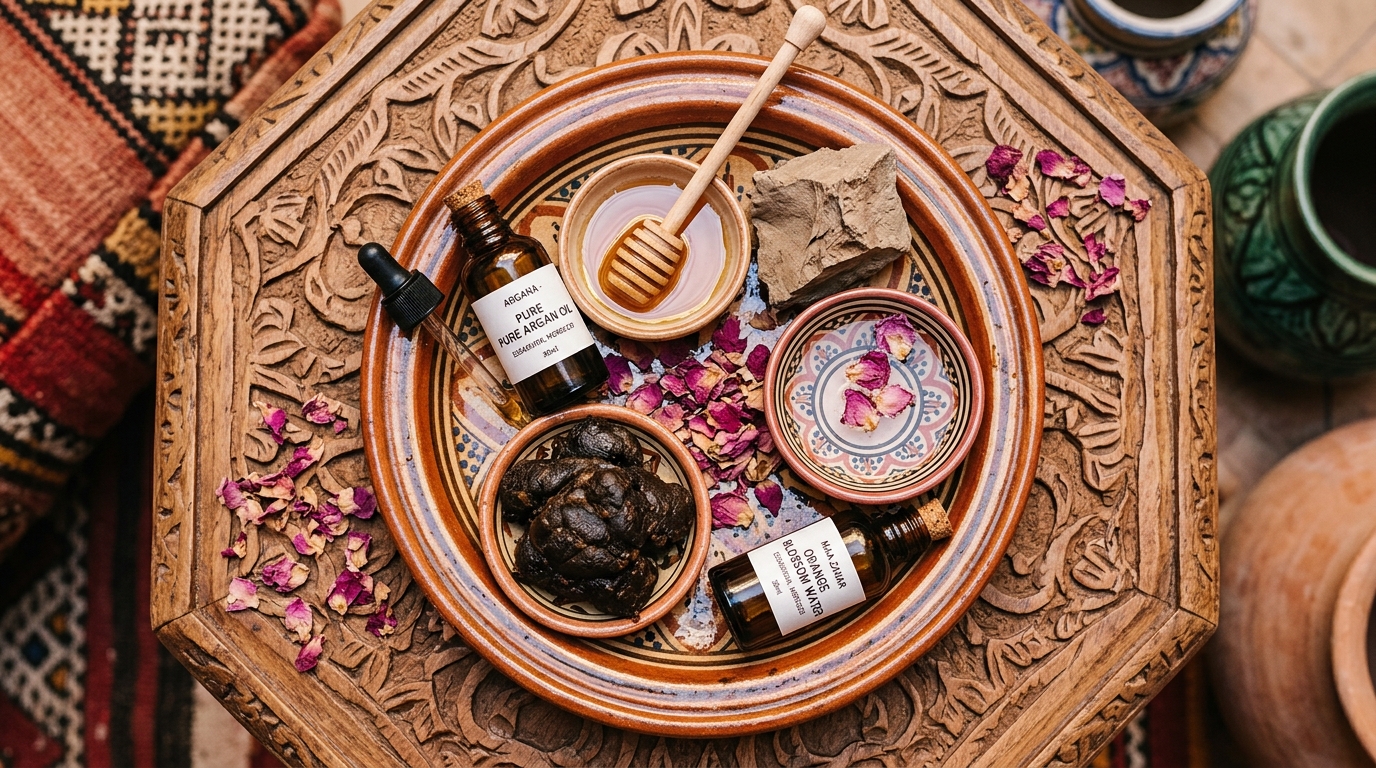
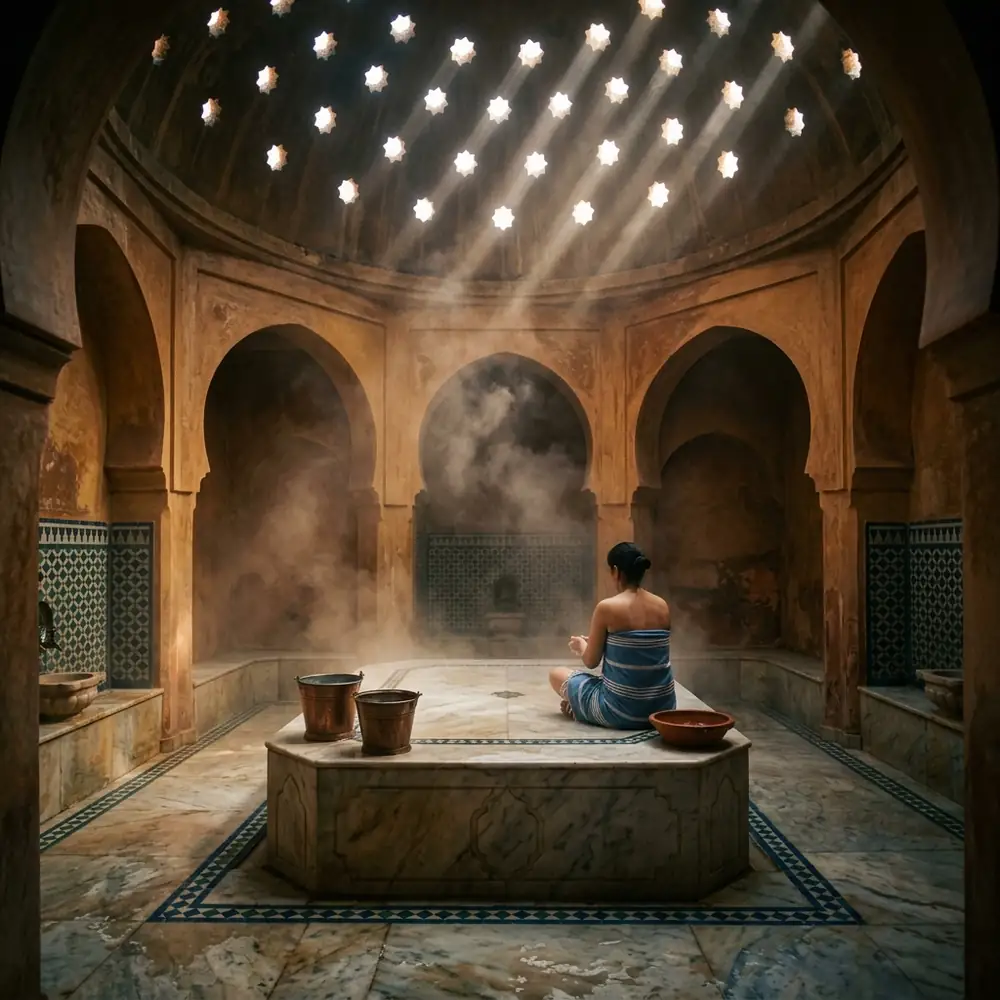
Ever wondered how Moroccans achieve impossibly soft, glowing skin? The traditional Moroccan Hammam is a centuries-old public bathhouse relying on intense steam, black soap, and vigorous exfoliation. Get into the hot, dimly lit marble rooms that serve as the physical and social epicenter of every neighborhood in Morocco.
In our Kingdom, physical purification is a special, weekly duty deeply tied to our Islamic faith. Long before modern showers existed in private homes, the public bathhouse was built right next to the local mosque, sharing the exact same massive underground wood-burning furnace. Our ancestors passed down a bathing ritual that strips away the fatigue of the week, forcing you to slow down and literally shed your old skin. Today, I invite you to enter the steam. The Hammam is where true Moroccan communal life happens.
What are the three rooms of the Hammam?
A traditional Hammam is an architectural great piece of thermodynamics, divided into three distinct, vaulted rooms of increasing temperature.
- The cold room (Mashlah): The grand entrance where bathers undress, store their clothing, and slowly acclimate to the humidity before entering the heat.
- The warm room (Beit el-Wastani): The massive, vaulted middle chamber where bathers spend the majority of their time chatting, washing their hair, and applying soaps.
- The hot room (Beit el-Skhoun): The incredibly intense, steam-filled room located directly above the underground furnace, designed to aggressively open the pores and induce deep sweating.
What is the social significance of the bathhouse?
The Hammam is not just a place to wash; it is an absolute equalizer and the ultimate social hub of the Moroccan neighborhood.
- The great equalizer: Inside the steam room, completely stripped of clothing and jewelry, a wealthy business owner sits on the same hot marble as a street vendor.
- The local newsroom: For women, the Hammam has historically been a safe, pr <truncated 57384 bytes> a chemical powerhouse.
- The Oleuropein explosion: The bitter leaves contain massive concentrations of oleuropein, a fiercely potent antioxidant that aggressively fights inflammation and viral infections.
- The blood pressure cure: In the Moroccan home, a tea made from boiled olive leaves is the immediate, go-to natural remedy administered to elders suffering from high blood pressure.
- The immune shield: The intensely bitter, dark amber tea is consumed heavily during the winter months to shock the immune system and ward off severe respiratory colds.
How is the entire tree utilized in Moroccan life?
The holistic use of the olive tree ensures that absolutely nothing is wasted, from the roots to the ashes.
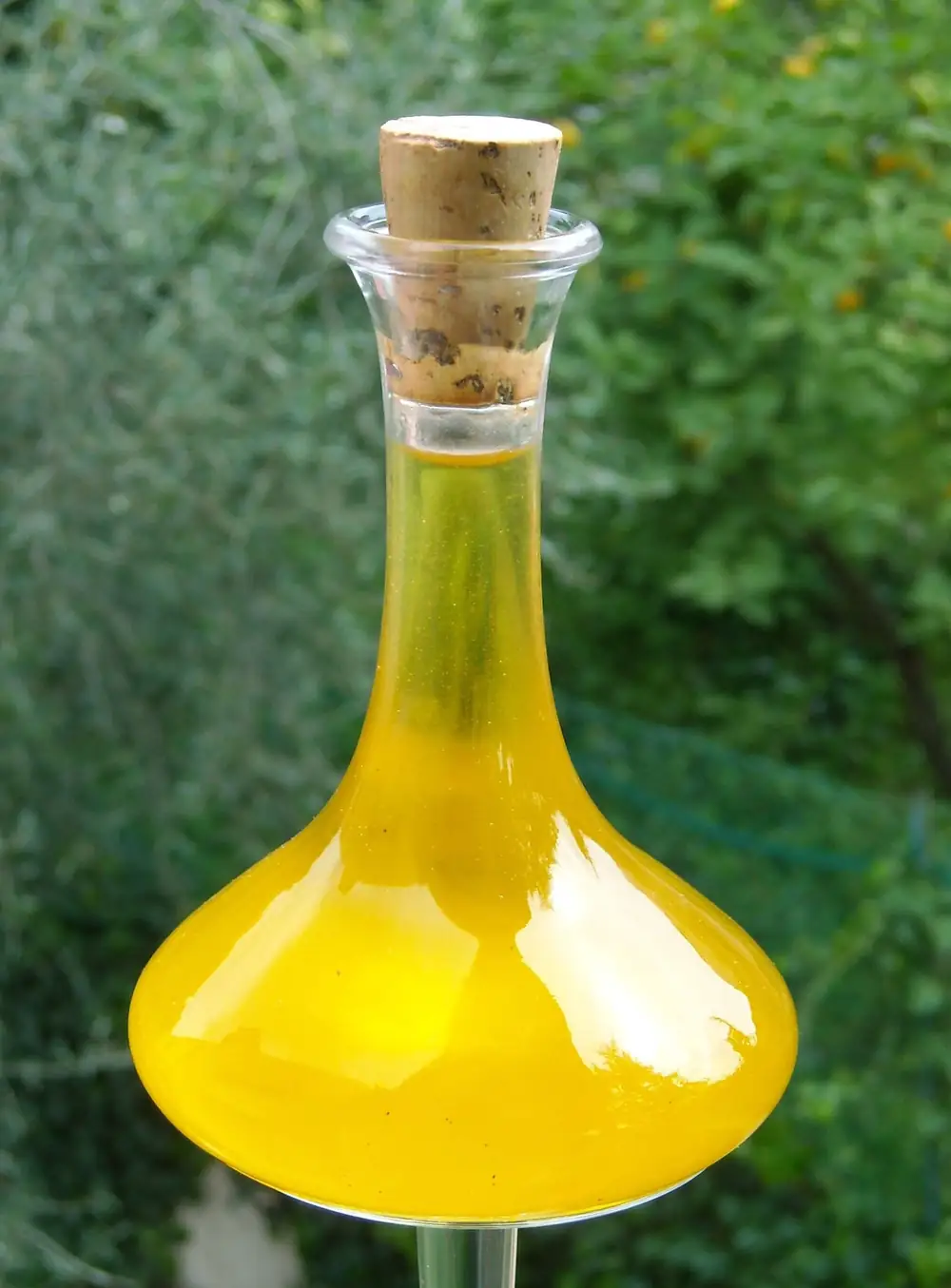
- The healing oil: Beyond cooking, raw, unfiltered extra-virgin olive oil is physically rubbed into the chests of coughing children or heated and massaged into aching joints.
- The wooden utensils: The incredibly hard, densely grained wood of pruned branches is carved into heavy, beautiful wooden spoons and spatulas that last for generations in the boiling tagine pots.
- The Hammam fuel: Even the crushed, dry pits left over from the oil pressing process (sansa) are repurposed as a fiercely hot, slow-burning fuel to heat the underground furnaces of the communal bathhouses.
Imagine sitting under the gnarled, twisting branches of an ancient olive tree, the silver leaves shimmering in the hot wind. The farmer hands you a steaming glass of dark amber tea brewed entirely from the freshly plucked leaves. You take a sip, the fierce, earthy bitterness instantly waking up your senses and warming your chest. Our trees are special, and our medicine is wild; come drink the leaves.
Meta Description: Explore the holistic medicinal power of the Moroccan olive tree. Discover how bitter olive leaf tea is brewed as an ancient, potent cure for high blood pressure and winter colds.
Experience the true heart of Moroccan heritage through its culinary traditions. Join us in preserving and honoring these ancestral recipes.
What People Are Saying
No comments yet. Be the first — we'd love to hear from you.
Diafa Editor
Culturally Verified & Fact-CheckedThe Moroccan Food editorial team brings together native culinary researchers, heritage preservationists, and experienced home cooks across Marrakech, Fes, and Casablanca. Every recipe and cultural guide is reviewed against ancestral oral traditions and authentic regional practices.