The Ultimate Guide to Moroccan Spices: Deciphering Ras el Hanout & Beyond
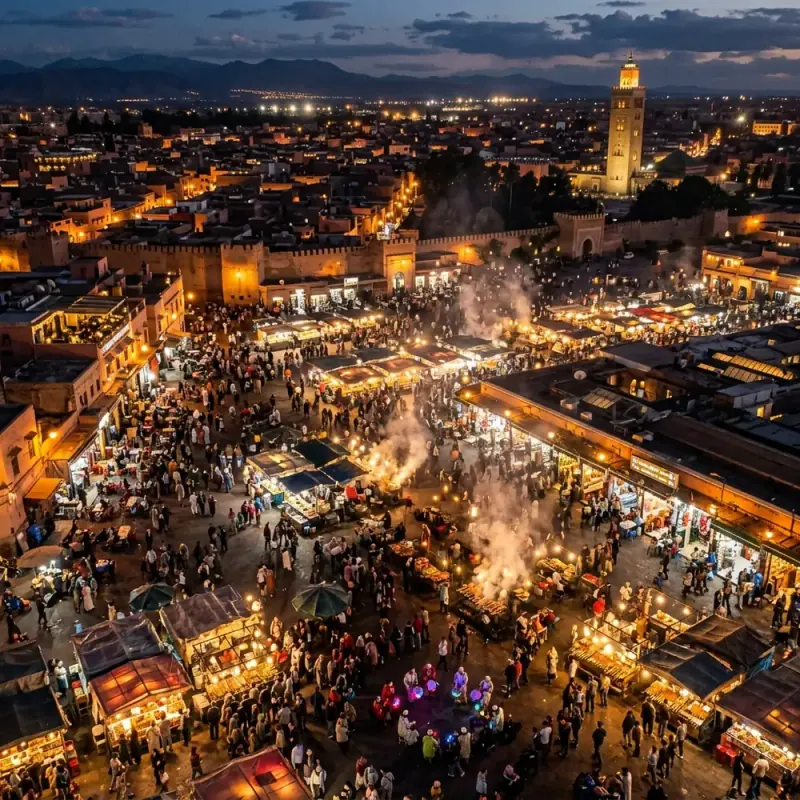
The Ultimate Guide to Moroccan Spices: Deciphering Ras el Hanout & Beyond
Welcome to my table, marhaba. If you were to walk into my kitchen on a Friday morning, long before the call to prayer echoes through the streets of our medina, you wouldn't just see the preparations for couscous. You would feel them. The air in a Moroccan kitchen is a tangible thing, heavy with the golden dust of turmeric, the sharp, peppery bite of ginger, and the floral, almost intoxicating whisper of saffron.
For us Moroccans, spices aren't just flavorings meant to sit in matching jars on a rack. They are a deeply personal language. They are the legacy of my grandmother's stained wooden mortar, the memories of bartering in the dimly lit alleyways of the spice souks in Fez, and the defining signature of every dada (traditional Moroccan female chef) who guards her secret blends with her life.
Today, I want to pour you a glass of mint tea, pull up a chair, and guide you through the core of Moroccan gastronomy: our spice cabinet. We'll start with the main star—Ras el Hanout—and then adventure through the individual spices that make our tagines sing, our couscous comforting, and our pastillas an unforgettable dance of sweet and savory.
The Soul of the Medina: What Makes Moroccan Spices Unique?
Morocco has always been a crossroads. Perched on the northwestern edge of Africa, kissed by the Mediterranean and the Atlantic, our cuisine is a love letter written by Berbers, Arabs, Andalusians, and Jewish communities, experienced by the caravans that traversed the Sahara.
But what truly sets Moroccan spice usage apart from Indian curries or Middle Eastern baharat? It is the profound pursuit of balance. We don't use spices to scorch the palate or mask the flavor of the ingredients. Instead, we use them to enhance, to bridge the gap between sweet and savory, and to add warmth without necessarily adding heat. In Moroccan cooking, a pinch of cinnamon is just as likely to find its way into a savory lamb tagine as it is into a sweet almond briouat.
When you wander through a traditional Moroccan souk, past the towering, conical pyramids of ochre, crimson, and gold, you realize that buying spices here is an event. You don't just grab a packet; you smell, you touch, you converse with the attar (spice merchant), and you learn the provenance of your cumin.
The King of the Souk: Ras el Hanout Explained
If there is one spice blend that captures the mystery and complexity of Moroccan cuisine, it is Ras el Hanout.
What exactly is Ras el Hanout?
Translated literally from Arabic, Ras el Hanout means "head of the shop." It implies that the blend is comprised of the absolute best, top-tier spices the merchant has to offer. There is no single, universally standardized recipe for Ras el Hanout. Every shop, every family, every attar has their own proprietary blend.
Growing up, I remember my mother sending me to our trusted local spice merchant with a very specific, whispered set of instructions. He would nod, disappear into the back of his tiny shop, and return with a paper cone filled with a fragrant, complex powder that smelled of roses, earth, and toasted warmth.
The Myth of the 35 Spices
You will often read that a true Ras el Hanout contains exactly 35, or even up to 100, different spices. While some ceremonial blends for weddings or special occasions (like the sweet, meat-heavy dish called Mrouzia) might boast dozens of ingredients, your everyday Ras el Hanout is usually a finely tuned orchestra of 10 to 15 key players.
The magic lies not in the quantity of ingredients, but in the alchemy of their combination. A high-quality blend will typically include:
- Warmth: Cinnamon, nutmeg, mace, clove, and cardamom.
- Earthiness: Cumin, turmeric, and coriander seed.
- Floral Notes: Dried rosebuds and lavender.
- Piquancy: Black pepper, white pepper, ginger, and sometimes a touch of grains of paradise or cubeb berries.
Some traditional recipes historically included aphrodisiacs or obscure roots like monk's pepper and ash berries, though modern blends are much more straightforward.
How to Use Ras el Hanout
Don't let its complexity intimidate you. Ras el Hanout is incredibly versatile.
- The Classic: It is essential for Mrouzia, a sweet and savory lamb tagine made with honey, raisins, and almonds, traditionally prepared during Eid al-Adha.
- Everyday Roasts: Rub it on a whole chicken before roasting, mixed with a little olive oil, garlic, and preserved lemon paste.
- Vegetarian Delights: Toss it with root vegetables—like carrots, sweet potatoes, and butternut squash—before roasting them to caramelize their natural sugars.
- Modern Twist: Sprinkle a tiny pinch into a rich chocolate cake batter or a batch of brownies to add an unexpected depth that will leave your guests guessing.
Beyond the Blend: The Essential Moroccan Spice Cabinet
While Ras el Hanout is the crown jewel, a Moroccan cook’s daily work relies on a core group of foundational spices. If you want to cook authentic Moroccan food, these are the non-negotiables you need in your pantry.
Cumin (Kamoun): The Earthy Anchor
If there were a scent that defined the street food of Marrakech, it is toasted cumin. Unlike in some cuisines where cumin is used sparingly, in Morocco, it is a staple. We even keep a small dish of cumin mixed with salt on the table alongside our meals, much like pepper in the West.
Our cumin, particularly the variety from the Alnif region in the south, has a pungent, almost citrusy earthiness. It is the backbone of marinades for kefta (ground meat skewers), the soul of the iconic tomato and bell pepper salad (Taktouka), and the mandatory garnish for a steaming bowl of Bissara (split pea or fava bean soup) on a cold winter morning.
Ginger (Skinsbir): The Gentle Heat
Forget the fiery, fresh ginger of Southeast Asian stir-fries. In the Moroccan kitchen, we rely heavily on ground, dried ginger. It provides a pervasive, warming background heat that doesn't burn the tongue. It is crucial for poultry dishes, particularly the famous Chicken Tagine with Preserved Lemons and Olives, where it cuts through the richness of the chicken skin and pairs beautifully with the tangy, fermented citrus. A good Moroccan ginger is pale yellow, highly aromatic, and finely milled.
Turmeric (Kharkoum): The Golden Hue
Turmeric is the sun in our culinary solar system. We use it primarily for its glorious golden color, though its subtle, slightly bitter, mustard-like flavor is essential for balancing sweeter ingredients. Turmeric gives our tagine sauces that luscious, appetizing yellow tint and forms the base of the marinade (chermoula) for fish. It is also a key ingredient in Harira, the hearty tomato, lentil, and chickpea soup we use to break our fast during Ramadan.
Cinnamon (Karfa): The Bridge Between Sweet and Savory
In the West, cinnamon is often relegated to apple pies and morning oatmeal. In Morocco, it is the master of disguise, smoothly crossing the border between desserts and main courses. We prefer Cassia bark for long simmers and true Ceylon cinnamon for dusting.
Cinnamon is what makes Moroccan savory pies, like the pigeon or chicken Pastilla, so extraordinarily unique. The meat is braised in a savory, spiced broth, but the flaky phyllo-like dough (warka) is generously dusted with powdered sugar and cinnamon before serving. We also sprinkle cinnamon over fresh orange slices for a simple, refreshing dessert.
Paprika & Sweet Pepper (Felfla Hlouwa): The Crimson Color
When we want color without the aggressive heat of chilies, we turn to sweet paprika. It is the bedrock of Chermoula, the vibrant marinade used for fish and vegetables, packed with fresh cilantro, parsley, garlic, and lemon juice. We also use paprika generously in tomato-based sauces, like the one used for poaching eggs in our version of Shakshuka, or in the slow-cooked eggplant dip known as Zaalouk.
Saffron (Zaafran): The Red Gold of Taliouine
Ah, saffron. The stigma of the crocus flower, harvested by hand in the early morning light in the Taliouine region of southern Morocco. It is the most expensive spice in the world, and we treat it with the reverence it deserves.
To use saffron like a Moroccan, you never simply toss the threads into a pot. You gently toast them in a dry, warm skillet for just a few seconds, crush them between your fingers (or in a small mortar), and then steep them in a little warm water or broth. This liquid gold is then added to tagines, couscous broths, and even our tea, imparting a honeyed, metallic, and profoundly floral aroma that cannot be replicated by any substitute.
The Unsung Heroes: Lesser-Known Spices We Can't Live Without
Beyond the everyday essentials, there are a few secret weapons in a traditional Moroccan pantry that add that elusive, authentic touch.
Grains of Paradise & Cubeb Pepper
Before black pepper became globally ubiquitous, these were the spices that provided heat and complexity in North Africa. Grains of paradise offer a peppery, citrusy, and almost woody flavor, while cubeb pepper has a hint of allspice and eucalyptus. You'll often find them hiding in a good Ras el Hanout, adding a complex, historical depth.
Nigella Seeds (Sanouj)
These tiny, tear-drop-shaped black seeds are often confused with black cumin or black sesame, but they are entirely their own entity. They have an oregano-like, slightly bitter, and toasted onion flavor. We use them sparingly, often sprinkled on top of freshly baked bread before it goes into the communal oven (furan).
Fenugreek (Halba)
Pungent, bitter, and smelling vaguely of maple syrup when toasted, fenugreek is a divisive spice. It is used in very specific, deeply traditional, and restorative dishes, such as Rfissa—a comforting meal of stewed chicken, lentils, and fenugreek served over shredded msmen (Moroccan flatbread). It is often prepared for women who have just given birth, praised for its warming and healing properties.
How to Buy, Store, and Toast Your Spices Like a Moroccan Dada
To truly capture the essence of Moroccan cooking, you must treat your spices with respect.
- Buy Whole When Possible: Ground spices lose their volatile oils rapidly. Whenever you can, buy cumin, coriander, and black pepper whole. Invest in a good spice grinder or a traditional mortar and pestle.
- The Art of Toasting: Before grinding, gently toast your whole spices in a dry skillet over medium-low heat just until they become fragrant. This wakes up the essential oils and deepens the flavor immensely. Do not let them smoke or burn, or they will turn bitter.
- Storage is Everything: The beautiful glass spice racks displayed next to your stove are the enemy of flavor. Heat and light degrade spices quickly. Store your spices in airtight containers in a cool, dark cupboard. In Morocco, many families keep their large reserves of spices in tightly sealed tins in a cool pantry, bringing out only small amounts for daily use.
- Refresh Your Stash: If your ground ginger has no scent, or your paprika is pale and dusty, throw it away. Spices are the soul of your dish; you cannot build a vibrant meal on tired, expired ingredients.
Bringing Moroccan spices into your kitchen is about more than just following a recipe. It's about learning to trust your senses. It's about tasting a broth and knowing instinctively that it needs the earthy grounding of cumin or the bright, floral lift of a single saffron thread. So, welcome to the adventure. Bismillah—let's cook.
Frequently Asked Questions (FAQ) About Moroccan Spices
What is a good substitute for Ras el Hanout? While there is no perfect substitute due to its complexity, you can create a quick pinch-hit blend by mixing equal parts ground cumin, coriander, ginger, cinnamon, and a dash of allspice and black pepper. It won't have the floral notes of rose or the depth of mace, but it will get you in the right flavor neighborhood.
Is Moroccan food spicy hot? Generally, no. Moroccan food is incredibly flavorful and heavily spiced, but it is rarely "hot" in the chili-burn sense. We use spices for warmth and depth. If we want heat, we usually serve Harissa (a chili garlic paste) on the side as a condiment, allowing each person to adjust the heat level of their own plate.
How long do ground spices actually last? Ground spices begin to lose their potency after about 3 to 6 months. They won't spoil or make you sick, but they will become culinary dust. For the best flavor, buy whole spices which can last up to a year or two, and grind them as needed.
Can I make my own Ras el Hanout at home? Absolutely! In fact, making your own allows you to tweak the balance to your liking. Start with a base of cumin, coriander, cinnamon, and ginger. Add warmth with nutmeg, clove, and cardamom. For that authentic touch, try to find edible dried rose petals and a pinch of mace to grind into the mix.
Visualizing the Moroccan Kitchen: Image Prompts
For the culinary creators, photographers, and dreamers, here are some prompts to capture the authentic vibe of this article:
Image Prompt 1:
- Subject: A close-up, top-down view of a traditional wooden mortar and pestle filled with partially ground Ras el Hanout spices (cinnamon sticks, whole nutmeg, dried rosebuds, star anise, cumin seeds).
- Vibe: Warm, rustic, ancestral, deeply textured.
- Style: Chiaroscuro lighting, highlighting the textures of the spices against the dark, aged wood.
- Format: High-resolution digital photography, 85mm lens, shallow depth of field.
Image Prompt 2:
- Subject: A lively, softly lit spice shop in the Marrakech medina. Conical mounds of vibrant spices (turmeric, paprika, cumin) in woven baskets. The hands of an elderly Moroccan merchant scooping spices with a brass spoon.
- Vibe: Authentic, atmospheric, lively, rich in color.
- Style: Editorial travel photography, cinematic lighting, slightly dusty air catching the sunlight.
- Format: 35mm film style, slight grain, natural light filtering from a skylight.
Image Prompt 3:
- Subject: A traditional terracotta tagine pot with the lid off, revealing a bubbling, golden chicken and preserved lemon stew. A small dish of vibrant red saffron threads and a pinch of ground ginger sit on a mosaic tile table next to it.
- Vibe: Inviting, appetizing, steamy, home-cooked.
- Style: Food styling photography, rich earthy tones, cozy and warm.
- Format: DSLR, macro focus on the bubbling sauce and the saffron threads, soft diffused window light.
Image Prompt 4:
- Subject: A steaming glass of Moroccan mint tea on a silver tray. Next to the tea, a flaky, golden-brown Pastilla heavily dusted with a geometric pattern of powdered sugar and ground cinnamon.
- Vibe: Elegant, traditional, sweet-and-savory contrast, afternoon tea time.
- Style: Bright but moody, showcasing the contrast between the dark cinnamon and white sugar.
- Format: Medium format photography, sharp focus on the cinnamon pattern, elegant silver reflections.
Image Prompt 5:
- Subject: Two hands gently toasting cumin seeds and whole cloves in a well-experienced, dry cast-iron skillet. A wisp of fragrant smoke rising from the pan.
- Vibe: Instructional, sensory, active cooking, warm.
- Style: Dark food photography, dramatic side lighting illuminating the smoke and the texture of the seeds.
- Format: Close-up, fast shutter speed to capture the smoke wisps, high contrast.
Experience the true heart of Moroccan heritage through its culinary traditions. Join us in preserving and honoring these ancestral recipes.
What People Are Saying
No comments yet. Be the first — we'd love to hear from you.
Youssef Amazigh
Culturally Verified & Fact-CheckedThe Moroccan Food editorial team brings together native culinary researchers, heritage preservationists, and experienced home cooks across Marrakech, Fes, and Casablanca. Every recipe and cultural guide is reviewed against ancestral oral traditions and authentic regional practices.