Vegetables Containing Vitamin D: Sunlight, Wild Fungi, and Daily Plant Nutrition
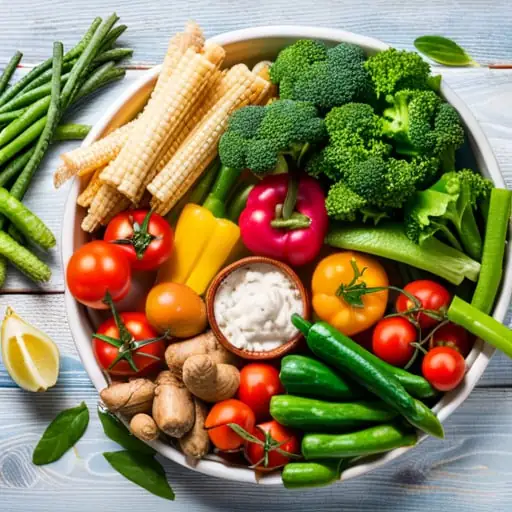
Search through recipe collections or dietary guides, and you will encounter an urgent question: which vegetables contain vitamin D?
Many home cooks hope to hear that sweet potatoes, garden tomatoes, or green beans will fulfill their daily requirement for the sunshine vitamin. Yet if you spend time with traditional Berber cooks in the foothills of Mount Toubkal, they will tell you that the garden and the forest each have distinct roles. True plants build our mineral reserves, but sunlight itself must be captured through specialized living vessels.
Strictly speaking, the plant kingdom does not create vitamin D. However, by looking at how culinary vegetables, wild fungi, and traditional earthenware cooking work together, you can build a daily plant-centered diet that supports optimal vitamin D levels throughout the year.
D2 vs. D3: Understanding the Science Behind Solar Nutrients
To make sense of dietary sources, we must understand the difference between the two primary forms of vitamin D:
- Vitamin D3 (Cholecalciferol): Synthesized in human skin upon exposure to solar UV-B rays, and found naturally in fatty fish, egg yolks, and organ meats.
- Vitamin D2 (Ergocalciferol): Produced exclusively by fungi and yeasts when their natural plant sterols encounter ultraviolet light.
Decades of biochemical research confirm that both D2 and D3 are absorbed through the intestines, carried by transport proteins to the liver, and converted into 25-hydroxyvitamin D [25(OH)D]—the clinical marker used by physicians to measure your vitamin D status.
While vitamin D3 remains in the bloodstream slightly longer, regular dietary intake of vitamin D2 from sun-exposed mushrooms effectively raises and maintains protective serum levels. For anyone eating a plant-forward or Mediterranean diet, fungi represent your primary whole-food source of dietary vitamin D.
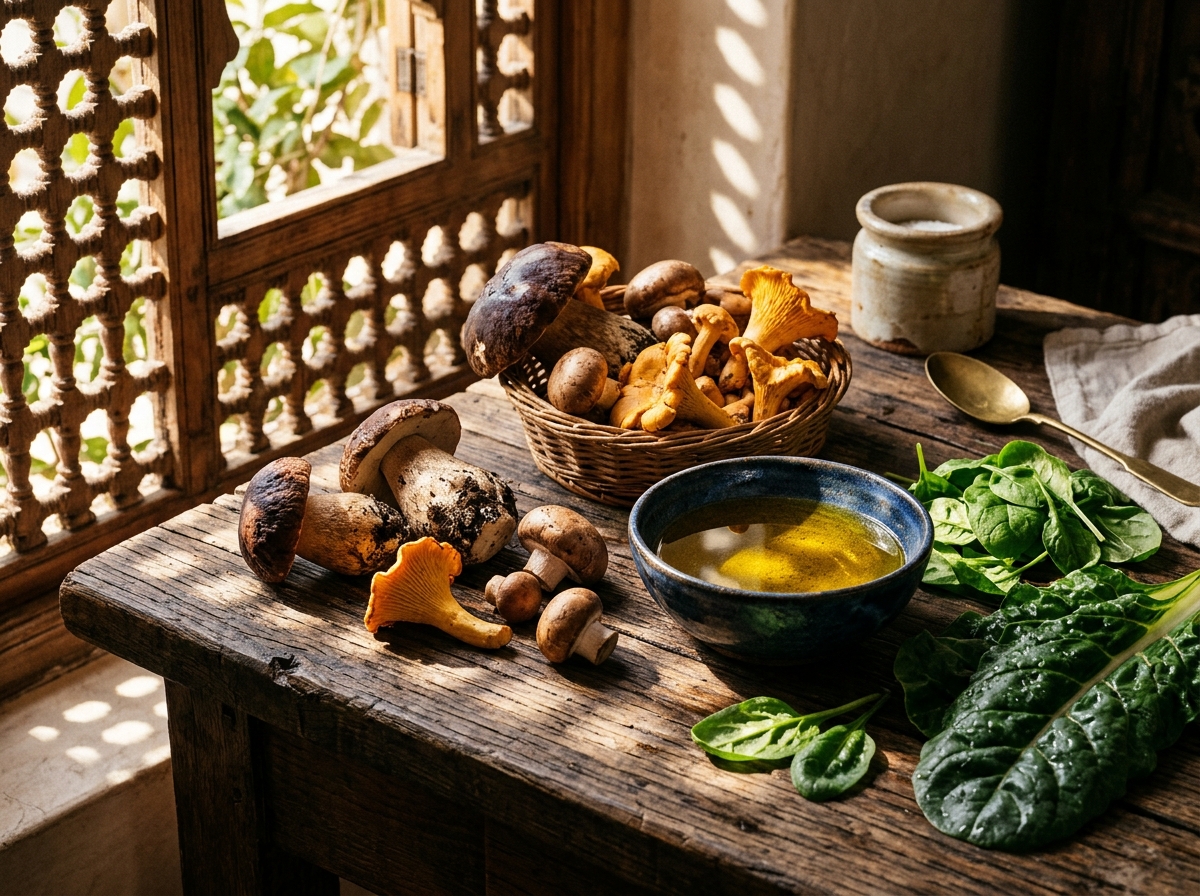
The Fungi Spectrum: Wild Atlas Morels, Portobellos, and the Sun Method
Not all mushrooms contain equal amounts of vitamin D when purchased. Commercial mushrooms are typically cultivated in dark, climate-controlled indoor rooms, meaning their initial vitamin D content is negligible.
However, mushrooms possess a biological feature: their cell membranes are packed with ergosterol. Ergosterol acts like a solar collector waiting for a spark. When struck by ultraviolet rays, it transforms rapidly into bioavailable vitamin D2.
In the Atlas and Rif ranges of Morocco, seasonal rains coax wild morels (khechkhach), meadow mushrooms, and prized desert truffles (terfez) from the earth. Traditional foragers know that mushrooms dried slowly on flat rooftops under midday mountain sun retain their vitality through the leanest months of winter.
How to Sun-Charge Your Kitchen Mushrooms
You can easily reproduce this ancient practice in your modern kitchen:
- Select fleshy varieties: Portobello, cremini (baby bella), white button, shiitake, and oyster mushrooms all possess high ergosterol levels.
- Expose the gills: Slice the mushrooms into thick pieces or remove the stems to expose the delicate gill structures underneath the cap.
- Catch the midday sun: Place the sliced mushrooms on a baking sheet or wooden tray. Set them outdoors under direct sunlight between 11:00 AM and 2:00 PM for 30 minutes.
- Immediate conversion: Independent laboratory tests demonstrate that just half an hour of direct midday sunlight can boost the vitamin D2 content of 100 grams of fresh mushrooms from under 20 IU to over 400–800 IU, meeting or exceeding your daily recommended intake.
Once treated, you can cook them immediately or dry them completely for your winter pantry. The vitamin D2 formed through this solar process remains stable during storage.
The Supporting Cast: Calcium and Vitamin K Working Together
Focusing solely on vitamin D misses how human bones actually absorb strength. Vitamin D does not work in isolation. Its primary biological function is to stimulate the absorption of calcium across the intestinal wall.
Once that calcium enters the bloodstream, it requires a directing agent. Without adequate vitamin K, absorbed calcium can drift into soft tissues, kidneys, and blood vessel walls rather than strengthening the skeletal framework. Vitamin K activates osteocalcin, the protein that anchors calcium firmly into bone matrix.
Traditional Moroccan vegetable cooking naturally assembles this mineral triangle:
- Whole Sesame Seeds (Jenjlan): One of the richest plant-based sources of bioavailable calcium on earth. Used generously across Moroccan savory breads and vegetable tagines.
- Raw Almonds (Louz): Crushed into savory dips like amlou or scattered over braised dishes, providing calcium, magnesium, and healthy fats.
- Chickpeas (Hummus): A fundamental pillar of Friday couscous and hearty vegetable stews, supplying dense plant protein, calcium, and dietary fiber.
- Brassicas and Turnip Greens (Kromb and Left): Provide concentrated vitamin K1 to ensure proper calcium routing.
When you pair sun-charged fungi with calcium-rich pulses and vitamin K-rich leafy greens, you provide your body with the complete biological toolkit required for bone integrity.
Earthenware Cooking: Protecting Delicate Micronutrients
How you cook your vegetables matters just as much as what you buy. Many modern kitchens boil vegetables in large pots of salted water, then pour the cooking water down the drain. This method washes away water-soluble minerals, potassium, and protective flavonoids, while prolonged direct boiling can degrade delicate fat-soluble vitamins.
In Morocco, vegetables are cooked inside a heavy, unglazed clay tagine. Fired earthenware acts as a gentle heat buffer. The thick clay base distributes heat slowly and evenly, preventing hot spots that scorch ingredients.
Inside the sealed cone, moisture continuously evaporates, condenses, and returns to the vegetables. The dish cooks at a gentle simmer below boiling point, preserving heat-sensitive vitamins and ensuring that every drop of mineral-rich juice stays inside the sauce, ready to be soaked up with rustic whole-grain bread.
A 7-Day Mediterranean Vegetable Plan for Vitamin D Synergy
To weave these principles into your weekly cooking, follow this balanced traditional meal plan:
- Monday: Braised Sun-Charged Cremini Tagine. Sliced cremini mushrooms given 30 minutes of solar exposure, braised with sweet yellow onions, crushed garlic, ground turmeric, and extra virgin olive oil.
- Tuesday: Velvety Fava Bean Bissara. Slow-simmered dried fava beans whipped with ground cumin and raw garlic, finished with a generous pool of cold-pressed olive oil for lipid-mediated nutrient absorption.
- Wednesday: Warm Chard and Mallow Salad (Khoubiza). Steamed Swiss chard and wild mallow tossed with preserved lemon peel, cracked purple olives, and paprika, supplying magnesium cofactors.
- Thursday: Portobello and Chickpea Braise. Sun-exposed portobello caps simmered with tender chickpeas, diced carrots, and Ceylon cinnamon over a bed of fragrant saffron sauce.
- Friday: Seven-Vegetable Couscous with Wild Fungi. Steamed durum semolina topped with pumpkin, turnip, zucchini, cabbage, carrots, chickpeas, and rehydrated sun-dried mushrooms.
- Saturday: Spiced Lentil Stew (Aadas). Brown lentils stewed with grated vine tomatoes, ground ginger, turmeric, and fresh coriander, served alongside garlic-sautéed oyster mushrooms.
- Sunday: Roasted Winter Squash with Sesame and Argan. Butternut squash roasted with sea salt and cumin, drizzled with toasted argan oil and showered with calcium-dense toasted sesame seeds.
Frequently Asked Questions
What is the single best plant-based culinary item for natural vitamin D?
Sun-exposed mushrooms are the only direct whole-food plant source of dietary vitamin D. Slicing common button, cremini, or portobello mushrooms and exposing their gills to direct midday sunlight for 30 minutes stimulates ergosterol conversion, producing substantial amounts of bioavailable vitamin D2.
Does drying wild mushrooms permanently lock in their vitamin D2 content?
Yes. When wild mushrooms or store-bought varieties are sun-dried, the synthesized vitamin D2 remains remarkably stable. When stored in a cool, dark glass jar, sun-dried mushrooms retain their vitamin potency for over a year, ready to rehydrate in winter soups and tagines.
Can eating vitamin D-rich fungi replace the need for outdoor sunlight?
While sun-charged mushrooms provide an exceptional dietary boost during dark winter months or for individuals with limited sun exposure, they are designed to support, not entirely replace, direct skin exposure to natural sunlight. Combining sensible sun exposure with dietary fungi and cofactor-rich greens yields the best results.
How does traditional Moroccan clay pot braising protect fat-soluble vitamins?
Traditional clay tagines cook at low, steady temperatures with minimal added water. The conical lid continuously traps steam and circulates moisture back into the food. This prevents the nutrient oxidation and leaching common to high-heat boiling, preserving both delicate vitamins and dietary minerals within the thick, edible sauce.
Experience the true heart of Moroccan heritage through its culinary traditions. Join us in preserving and honoring these ancestral recipes.
What People Are Saying
No comments yet. Be the first — we'd love to hear from you.
The Moroccan Food
Culturally Verified & Fact-CheckedThe Moroccan Food editorial team brings together native culinary researchers, heritage preservationists, and experienced home cooks across Marrakech, Fes, and Casablanca. Every recipe and cultural guide is reviewed against ancestral oral traditions and authentic regional practices.