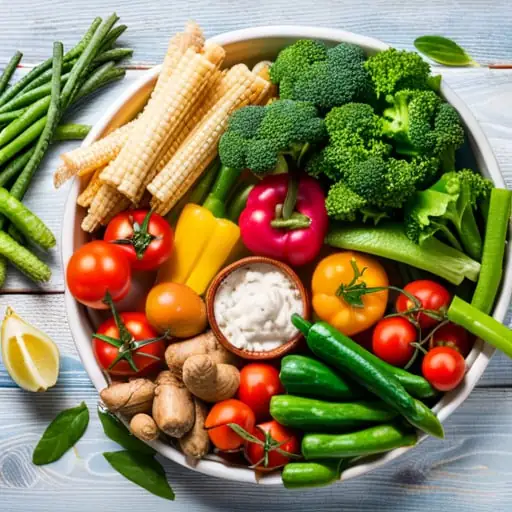
Veggies with Vitamin D: How Sun-Cured Mushrooms and Greens Fuel Immunity
When biting winter winds sweep down from the snow-covered peaks of the High Atlas, life in the mountain villages slows to the rhythm of the hearth. In places like Imlil, Azrou, and the high ridges of the Rif, you will not find rows of synthetic vitamin bottles on pantry shelves.
Yet village elders possess steady resilience. They do not spend winters bedridden with seasonal exhaustion, brittle bones, or low spirits. Their secret is rooted in centuries of solar wisdom: knowing how to preserve summer sunshine in clay jars and understanding that veggies with vitamin D synergy form the foundation of winter vitality.
Botanical plants do not manufacture vitamin D on their own. But when traditional cooks pair sun-cured wild mushrooms with magnesium-dense greens and cold-pressed ancestral fats, they create a nutritional combination that shields the body through the coldest days of the year.
How Solar Veggies and Fungi Guard Your Vitality
Vitamin D is far more than a simple bone nutrient. Modern medicine recognizes it as a master regulatory hormone that influences over two thousand human genes. When you bring sun-cured fungi and supporting vegetables to your table, they work across four critical systems:
1. Robust Immune Defense
White blood cells, especially T-cells and macrophages, have direct vitamin D receptors. When an invading pathogen appears, these immune cells require circulating vitamin D to produce cathelicidin—an antimicrobial peptide that destroys bacterial and viral membranes. Pairing sun-charged fungi with zinc-rich legumes gives your immune system the fuel to ward off seasonal chills.
2. Overcoming Deep Winter Fatigue
Low energy during dark winter months is frequently tied to deficient vitamin D levels. The hormone plays a direct role in mitochondrial energy production within muscle tissue. When vitamin D drops, cells struggle to produce ATP efficiently, leaving you feeling sluggish. Incorporating solar mushrooms and mineral greens restores cellular stamina.
3. Mood Support and Emotional Balance
Seasonal mood drops are intimately linked to reduced sunlight exposure. Vitamin D activates the gene that converts tryptophan into serotonin, the neurotransmitter responsible for calm and contentment. Nourishing your body with natural D2 from sun-cured mushrooms, paired with Mediterranean fats, supports emotional balance when gray skies linger.
4. Bone Density and Skeletal Strength
Without vitamin D, your digestive tract absorbs only 10 to 15 percent of the calcium present in meals. With optimal vitamin D, that absorption rate jumps to 30 or 40 percent. By combining calcium-dense vegetables with solar mushrooms, you protect bone density and ease stiff joints naturally.
Mountain Solariums: Solar Curing in the Rif and High Atlas
Long before scientists discovered that ultraviolet rays convert ergosterol into vitamin D2, Moroccan mountain villagers practiced solar food curing as an art of survival.
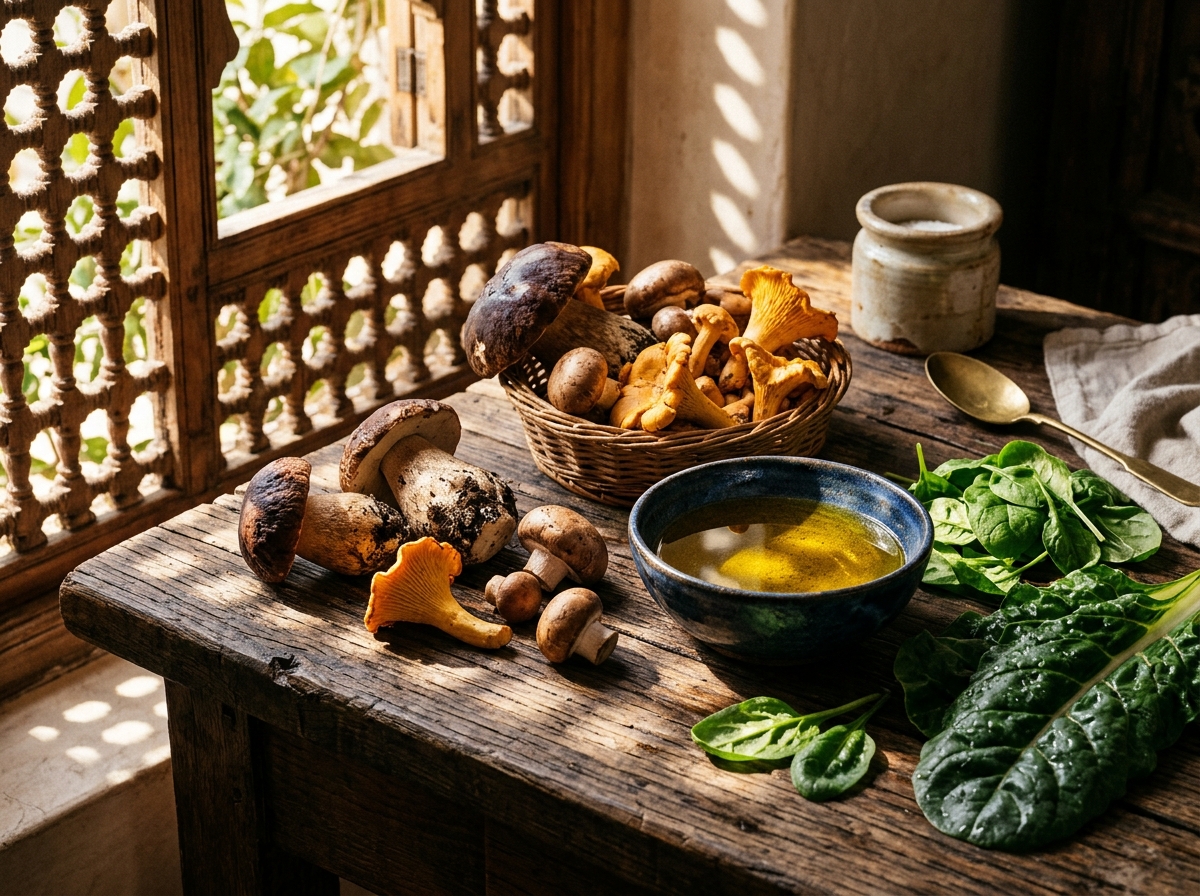
In late autumn, after rains trigger flushes of wild mushrooms through oak and cedar forests, families harvest field mushrooms, wild morels, and chantrelles. They carry their wicker baskets back to flat mud-brick rooftops that bake under high-altitude skies.
There, women spread the mushrooms across handwoven reed mats (hsira). At high elevations, the atmosphere is thin and clean, allowing intense UV-B radiation to strike the exposed mushrooms. Over several days, two things happen: moisture evaporates, locking in rich umami flavor, while ultraviolet light converts ergosterol in the mushroom skins into concentrated vitamin D2.
These sun-dried treasures are stored in terracotta jars alongside dried wild oregano (zaatar), sweet mountain figs, and sun-dried tomatoes. Throughout winter, a handful of dried mushrooms dropped into a simmering soup or tagine releases both deep flavor and stored solar vitality into the family meal.
The Healthy Fat Escort: Why Veggies Demand Traditional Lipids
One of the greatest mistakes in modern health advice is promoting steamed vegetables without added fat. Vitamin D is strictly fat-soluble. Consuming sun-charged mushrooms or mineral greens with zero dietary lipids means your intestines cannot absorb them.
In the Moroccan kitchen, vegetables never appear without traditional lipid escorts:
- Zit Zitoun (Extra Virgin Olive Oil): Cold-pressed from autumn olives in Meknes and the Souss valley. Its monounsaturated oleic acid stimulates bile production, creating the lipid micelles required to carry vitamin D across the intestinal wall.
- Amlou: A thick, golden spread ground by hand on stone querns, blending roasted almonds, wild thyme honey, and pure argan oil. The cold-pressed argan oil delivers essential fatty acids and vitamin E, while the almonds supply magnesium and calcium.
- Fresh Avocado: Grown along fertile coastal plains, providing rich plant fats and potassium to support cellular fluid balance.
When you dress warm vegetables with cold-pressed olive or argan oil, you provide the biological key that allows your cells to absorb fat-soluble vitamins.
The Healer’s Cauldron: Bissara and Vegetarian Harira
To experience the power of these nutrient partnerships, turn to the two great warming soups of the Moroccan winter: Bissara and Harira Nabatiya.
Bissara: The Peasant’s Golden Shield
In northern Morocco, winter mornings belong to Bissara. This thick soup is made from dried split fava beans (ful) or green split peas, slow-simmered with garlic cloves and water until the legumes collapse.
The soup is whipped smooth, ladled into shallow earthenware bowls, and topped with three essentials: freshly ground cumin, a pinch of cayenne, and a generous pool of newly pressed extra virgin olive oil.
Fava beans are naturally rich in magnesium, iron, folate, and zinc. When eaten alongside sun-exposed mushrooms or topped with raw olive oil, Bissara delivers the mineral cofactors needed for vitamin D activation and immune defense.
Harira Nabatiya: The Legume and Herb Fortress
The countryside version of Morocco’s famous soup—Harira Nabatiya—relies entirely on the earth’s bounty.
Soaked chickpeas and brown lentils simmer with grated sweet onions, celery stalks, and fresh vine tomatoes. The broth is seasoned with golden anti-inflammatory roots: freshly grated ginger and pure turmeric.
Near the end of cooking, chopped Swiss chard (silq), rehydrated sun-dried mushrooms, and generous bunches of fresh parsley and coriander are folded into the pot. The result is a mineral-dense broth that warms the body, aids digestion, and supplies abundant cofactors to support natural immunity.
Building Your Daily Sunshine Table
You can adapt these ancient Mediterranean practices to your daily routine:
- Morning Sustenance: Start cold mornings with a warm bowl of split-pea Bissara or oatmeal topped with almond amlou, pairing healthy fats with sustaining plant carbohydrates.
- Midday Earthiness: Sauté sliced cremini mushrooms (sun-exposed on your balcony for 30 minutes) with garlic, Swiss chard, and unheated extra virgin olive oil, scooped up with whole-wheat bread.
- Afternoon Warmth: Enjoy a hot glass of mint tea accompanied by a small handful of raw unpeeled almonds for a steady supply of calcium and magnesium.
- Evening Comfort: End the day with a bowl of vegetable Harira packed with lentils, chickpeas, and wild greens to replenish your body while you sleep.
Frequently Asked Questions
How do vegetables and mushrooms work together to support the immune system?
Sun-exposed mushrooms supply dietary vitamin D2, which activates white blood cells to fight off seasonal infections. Leafy vegetables like Swiss chard provide the magnesium required to convert that vitamin D into its active hormonal form, while legumes contribute zinc and iron for tissue repair.
Why is extra virgin olive oil necessary when eating vitamin D-rich foods?
Vitamin D is a fat-soluble nutrient that cannot dissolve in water. Without dietary fats, your digestive tract cannot form the lipid droplets (micelles) needed to transport vitamin D through the intestinal lining into the bloodstream. Cold-pressed olive oil provides the ideal healthy fat vehicle.
What is the traditional Moroccan way to combat winter fatigue and joint aches?
Moroccan cooks turn to hot bowls of legume soups like Bissara and Harira, rich in magnesium, potassium, and plant protein. They pair these soups with sun-dried forest mushrooms, plenty of raw olive oil, and warm spices like ginger and turmeric to soothe inflammation and restore energy.
Are canned mushrooms as effective as fresh, sun-exposed mushrooms for vitamin D?
Canned mushrooms generally contain minimal vitamin D because they are processed and packed in liquid away from sunlight. Fresh button, cremini, or portobello mushrooms placed in direct midday sun for 30 minutes before cooking produce significantly higher levels of active vitamin D2.
Experience the true heart of Moroccan heritage through its culinary traditions. Join us in preserving and honoring these ancestral recipes.
What People Are Saying
No comments yet. Be the first — we'd love to hear from you.
The Moroccan Food
Culturally Verified & Fact-CheckedThe Moroccan Food editorial team brings together native culinary researchers, heritage preservationists, and experienced home cooks across Marrakech, Fes, and Casablanca. Every recipe and cultural guide is reviewed against ancestral oral traditions and authentic regional practices.