Vitamin D Vegetables: Natural Plant Sources & Mediterranean Absorption Secrets
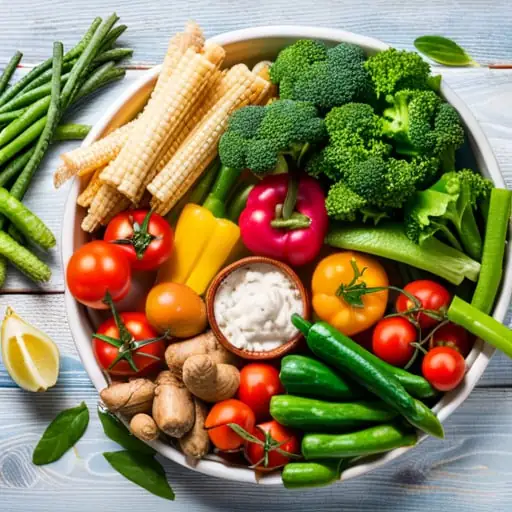
Open any modern wellness blog, and you will find lists praising “vitamin D vegetables.” Writers point toward carrots, broccoli, and zucchini as if they were brimming with the sunshine vitamin.
Ask an experienced herbalist in the ancient alleys of Fes or a grandmother in the High Atlas, and they will smile at this misunderstanding. Traditional Moroccan cooking, supported by biological science, knows the truth: standard garden plants do not produce vitamin D.
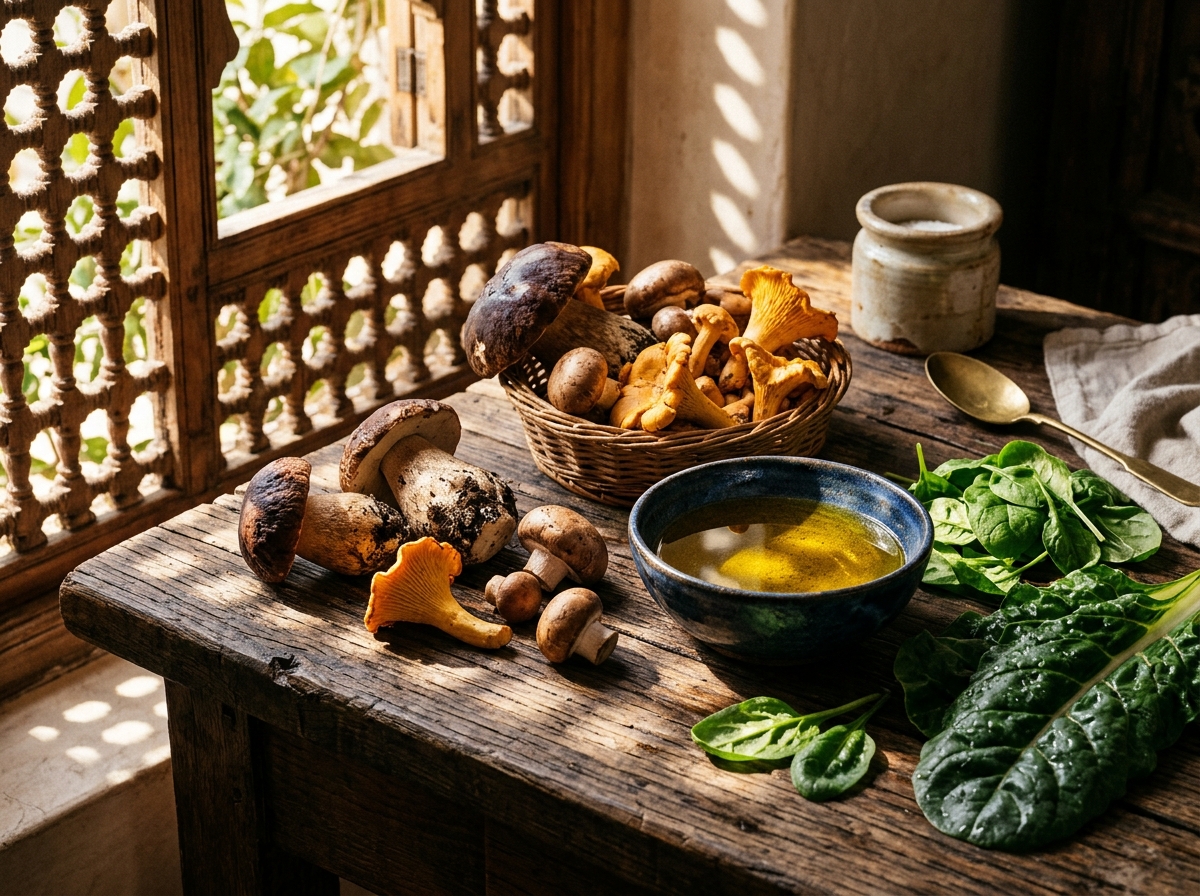
Yet Mediterranean and North African ancestors stayed vigorous through cold winter months without synthetic pills. Their strength came from understanding how nature works as a connected whole. They gathered wild forest fungi that store sunlight, paired them with dark mineral greens that supply vital cofactors, and bound everything in unrefined, cold-pressed olive oil.
The Honest Biology: Do True Vegetables Contain Vitamin D?
Strictly speaking in botanical terms, true vegetables—roots, stems, leaves, and garden fruits—contain zero measurable vitamin D.
Photosynthetic plants draw energy from sunlight, water, and soil minerals. Unlike human skin and animal tissue, plants have no biological need for cholecalciferol (vitamin D3), nor do they possess the enzymes to synthesize it. Claims that carrots, cabbage, or squash supply your daily vitamin D are simply myths.
This brings us to the fungal kingdom. While mushrooms sit beside vegetables in the kitchen basket, fungi are biologically distinct from plants. Fungi breathe oxygen, lack chlorophyll, and produce cell walls containing a unique sterol called ergosterol. And that single compound changes everything.
Fungi: Nature’s Solar Sponges for Vitamin D2
Mushrooms are nature’s only true non-animal dietary source of vitamin D. Their skins and gills carry high concentrations of ergosterol, a precursor that behaves much like 7-dehydrocholesterol in human skin.
When mushrooms grow under open skies, exposure to ultraviolet rays (specifically UV-B) converts ergosterol into ergocalciferol, known as vitamin D2. In the cedar and oak forests of Morocco’s Middle Atlas—around Azrou, Ifrane, and the Rif mountains—foragers have gathered wild morels and field mushrooms for generations.
Mountain families spread these fresh mushrooms across woven reed mats on flat rooftops under the intense North African sun. Direct solar exposure multiplies the vitamin D2 content of the mushrooms, turning simple forest fungi into concentrated reserves of sunshine for winter stews.
The 30-Minute Sunlight Method at Home
You can apply this same natural principle to ordinary button, cremini, portobello, or oyster mushrooms from your local market:
- Slice the mushrooms: Halving or slicing exposes the gills, where ergosterol is most concentrated.
- Turn gills upward: Arrange the slices on a wooden board with gills facing the sun.
- Rest in midday sun: Place the tray in direct sunlight between 10:00 AM and 2:00 PM for 25 to 40 minutes.
- Cook or dry: Even brief direct ultraviolet exposure triggers photochemical conversion, increasing vitamin D2 levels from near zero to hundreds of international units (IU) per serving.
The Magnesium Bridge: Why Dark Greens Are Essential
Eating vitamin D foods is only the first step. Swallowing a nutrient does not guarantee your tissues can use it. This is where real garden vegetables enter the equation.
When your body absorbs vitamin D, it enters the bloodstream in an inactive storage form: 25-hydroxyvitamin D. To transform this storage molecule into calcitriol—the active hormone that regulates calcium, shields bone density, and supports immune defenses—the liver and kidneys rely on specific conversion enzymes.
Every single one of these conversion enzymes requires magnesium to function. Without adequate magnesium, vitamin D remains dormant and unusable. Consuming high doses of vitamin D without magnesium can even deplete your body’s existing mineral stores, leading to muscle cramps and fatigue.
This is why dark, leafy greens are the indispensable partners to vitamin D:
- Silq (Swiss Chard): A staple of Moroccan mountain kitchens. The thick leaves and crunchy stems are packed with bioavailable magnesium, potassium, and vitamin K1.
- Sbanikh (Garden Spinach): Supplies plant iron and cellular magnesium that aid enzymatic conversion in the kidneys.
- Khoubiza (Wild Mallow): Foraged across Moroccan hillsides after winter rains, this earthy wild green is steamed with garlic, cumin, and preserved lemon to create a mineral-dense warm salad.
When Moroccan cooks simmer wild mushrooms alongside mounds of chopped silq, they follow an ancestral instinct: fungi provide the vitamin, and greens supply the mineral engine that activates it.
The Lipid Key: Why Cold-Pressed Olive Oil Is Mandatory
There is another critical piece of this nutritional puzzle: healthy fats. Vitamin D is fat-soluble, not water-soluble.
If you boil mushrooms and greens in water with no oil, the vitamin D passes through the digestive tract largely unabsorbed. For fat-soluble nutrients to cross the intestinal lining, they must dissolve into dietary lipids and mix with bile salts to form microscopic droplets called micelles.
In Morocco, cooked greens and braised vegetables are always finished with unrefined, cold-pressed extra virgin olive oil (zit zitoun), freshly pressed from groves in Meknes, Zerhoun, or the Souss valley.
The monounsaturated fats (mainly oleic acid) in virgin olive oil stimulate gallbladder bile production, creating the ideal emulsion for nutrient uptake. Cold-pressed olive oil also supplies natural polyphenols that protect delicate vitamins from heat degradation during cooking.
The Healer’s Tagine: Mushrooms, Silq, and Olive Oil
To bring these ingredients together, prepare this simple, restorative vegetable tagine:
Ingredients:
- 300g cremini or portobello mushrooms, sliced and sun-exposed for 30 minutes
- 1 large bunch of fresh Swiss chard (silq), washed and chopped coarsely
- 1 large yellow onion, sliced thin
- 3 cloves of garlic, crushed
- 4 tablespoons cold-pressed extra virgin olive oil
- 1 teaspoon ground cumin (kamoun)
- 1 teaspoon ground ginger (skinjbir)
- 1/2 teaspoon ground turmeric (kharkoum)
- 1/2 preserved lemon (lhamd mssayer), peel rinsed and sliced into strips
- Sea salt and freshly cracked black pepper to taste
Preparation:
- Warm two tablespoons of olive oil in a clay tagine or heavy skillet over low heat. Add the sliced onions and crushed garlic, cooking until soft and translucent.
- Add the sun-charged mushrooms, ginger, turmeric, and black pepper. Stir gently for two minutes to coat in fragrant oil and spices.
- Layer the chopped Swiss chard over the mushrooms. Cover with the conical lid. As the greens warm, they release their own moisture, gently braising the mushrooms without added water.
- Simmer on low heat for 15 minutes until the chard stems are tender.
- Finish by arranging preserved lemon strips across the top, dusting with cumin, and drizzling the remaining two tablespoons of raw olive oil over the warm dish right before serving.
Grandmother Rules for Plant-Based Vitamin D
- Give mushrooms sunlight: Keep fresh mushrooms on a bright windowsill, or place them in direct sun before cooking to trigger natural D2 synthesis.
- Always pair with greens: Cook mushrooms with Swiss chard or spinach so your body receives the magnesium needed to convert vitamin D into its active form.
- Never skip good oil: Always cook and dress your vegetables with unheated, cold-pressed olive oil to ensure proper intestinal absorption.
- Braise gently: Avoid boiling vegetables in large volumes of water. Slow braising in an earthenware tagine preserves both minerals and fat-soluble vitamins.
Frequently Asked Questions
Can regular garden vegetables like carrots or broccoli supply vitamin D?
No. Standard botanical vegetables contain no vitamin D. While vegetables provide essential vitamins like A, C, and K, along with crucial minerals like magnesium, only fungi (mushrooms) have the biological capacity to produce vitamin D when exposed to ultraviolet light.
How does sun exposure change the vitamin D content of store-bought mushrooms?
Commercial mushrooms are grown in dark rooms and contain very little vitamin D. However, their tissues are rich in ergosterol. Placing sliced mushrooms in direct midday sun for 30 minutes triggers natural synthesis, yielding hundreds of international units of bioavailable vitamin D2 per serving.
Why is magnesium considered a vital cofactor for vitamin D?
Vitamin D cannot function by itself. The metabolic enzymes in your liver and kidneys that transform dietary vitamin D into its active hormonal form require magnesium as a cofactor. Without magnesium from leafy greens, vitamin D remains inactive.
Does cooking destroy the vitamin D in sun-cured mushrooms?
Vitamin D is quite heat-stable, but prolonged boiling in water can leach nutrients into the liquid. Gentle braising in an earthenware tagine or light sautéing in olive oil preserves roughly 85 to 90 percent of the original vitamin D content.
Experience the true heart of Moroccan heritage through its culinary traditions. Join us in preserving and honoring these ancestral recipes.
What People Are Saying
No comments yet. Be the first — we'd love to hear from you.
The Moroccan Food
Culturally Verified & Fact-CheckedThe Moroccan Food editorial team brings together native culinary researchers, heritage preservationists, and experienced home cooks across Marrakech, Fes, and Casablanca. Every recipe and cultural guide is reviewed against ancestral oral traditions and authentic regional practices.