Can You Eat Keto in Morocco Without Betraying the Cuisine? A Serious and Honest Analysis
Keto and Moroccan Food: A Genuine Compatibility Assessment
I want to be honest with you from the beginning: this article will not tell you that keto and Moroccan cuisine are a perfect match, or that you can have everything by substituting cauliflower for couscous. You can substitute cauliflower for couscous. The result will be edible. It will not be couscous.
What I can tell you — and what I find genuinely interesting about this question — is that the core of Moroccan cuisine, stripped of its grain accompaniments, is remarkably close to a ketogenic diet structure. The bones of the tradition are already there. The adaptations required are fewer and less painful than you might expect.
What Is Already Keto-Compliant in the Moroccan Kitchen?
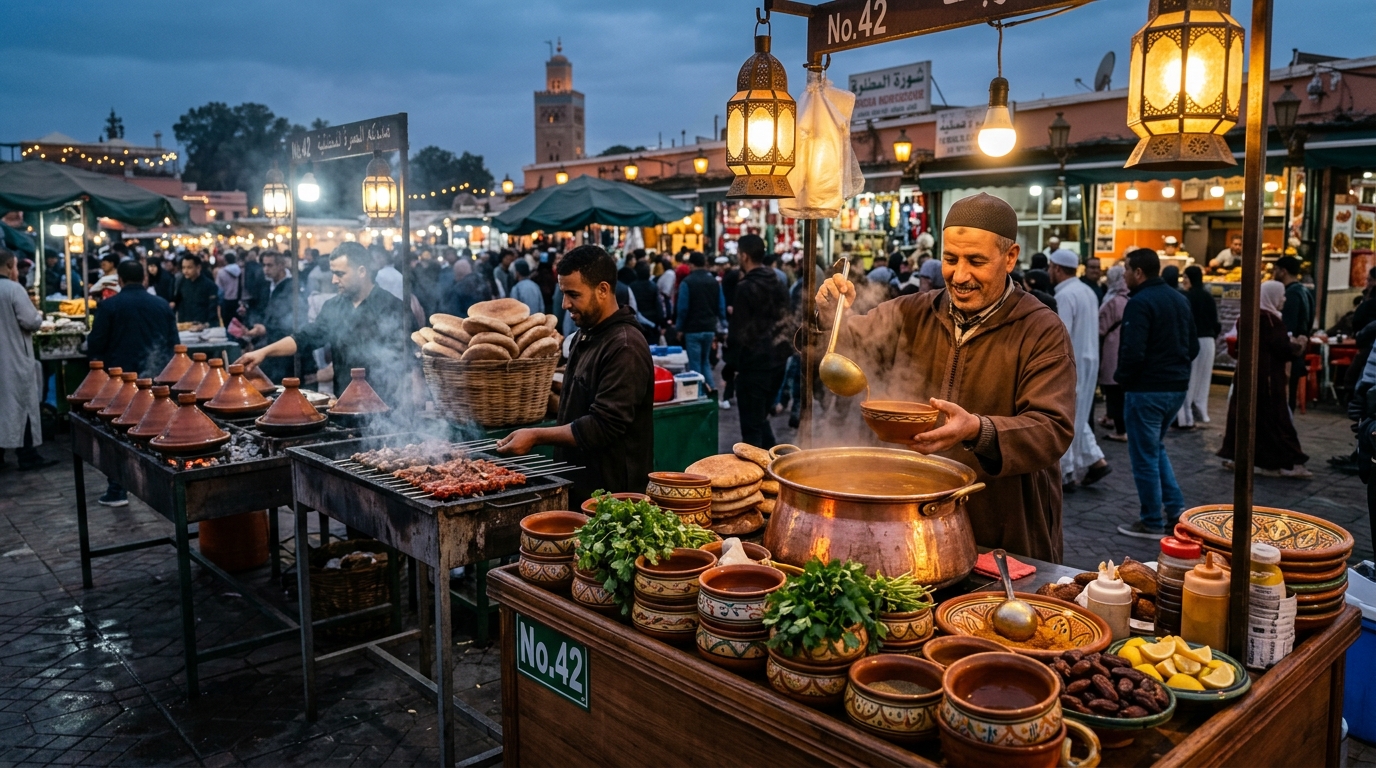
More than you'd think. The central cooking methods and primary ingredients of Moroccan cuisine — slow-cooked meat with vegetables, preserved lemon, olives, olive oil, argan oil, spices — are naturally very low in carbohydrates.
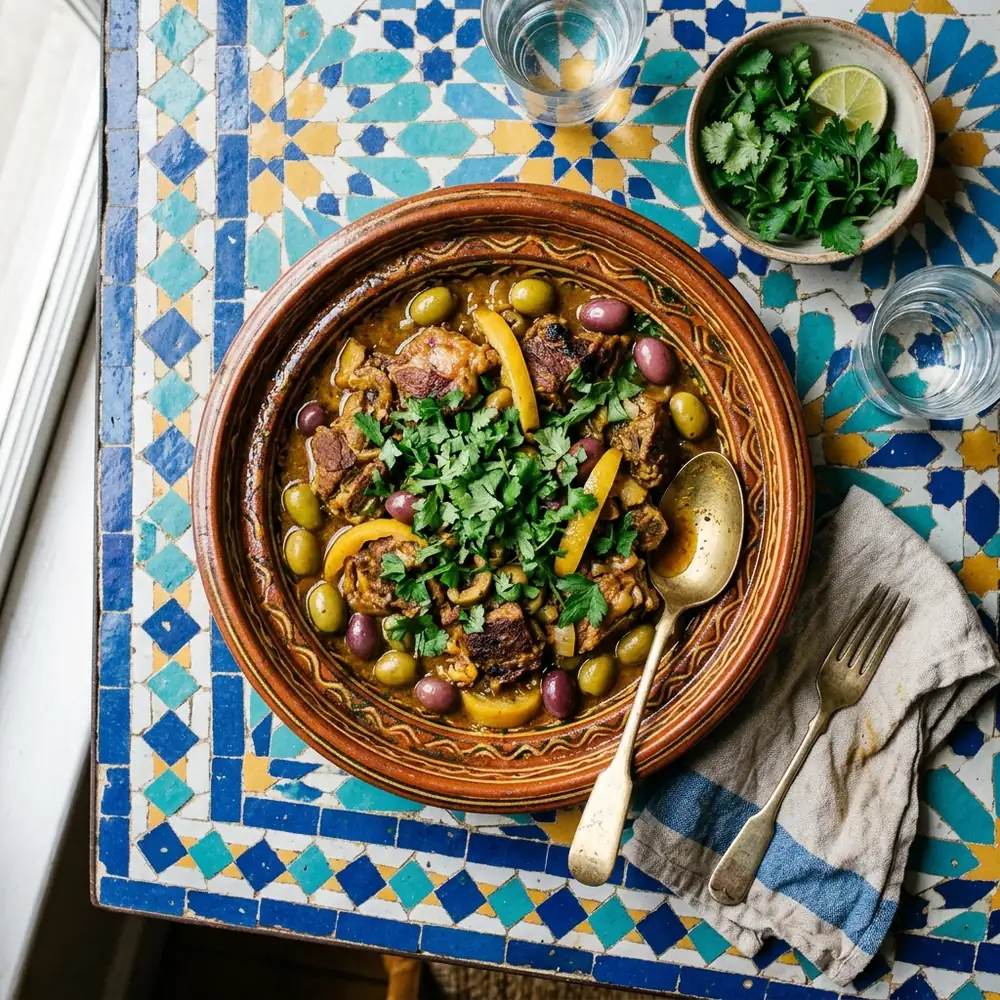
Tagines: A standard lamb and vegetable tagine, without bread or couscous, is essentially a keto meal. Meat, vegetables (onion, zucchini, carrot in moderate portions), olives, preserved lemon, oil. Macros: high fat, high protein, very low carbohydrate. The vegetables add some carbohydrate, which can be managed by portion and by selection.
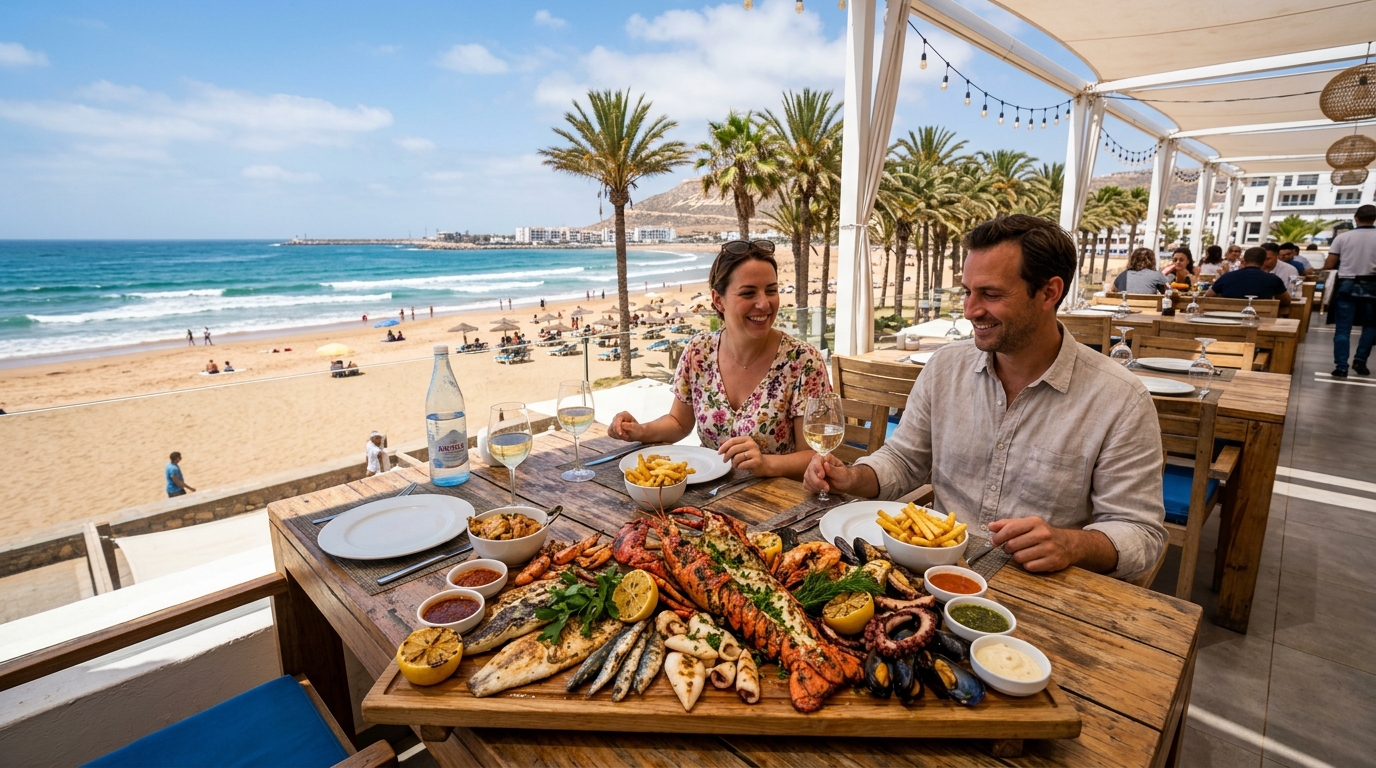
Grilled meats: Mechoui (whole roasted lamb), brochettes, grilled fish, chicken prepared in any traditional method — all naturally keto.
Zaalouk: Eggplant is moderate in carbohydrate (approximately 6g net carbs per 100g cooked); in a typical serving of Zaalouk, this remains within most keto guidelines.
Eggs in chermoula: A very standard Moroccan preparation — eggs cooked directly in chermoula sauce (tomato, herbs, spice, olive oil) — is genuinely keto and genuinely good.
Rfissa without the msemen: The spiced chicken and fenugreek broth component of Rfissa, eaten as a soup with the meat, minus the bread layer, is keto-compliant and delicious on its own terms.
The Couscous Problem
Couscous is semolina. Semolina is durum wheat. Durum wheat is dense in carbohydrates: a 100g serving of cooked couscous contains approximately 23g of net carbohydrate, which for most ketogenic protocols is at or beyond the entire daily carbohydrate allowance.
This is not a small problem because couscous is not merely an accompaniment in Moroccan cuisine. The Friday couscous — the communal meal, the social ritual, the expression of hospitality — is couscous. Serving a keto substitute in its place at a family table is a statement that goes beyond dietary preference. It is, in the social context, slightly strange.
The pragmatic solution is not substitution but occasion management. If you're eating keto during the week at home, you control what you cook. If you're at a Moroccan family table on a Friday, eat the couscous. The ketogenic diet, like any approach to food, benefits from flexibility at social occasions.
The Bread Problem
Khobz — the round wheat flatbread — is the utensil of Moroccan cuisine. It is how you eat. Refusing it is not just a dietary choice; it changes the mechanics of the meal. Some dishes — Zaalouk, Bissara, preserved lemon — are designed to be scooped, and they're best scooped.
Practical adaptation: bring or prepare a substitute scooping vehicle. In keto-adapted households, lettuce leaves work for some applications; cucumber slices for others. These are functional, if not atmospheric.
More interesting for keto: some of the Amazigh flatbreads of the south are made from chickpea flour or corn flour — still not zero-carb, but with a lower glycemic response and different carbohydrate profile than wheat. In the High Atlas, corn-flour flatbread is traditional and worth seeking.
The Sweets: A Graceful Exit
Moroccan desserts and pastries — chebakia, ghoriba, briouats with almond paste, corne de gazelle, sellou — are dense with sugar and often with wheat flour. There is no way to adapt these and maintain the character of the original.
The keto-compliant approach: eat the pastry, accept that you've left ketosis temporarily, and re-enter the next day. Or — if strict ketosis is medically necessary — decline gracefully at the dessert stage and drink the mint tea without sugar. Both are possible. Neither requires an apology.
The Actual Keto Moroccan Meal, Without Compromise
This is a real meal, not a list of substitutions:
Starter: Zaalouk dressed with argan oil, eaten with cucumber slices instead of bread.
Main: Lamb shoulder tagine with preserved lemon, olives, and onion. No couscous. The sauce is the accompaniment — thick, rich, sufficient.
Side: Small plate of olives and preserved lemon wedges.
Drink: Mint tea without sugar, or water with a squeeze of preserved lemon.
This is a Moroccan meal. It is keto. It does not apologize for being either. That's the honest answer.
Experience the true heart of Moroccan heritage through its culinary traditions. Join us in preserving and honoring these ancestral recipes.
What People Are Saying
No comments yet. Be the first — we'd love to hear from you.
Leila Cherkaoui
Culturally Verified & Fact-CheckedThe Moroccan Food editorial team brings together native culinary researchers, heritage preservationists, and experienced home cooks across Marrakech, Fes, and Casablanca. Every recipe and cultural guide is reviewed against ancestral oral traditions and authentic regional practices.